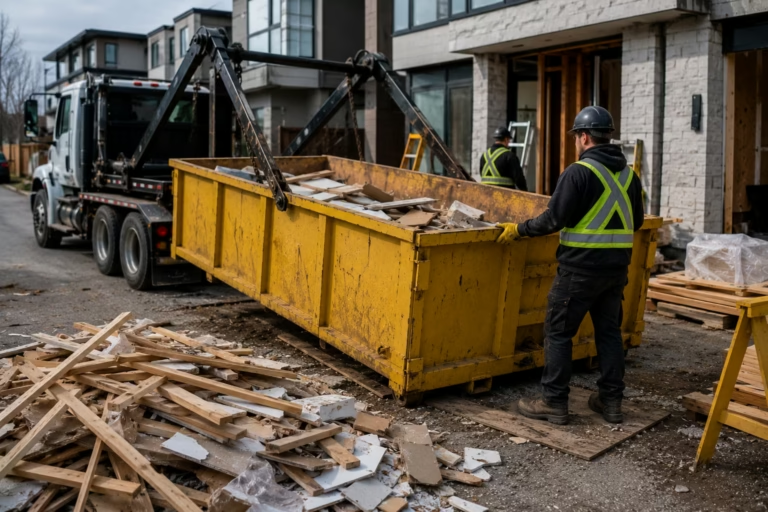
Cleaner Job Sites Without Repeated Dump Runs
Bin rental for contractors in Vancouver is often more practical than hauling debris with crew vehicles, pickup trucks, or rented trailers. Construction and renovation projects create waste quickly, and repeated dump runs can pull skilled workers away from demolition, framing, installation, finishing, and client coordination.
Self-hauling may look simple at first. A contractor loads debris into a truck, drives to a disposal facility, unloads, pays fees, and returns to the job. In reality, that cycle can consume hours, interrupt trade sequencing, increase vehicle wear, and make the site harder to manage.
Rocky Junk Removal supports contractors, renovators, builders, property managers, and commercial clients across Vancouver and the broader Lower Mainland with bin rentals, construction debris removal, commercial junk removal, and renovation waste hauling. This guide explains why bin rental for contractors in Vancouver often beats self-hauling for active job sites.
Why Contractors Compare Bin Rental With Self-Hauling
Contractors usually compare bin rental and self-hauling because debris removal affects both cost and schedule. If a project only creates a few light items, self-hauling may seem manageable. Once the job includes drywall, cabinets, wood, flooring, tile, packaging, fixtures, or mixed demolition debris, the time loss becomes more obvious.
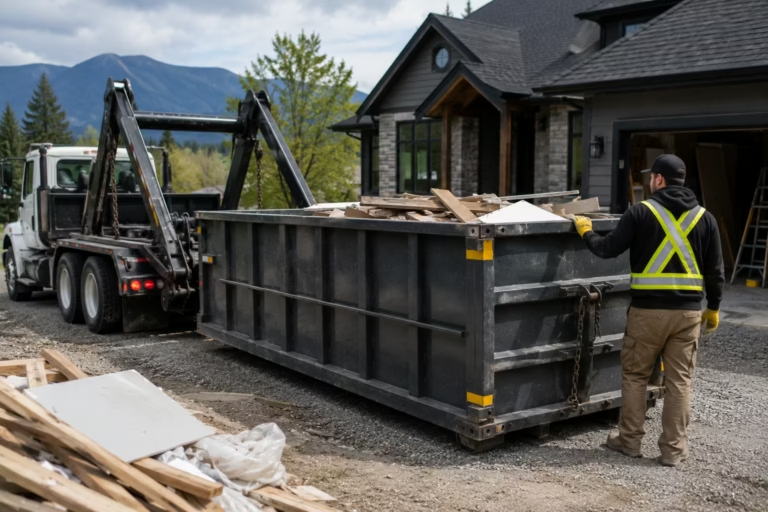
Bin rental for contractors in Vancouver gives the crew one central place to load accepted debris. Instead of stopping work to drive waste away, the crew can keep the site moving while the bin stays available throughout the project phase.
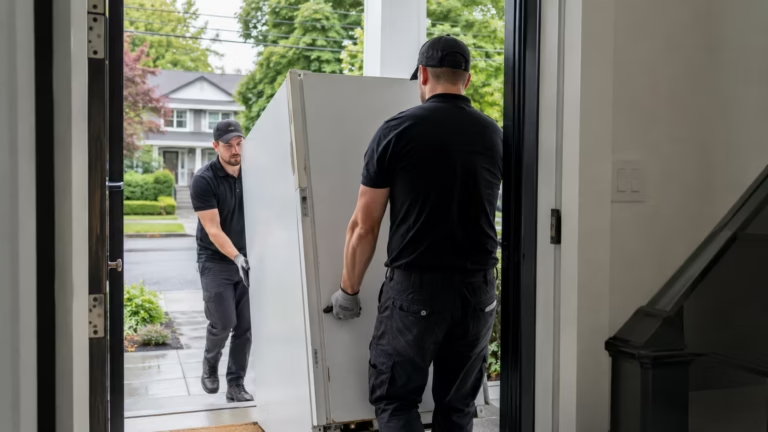
Self-hauling also changes the way labour is used. A carpenter, installer, demolition worker, or site lead may spend productive hours driving, waiting, unloading, and returning. That time can be more valuable on-site, especially when other trades depend on clear access.
For Vancouver projects, the comparison is even more important because traffic, loading access, disposal facility timing, lane restrictions, and parking pressure can make repeated hauling inefficient. A planned bin can reduce those interruptions.
8 Smart Reasons Bin Rental for Contractors in Vancouver Beats Self-Hauling
Bin rental for contractors in Vancouver is not always the only option, but it is often the cleaner operational choice for renovation, demolition, and construction projects. These eight reasons explain why contractors choose roll-off bins instead of hauling debris themselves.
1. It keeps skilled labour on the job site
Every dump run takes labour away from the project. The crew has to load the truck, secure the load, drive through traffic, wait at the facility, unload, pay, and return. Even one trip can disrupt the workday.
Bin rental for contractors in Vancouver lets skilled workers stay focused on the job. Debris can be loaded as it is produced, while carpenters, installers, demolition crews, and site supervisors continue working through the project sequence.
2. It reduces repeated loading and unloading
Self-hauling often means handling the same debris more than once. Waste may be moved from the work area to a pile, from the pile to a truck, from the truck to a facility, and sometimes again if the load needs sorting.
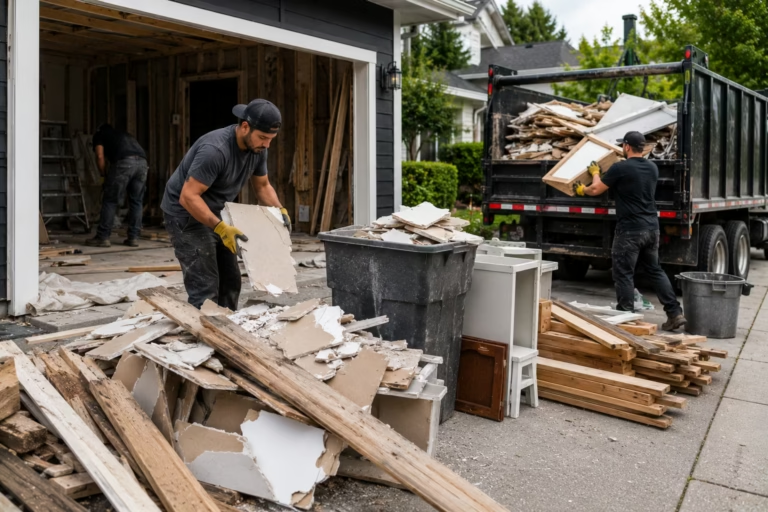
With a bin on-site, debris has a clearer destination. The crew can load accepted material directly into the container, reducing repeated lifting and helping the site stay more organized.
3. It improves job-site workflow
Construction debris can block the next phase of work if it is not managed early. Cabinets may block flooring prep. Drywall scraps may block rough-in access. Old flooring may crowd hallways. Packaging may cover staging areas.
Bin rental for contractors in Vancouver supports better sequencing. The bin can be placed before demolition starts, swapped during the project if needed, and removed before final cleanup or client walkthrough.
4. It helps control debris in tight urban conditions
Many Vancouver job sites have limited space. Contractors may be working in laneway homes, condos, older houses, commercial units, retail spaces, or tight residential streets. Loose piles of debris can create access and safety issues quickly.
A bin gives the site a controlled waste area. That matters when the project has limited parking, neighbour concerns, active trades, shared access, or short loading windows.
5. It makes disposal planning more predictable
Self-hauling can become unpredictable when the load includes mixed debris, heavy material, or facility-specific rules. Contractors may need to adjust trips based on disposal category, weight, or whether the material is accepted.
Bin rental for contractors in Vancouver allows debris planning to happen before the truck arrives. The contractor can describe the material, confirm restrictions, choose the bin size, and plan pickup timing around the job.
6. It reduces vehicle wear and cleanup
Construction debris is hard on vehicles. Broken drywall, nails, wood offcuts, tile, sharp metal, dust, and heavy materials can damage truck beds, interiors, trailers, tires, and ramps. Loads also need to be secured properly before transport.
A roll-off bin is built for waste handling. Contractors can avoid turning personal or company trucks into debris containers and reduce the cleanup required after every disposal run.
7. It supports safer material handling
Construction debris can include sharp edges, protruding nails, broken tile, glass, heavy fixtures, and dusty materials. Repeated lifting into small trucks can increase strain and raise the chance of property damage or injury.
With bin rental for contractors in Vancouver, debris can be loaded into a proper container throughout the day. Safe loading still matters, but the site has a clearer system for where approved material should go.
8. It presents a cleaner job to clients
Clients notice how a site is managed. Even when the work quality is strong, scattered debris can make the project feel disorganized. A clean site communicates professionalism.
Bin rental for contractors in Vancouver helps contractors show that cleanup is part of the project plan, not an afterthought. It keeps the site more controlled during demolition, renovation, and final cleanup.
How Bin Rental for Contractors in Vancouver Supports Project Sequencing
Project sequencing is one of the strongest reasons contractors use bins. A renovation has stages: demolition, rough-in, framing changes, drywall, flooring, millwork, finishing, cleanup, and handoff. Debris appears at several of those stages.
Bin rental for contractors in Vancouver can be scheduled around these milestones. A bin may arrive before demolition, stay through the heavy debris phase, and be removed before finish materials need clean staging space. For larger projects, a swap-out may be better than forcing one overloaded bin to handle every phase.
Self-hauling disrupts sequencing because the crew leaves the site whenever debris reaches the truck’s capacity. That can happen at the worst time, such as right before another trade arrives or when access needs to stay open for deliveries.
A planned bin gives the contractor more control. Debris removal becomes part of the site workflow instead of a recurring interruption.
What Materials Can Contractors Usually Put in a Bin?
Accepted materials depend on the bin provider, local disposal rules, and the project type. Common contractor debris may include wood, doors, trim, cabinets, flooring, packaging, cardboard, scrap metal, fixtures, and non-hazardous renovation debris.
Drywall, tile, concrete, roofing, plaster, brick, stone, and soil may require extra planning because of weight, disposal rules, or facility handling requirements. These materials should be discussed before loading so the right bin and pickup plan can be recommended.
Bin rental for contractors in Vancouver works best when the material list is clear before the bin arrives. Contractors should avoid treating all job-site debris as one generic waste stream because clean wood, scrap metal, drywall, heavy debris, and mixed junk can affect the disposal path differently.
Rocky Junk Removal provides garbage bin rental for contractor projects where accepted waste needs to stay contained on-site during renovation, cleanout, or demolition work.
What Should Contractors Keep Out of Standard Bins?
Standard bins should not be used for hazardous chemicals, asbestos, flammable products, biohazards, fuels, solvents, pesticides, or unknown dangerous materials. These items require proper assessment, handling, and disposal through the correct channels.
Older building materials need caution. WorkSafeBC’s asbestos safety information explains that anyone who repairs, renovates, or demolishes older buildings in B.C. may be at risk of asbestos exposure if materials are disturbed. Contractors should identify suspect materials before demolition or bin loading.
Bin rental for contractors in Vancouver should never replace hazardous material procedures. If the project includes older drywall compound, ceiling texture, pipe wrap, vinyl flooring, insulation, adhesives, or other suspect materials, arrange the right assessment before debris enters a standard bin.
Rocky Junk Removal does not accept hazardous chemicals, asbestos, flammable products, or biohazard materials as part of standard bin rental or hauling. This protects workers, customers, disposal facilities, and the public.
Bin Rental vs Self-Hauling: Cost Is Not Just the Disposal Fee
When contractors compare self-hauling with bin rental, the direct disposal fee is only one part of the cost. Self-hauling also includes labour time, fuel, vehicle wear, traffic delays, loading time, unloading time, and lost productivity on-site.
The City of Vancouver’s Vancouver South Transfer Station information shows that public disposal can involve material categories, tonnage rates, and transaction conditions. Contractors should consider that disposal cost is connected to material type and weight, not only how full a truck looks.
Bin rental for contractors in Vancouver can make the cleanup budget easier to plan because the contractor can discuss bin size, load type, rental period, and pickup schedule before work starts. This can help with quoting clients and reducing surprises during the project.
The right comparison is not simply “bin cost versus dump fee.” The better comparison is total project impact: labour, schedule, client experience, safety, vehicle use, and how clean the site stays.
How Contractors Should Choose a Bin Size
Choosing the right bin size starts with the project scope. A small bathroom demolition may produce dense debris. A kitchen renovation may produce bulky debris. A commercial strip-out may produce mixed debris. A full interior demolition may need staged service.
For bin rental for contractors in Vancouver, the best estimate comes from a clear material list and photos. Contractors should identify wood, drywall, flooring, cabinets, tile, concrete, metal, fixtures, cardboard, and general debris before booking.
Heavy materials should be discussed separately. A large bin is not always better if it will be loaded with tile, concrete, stone, brick, plaster, roofing, or soil. Weight limits matter for safe hauling.
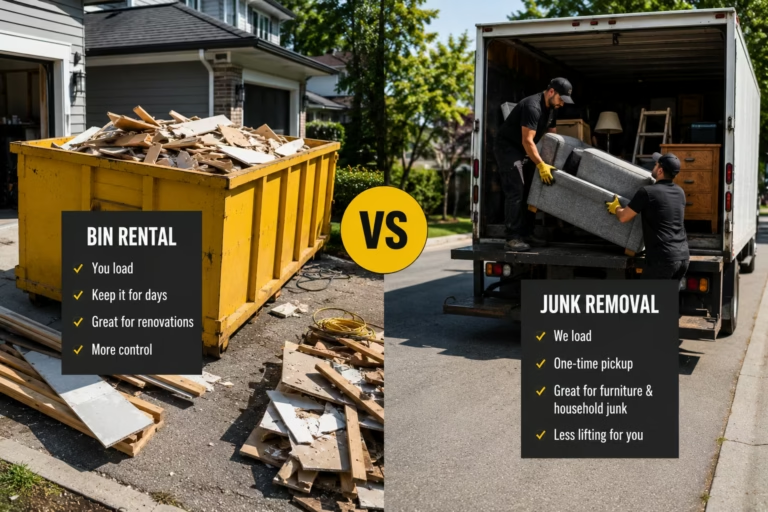
If debris will accumulate over several days, a bin that stays on-site may be the right solution. If debris is already staged and ready, crew-loaded construction debris removal may be more efficient.
When Self-Hauling May Still Make Sense
Self-hauling may still make sense for very small jobs with light debris, short disposal distance, easy loading, and no effect on the work schedule. If the crew only has a few clean items to remove, a bin may be more than the project needs.
However, once debris starts to interrupt the job, bin rental becomes more practical. Multiple trips, heavy materials, tight schedules, and mixed loads usually weaken the case for self-hauling.
Bin rental for contractors in Vancouver is most valuable when the project needs predictable cleanup support. If the job has demolition, phased renovation, commercial cleanup, or construction debris that will build over time, a bin is usually easier to manage than repeated hauling.
Contractors should make the decision based on workflow, not habit. Just because self-hauling has worked for small jobs does not mean it fits larger or more time-sensitive projects.
How Bin Rental Helps With Responsible Construction Waste Handling
Construction waste is a major disposal concern across the region. Metro Vancouver’s construction and demolition waste guidance encourages recycling and reuse planning for building materials such as wood and other construction, renovation, and demolition debris.
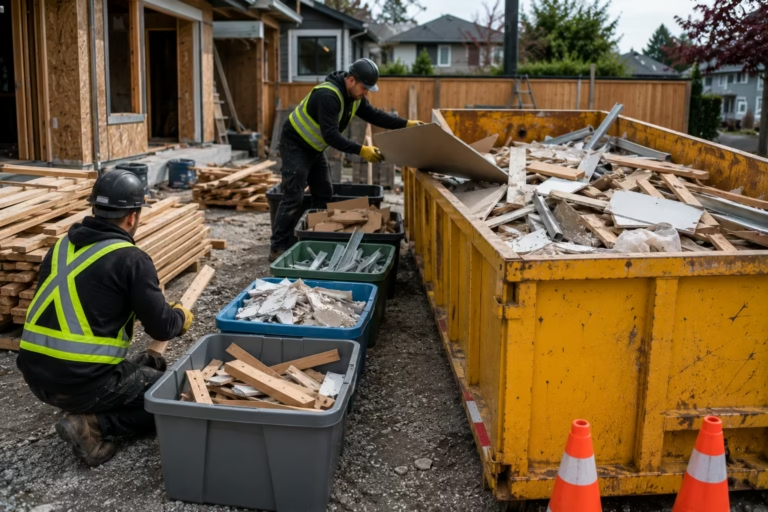
Bin rental for contractors in Vancouver can support better sorting when the project is planned well. Contractors can separate clean wood, scrap metal, cardboard, drywall, and mixed debris where practical before everything becomes one pile.
Responsible handling is easier when the bin provider understands the material before delivery. If the project includes several material streams, the contractor should ask whether one bin is appropriate or whether staged removal, separate loads, or crew-loaded hauling would be better.
Not every site has enough space for full sorting, but even basic separation can help. The goal is to avoid unnecessary contamination and improve the chance that usable or recyclable materials follow a better path.
Contractor Bin Rental Checklist
Use this checklist before booking bin rental for contractors in Vancouver:
- List the project type: renovation, demolition, tenant improvement, cleanup, or construction.
- Identify the main debris types, including wood, drywall, flooring, cabinets, tile, metal, cardboard, and fixtures.
- Separate heavy material such as concrete, brick, stone, soil, plaster, roofing, or tile.
- Check whether older building materials require asbestos or hazardous material assessment.
- Take photos of the debris, driveway, lane, loading area, and bin placement location.
- Confirm truck access, overhead clearance, slope, parking, and lane width.
- Confirm whether the bin will block trades, deliveries, neighbours, tenants, or emergency access.
- Ask what the quote includes: delivery, pickup, disposal, rental period, weight allowance, and restrictions.
- Do not place hazardous chemicals, asbestos, flammable products, or biohazards in a standard bin.
- Do not overfill the bin above the allowed line.
- Schedule pickup or swap-out before debris slows the next project phase.
- Ask whether bin rental, live loading, or crew-loaded hauling is best for the site.
Common Mistakes Contractors Should Avoid
The first mistake is waiting until debris is already everywhere. A bin should be scheduled before demolition starts, not after the site becomes cluttered. Early planning keeps the work area more controlled.
The second mistake is choosing the bin size based only on price. A smaller bin can cost more if it fills too quickly and requires another haul. A larger bin can be a problem if the site is tight or the material is too heavy.
The third mistake is underestimating access. Vancouver job sites may have narrow lanes, limited parking, shared driveways, loading-zone restrictions, overhead wires, and active neighbours. Bin rental for contractors in Vancouver should always include an access review.
The fourth mistake is using skilled workers for repeated dump runs without calculating the real cost. If the crew loses hours to hauling, the project schedule can suffer. The bin may be less expensive than the labour time being lost.
The fifth mistake is mixing restricted or suspect material into a standard bin. If material may be hazardous, asbestos-containing, flammable, chemical, or contaminated, keep it separate and follow the correct process.
Local Vancouver Site Conditions That Affect Bin Rental
Vancouver job sites often have space constraints. Detached homes may have narrow lanes. Commercial projects may have timed loading zones. Condos may require service elevator coordination. Older buildings may have limited staging areas. Busy neighbourhoods may make truck access difficult.
Bin rental for contractors in Vancouver should be planned around these local realities. A bin that works on a wide suburban driveway may not work on a tight urban street or small commercial frontage.
Contractors should provide the site address, access notes, photos, and preferred placement area before delivery. If the site has a gate, slope, lane, loading dock, strata requirement, or parking restriction, those details matter.
Rocky Junk Removal supports local projects through its bin rental Vancouver service coverage, along with broader service across Burnaby, Surrey, Richmond, Delta, Langley, Abbotsford, Maple Ridge, Chilliwack, Pitt Meadows, and nearby Lower Mainland communities.
When Contractors Should Use Crew-Loaded Removal Instead
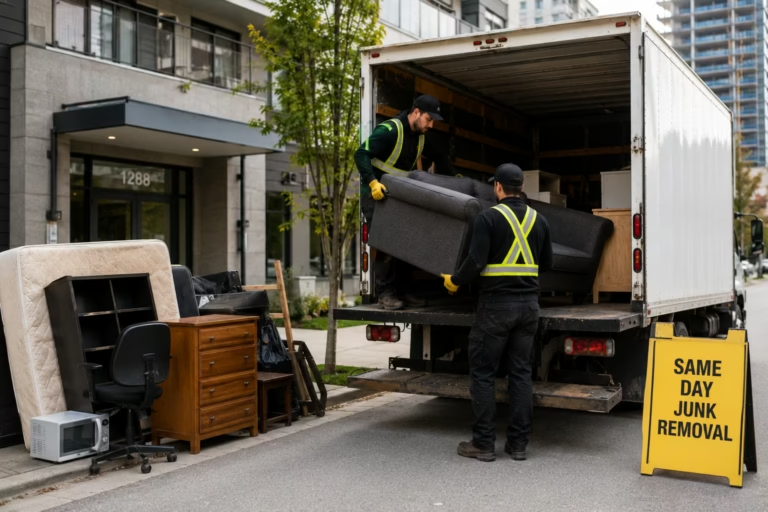
A bin is not always the best choice. If the debris is already staged and ready to go, crew-loaded hauling may be faster. If there is no safe place to leave a bin, live loading or direct debris removal may be more practical.
Bin rental for contractors in Vancouver works best when debris will be produced over time and the site can support a container. Crew-loaded removal works best when labour, speed, or limited access are the main issues.
Some contractor projects use both. A roll-off bin may handle demolition debris during the main work phase, while crew-loaded pickup clears loose debris, leftover material, and final waste before handoff.
Rocky Junk Removal’s construction debris removal services can support contractor projects where crew-loaded hauling is a better fit than leaving a bin on-site.
Book Contractor Bin Rental With Clear Project Details
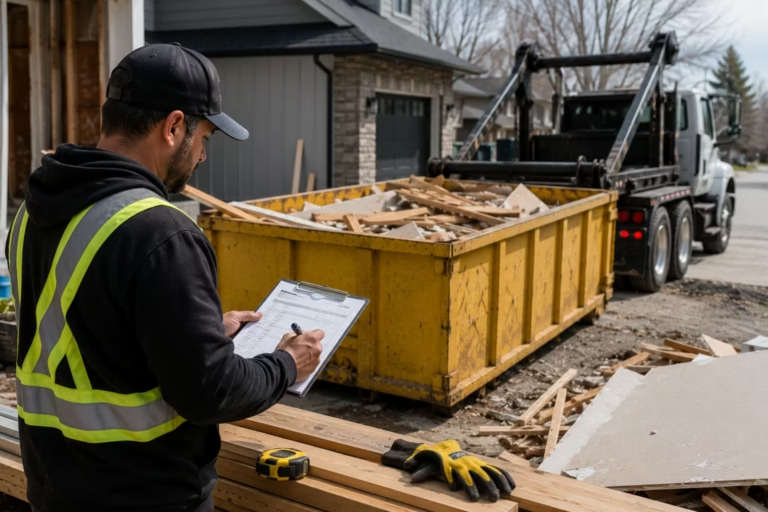
The best bin rental requests are specific. Contractors should send the project type, material list, photos, bin placement area, access notes, preferred delivery date, expected pickup date, and any special timing constraints.
For bin rental for contractors in Vancouver, mention whether the project is in a detached home, condo, townhouse, retail unit, office, warehouse, or active construction site. Each site type affects access, placement, loading, and pickup.
If the job includes heavy materials, older building materials, or restricted waste concerns, raise those details before delivery. The correct plan depends on what is being loaded and whether the material is safe for standard disposal.
To request a bin or compare bin rental with crew-loaded debris removal, send project details through the Rocky Junk Removal contact page. Clear information helps the team recommend the right bin size, delivery plan, and pickup schedule.
Bin Rental for Contractors in Vancouver: Final Takeaway
Bin rental for contractors in Vancouver often beats self-hauling because it keeps skilled labour on-site, reduces repeated dump runs, improves job-site workflow, helps control debris, protects vehicles, and supports better project sequencing. For renovation, demolition, tenant improvement, and construction projects, a bin can turn cleanup into a planned part of the job instead of a recurring interruption.
Rocky Junk Removal provides bin rental for contractors in Vancouver along with construction debris removal, commercial junk removal, renovation debris hauling, residential junk removal, and waste clearing services across the broader Lower Mainland. For contractors who want cleaner sites, fewer hauling interruptions, and more predictable debris management, bin rental for contractors in Vancouver is usually the smarter operational choice.