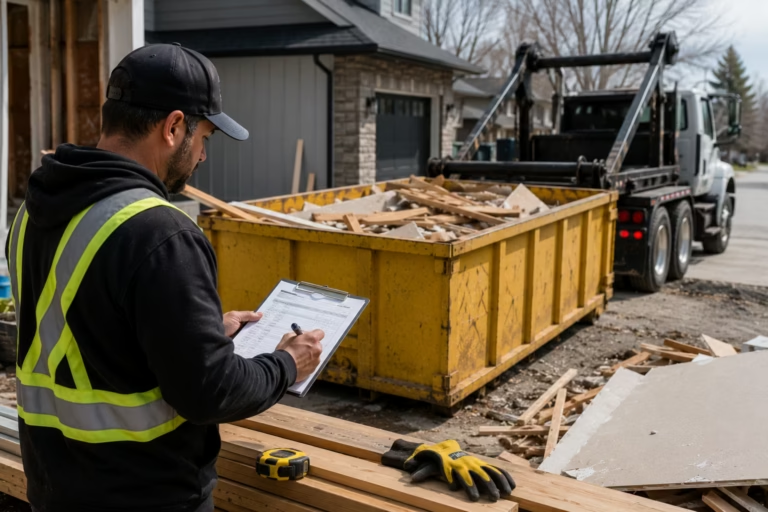
Understand the Real Price Before the Bin Arrives
Bin rental cost in Vancouver depends on more than the size of the container. A quote can be affected by delivery, pickup, rental period, debris type, material weight, disposal fees, site access, overfilling, and whether the load includes restricted or heavy materials.
For homeowners, contractors, landlords, and business owners, the real cost of bin rental in Vancouver is often tied to project details. A garage cleanout with light household junk is different from a kitchen demolition, bathroom renovation, roofing job, commercial cleanout, or contractor debris load.
Rocky Junk Removal supports bin rental, construction debris removal, renovation cleanup, residential junk removal, and commercial waste hauling across Vancouver and the Lower Mainland. This guide explains what affects bin rental cost in Vancouver so you can plan the cleanup before debris starts blocking the site.
Why Bin Rental Pricing Is Not One-Size-Fits-All
Many customers start by asking for a single number. That is understandable, but bin rental pricing is usually built around several variables. The same bin size can cost different amounts depending on what goes inside, how long the bin stays, where it is delivered, and how difficult the pickup is.
Bin rental cost in Vancouver is also affected by local disposal systems. Waste facilities may charge by weight, material category, minimum fees, transaction fees, or special handling requirements. A bin provider has to account for the full process, not just the container sitting on the driveway.
A transparent quote should explain what is included and what could change the price. Customers should know whether delivery, pickup, disposal, rental time, weight allowance, and standard materials are covered. They should also know which materials are excluded before loading starts.
The best way to control bin rental cost in Vancouver is to describe the job accurately before booking. Photos, material lists, access notes, and project timing help the provider recommend the right bin and avoid unnecessary surprises.
9 Costly Factors That Affect Bin Rental Cost in Vancouver
Every cleanup has different pricing conditions. These nine factors explain why bin rental cost in Vancouver can vary from one project to another.
1. Bin size
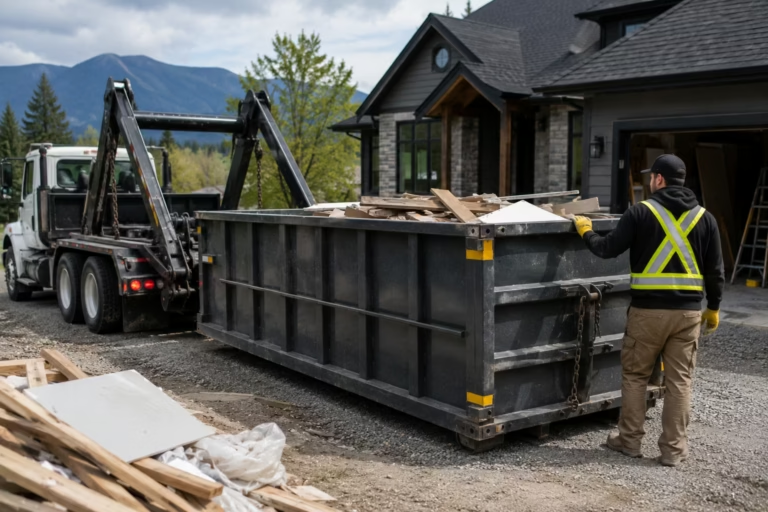
Bin size is one of the first pricing factors. Larger bins usually cost more because they require more truck capacity, more disposal capacity, and more space to place safely. However, choosing the smallest bin is not always cheaper if the project needs a second haul.
The right size depends on volume and material type. Bulky furniture, cabinets, and packaging fill space quickly. Dense materials such as tile, concrete, brick, soil, and plaster may hit weight limits before the bin looks full.
When estimating bin rental cost in Vancouver, choose the bin based on the actual project rather than guessing. A small cleanout, a full kitchen demolition, and a contractor renovation load should not be priced the same way.
2. Debris type
Debris type affects disposal, sorting, loading, and weight. Household junk, furniture, appliances, wood, drywall, flooring, cabinets, tile, concrete, roofing, cardboard, and commercial waste all have different handling considerations.
A clean load of light household items is usually easier to plan than a mixed construction load. Renovation and demolition material may need more careful sorting, especially if it includes drywall, treated wood, metal, tile, or older building materials.
Bin rental cost in Vancouver can increase when the material requires special disposal planning or when the original material description changes after the bin is delivered.
3. Weight
Weight is one of the biggest reasons bin pricing changes. A bin filled with cardboard and light junk is not the same as a bin filled with tile, concrete, brick, soil, stone, roofing, or plaster. Two bins can look equally full but weigh very different amounts.
Heavy material affects safe hauling and disposal fees. A larger bin is not always the right choice for dense debris because the truck still has weight limits. In some cases, a smaller bin or staged pickup is safer.
Customers should always mention heavy materials before booking. This helps keep bin rental cost in Vancouver more predictable and reduces the chance of pickup delays.
4. Rental period
The rental period affects pricing because the bin is assigned to one project for a set amount of time. A one-day or short-term rental may be priced differently than a longer placement for a staged renovation.
Longer rental periods can be useful when debris is created slowly. A homeowner may need several days to clear a garage. A contractor may need a bin through demolition and rough cleanup. A property manager may need time to coordinate several units.
To manage bin rental cost in Vancouver, match the rental period to the actual project schedule. Keeping a bin longer than needed can add cost, but removing it too early can lead to additional hauling or loose debris piling up again.
5. Delivery and pickup access
Access matters. A bin truck needs enough room to enter, place the bin, and return for pickup. Narrow lanes, low branches, steep driveways, parked vehicles, overhead wires, tight turns, shared access, strata rules, and loading zone restrictions can affect the job.
Easy driveway placement is usually simpler than a tight downtown loading area or a property with limited truck clearance. If access is difficult, extra coordination may be needed.
Bin rental cost in Vancouver is easier to control when the provider knows the access conditions before arrival. Photos of the driveway, lane, loading area, or placement location can prevent avoidable delays.
6. Disposal and tipping fees
Local disposal fees affect the final cost because waste still has to go somewhere after pickup. Disposal facilities may charge by weight, material type, transaction, minimum fee, or special category.
Metro Vancouver publishes solid waste tipping fee information, including garbage and construction-related material categories. The City of Vancouver also publishes landfill disposal fee information for accepted materials and rate categories.
This is why bin rental cost in Vancouver cannot be judged only by the visible container. The quote must account for hauling, facility acceptance, material type, and the cost of proper disposal.
7. Overfilling the bin
Overfilling can create extra cost and safety problems. Material should not extend above the allowed fill line or hang over the sides. Overfilled bins may be unsafe to haul and may need to be adjusted before pickup.
Overfilling often happens when the bin is too small or when bulky material is loaded inefficiently. Cabinets, furniture, drywall, and wood can create air gaps if they are not placed carefully.
Choosing the right size from the start helps manage bin rental cost in Vancouver. It is usually better to plan a realistic container than to force too much debris into a small bin.
8. Restricted or hazardous materials
Standard bin rental does not include hazardous chemicals, asbestos, flammable products, biohazards, fuels, solvents, pesticides, or unknown dangerous materials. These materials require proper assessment and specialized handling.
Older renovation material can also create risk. WorkSafeBC’s asbestos safety information warns that people who repair, renovate, or demolish older buildings in B.C. can be exposed to asbestos fibres if suspect materials are disturbed.
Restricted materials can affect bin rental cost in Vancouver by changing what can be accepted. Rocky Junk Removal does not accept hazardous chemicals, asbestos, flammable products, or biohazard materials in standard bins or junk removal loads.
9. Sorting, recycling, and material recovery
Sorting can affect the cleanup plan. Clean wood, scrap metal, cardboard, reusable items, and certain construction materials may have different handling paths than mixed garbage. Separating materials before loading can improve disposal options.
Metro Vancouver’s construction and demolition waste guidance explains that construction, renovation, and demolition materials are a major regional waste stream and encourages recycling and reuse planning.
Sorting may not always lower the price directly, but it can reduce confusion, improve load quality, and support responsible handling. It is part of understanding the real bin rental cost in Vancouver, especially for renovation and contractor projects.
How Much Does Bin Rental Cost in Vancouver?
The exact bin rental cost in Vancouver depends on the bin size, waste type, rental period, delivery location, pickup access, disposal fees, and material weight. There is no single accurate price without knowing what is going into the bin and where the bin will be placed.
As a general rule, lighter and cleaner loads are easier to quote. Heavy, mixed, restricted, or uncertain loads need more review. A provider may need to know whether the job includes household junk, renovation debris, drywall, flooring, tile, concrete, wood, furniture, appliances, commercial fixtures, or construction waste.
The most accurate way to estimate bin rental cost in Vancouver is to send photos, list the materials, describe the project, and confirm the placement area. This gives the provider enough information to recommend the right bin and explain what is included.
Customers should be cautious with vague prices that do not mention disposal, weight, rental time, excluded materials, or overfill rules. A clear quote is more useful than a low number that changes after pickup.
Flat Rate vs Weight-Based Pricing
Some bin rentals are quoted as a flat rate for an approved service package. Others may include weight-based pricing or a weight allowance. Both models can be fair when explained clearly.
A flat rate can make bin rental cost in Vancouver easier to plan because the customer knows the expected price upfront. However, the flat rate usually still has limits around material type, rental period, fill height, restricted items, and weight.
Weight-based pricing can be more accurate for heavy or uncertain loads. If a bin contains concrete, tile, brick, soil, plaster, or dense demolition debris, the final cost may need to reflect the actual weight.
The best pricing model depends on the project. Ask whether the quote is flat rate, weight-based, or flat rate with a weight allowance. Also ask what happens if the load changes.
How Renovation Debris Affects Bin Rental Cost
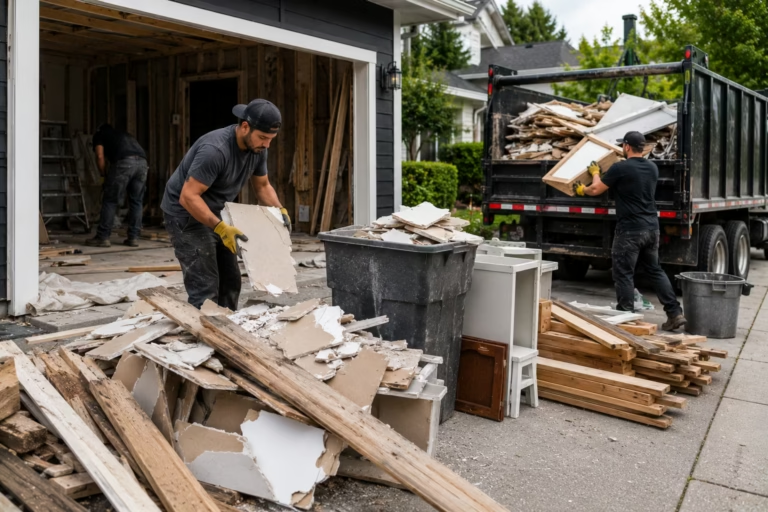
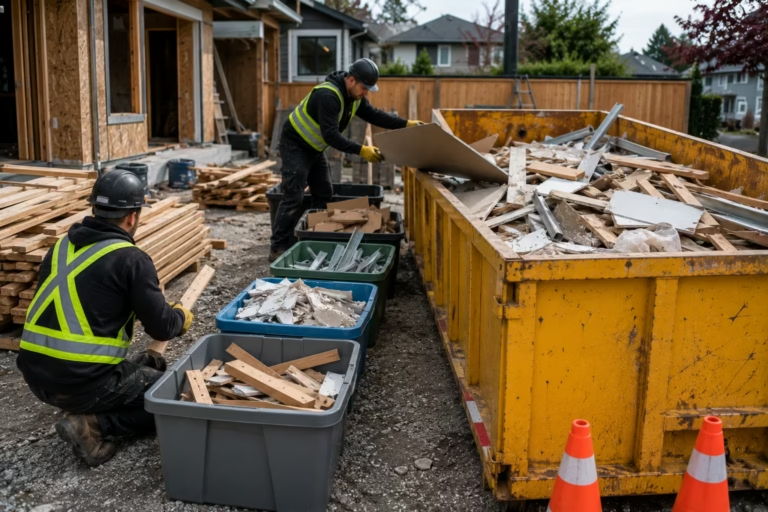
Renovation debris can affect bin pricing because it often includes mixed materials. A kitchen renovation may include cabinets, countertops, flooring, backsplash, drywall, packaging, and appliances. A bathroom renovation may include tile, mortar, drywall, vanities, fixtures, and plumbing-related debris.
Bin rental cost in Vancouver for renovation projects depends on whether the load is bulky, heavy, clean, mixed, or restricted. Cabinets and wood fill space. Tile and mortar add weight. Drywall may require special attention depending on age and condition.
For accepted non-hazardous renovation debris, Rocky Junk Removal provides renovation debris removal and garbage bin rental options. The right service depends on whether the debris will build over time or is already staged for pickup.
If the renovation involves an older property, identify possible asbestos-risk materials before demolition. Do not place suspect materials into a standard bin.
How Construction Projects Affect Bin Rental Cost
Construction and contractor projects often need more detailed planning because the debris can be generated in phases. Demolition, rough-in, framing changes, drywall, flooring, and final cleanup may each create different waste streams.
Bin rental cost in Vancouver for contractor work may depend on bin size, swap-out needs, access, load weight, and whether the job requires staged service. A single bin may be enough for a small renovation, while a larger or phased project may need multiple pickups.
Contractors should identify wood, drywall, metal, flooring, tile, concrete, packaging, and general debris before booking. This helps the provider recommend a better bin size and loading plan.
Rocky Junk Removal provides construction debris removal services for accepted construction and renovation materials when crew-loaded hauling is a better fit than keeping a bin on-site.
How Household Cleanouts Affect Bin Rental Cost
Household cleanouts can be easier to quote when the material is mostly light and bulky. Furniture, boxes, old household items, garage clutter, shelving, toys, small appliances, and general junk often fill space before they create major weight concerns.
Bin rental cost in Vancouver for household cleanouts may depend more on bin size and rental period than heavy disposal weight. However, mattresses, appliances, electronics, and special items may need separate planning.
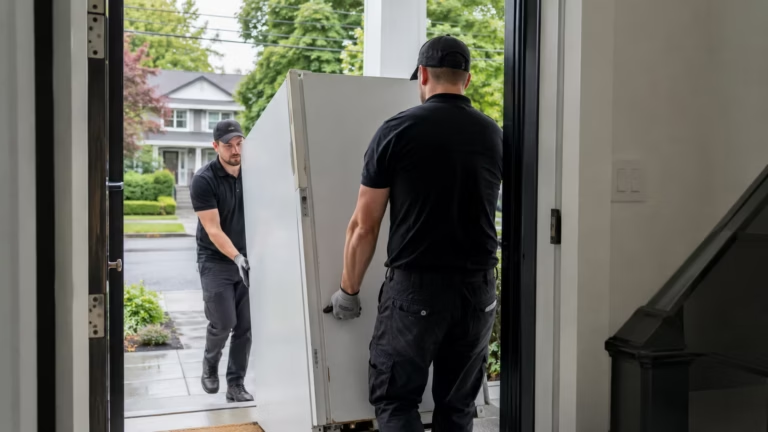
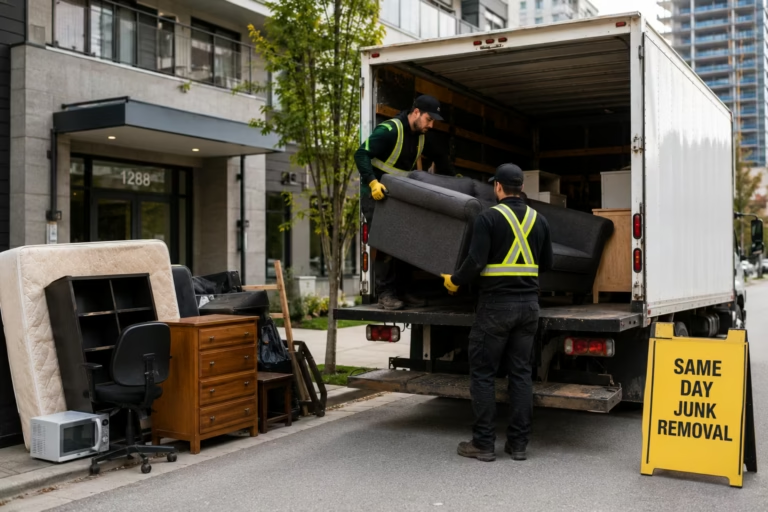
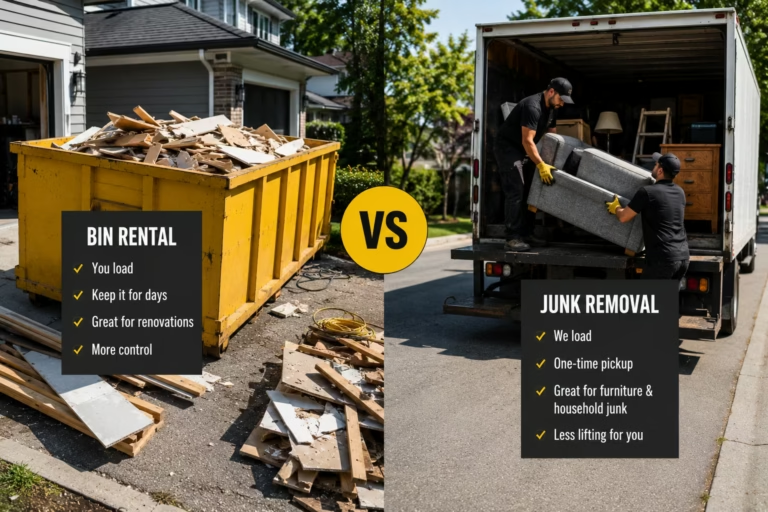
Some household cleanouts are better handled by full-service junk removal instead of bin rental. If the customer does not want to load the bin, or if the items are already ready to go, a crew-loaded service may be more efficient.
Rocky Junk Removal’s residential junk removal service can help with furniture, appliances, estate cleanouts, garage clutter, and other accepted household items.
How Commercial Cleanouts Affect Bin Rental Cost
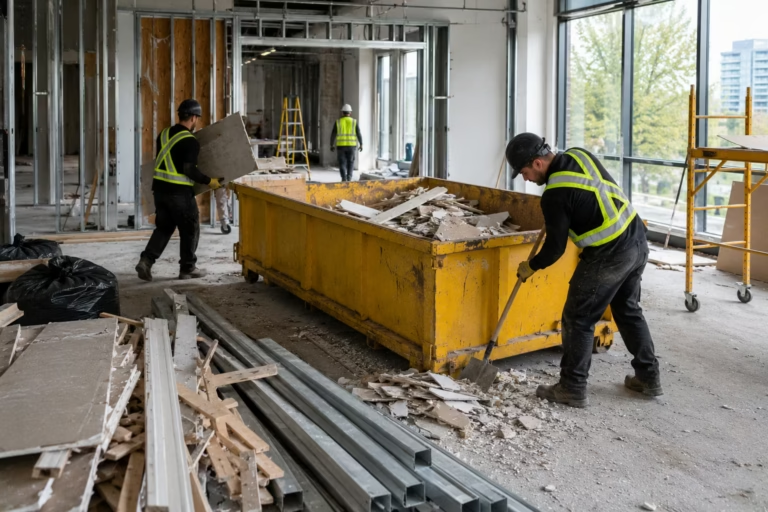
Commercial cleanouts can include office furniture, shelving, fixtures, pallets, packaging, old displays, filing cabinets, storage room contents, and non-hazardous renovation debris. These jobs often need timing coordination as much as disposal planning.
Bin rental cost in Vancouver for commercial properties may be affected by loading dock rules, business hours, parking, access, security, and whether the bin can remain on-site. Some commercial sites cannot keep a bin outside for long, which may make live loading or crew-loaded removal more practical.
Commercial clients should separate active inventory, landlord fixtures, documents, electronics, and items that should not be removed. Clear staging prevents mistakes and makes pricing more accurate.
For offices, retail spaces, warehouses, and tenant improvements, Rocky Junk Removal’s commercial junk removal service may be a better option when labour and timing matter more than having a bin on-site.
How to Get a More Accurate Bin Rental Quote
The fastest way to get an accurate quote is to provide specific information. A vague request such as “I need a bin” leaves too many unknowns. A clear request helps estimate bin rental cost in Vancouver with fewer assumptions.
Send the project address or neighbourhood, bin placement location, item or debris list, estimated volume, photos, material type, heavy material details, preferred delivery date, expected pickup date, and any access restrictions.
Photos are especially useful. Include the debris pile, work area, driveway, lane, parking area, loading dock, overhead clearance, and any tight turns. If the debris is still inside the home or job site, photos of the rooms can still help.
The more accurate the information, the easier it is to recommend the right bin size, pricing model, rental period, and disposal plan.
Bin Rental Cost Checklist
Use this checklist before asking for a quote on bin rental cost in Vancouver:
- Identify the project type: renovation, construction, cleanout, commercial cleanup, or property management work.
- List the main materials going into the bin.
- Separate heavy materials such as tile, concrete, soil, brick, stone, roofing, or plaster.
- Take photos of the debris and bin placement area.
- Confirm the driveway, lane, loading area, or job site has enough truck access.
- Ask whether the quote includes delivery, pickup, disposal, and rental period.
- Ask whether there is a weight allowance or weight-based pricing.
- Confirm what happens if the bin is overfilled.
- Keep hazardous chemicals, asbestos, flammable products, and biohazards out of the bin.
- Ask whether drywall, concrete, tile, soil, roofing, or appliances require separate planning.
- Decide whether bin rental, live loading, or crew-loaded junk removal is the better service.
- Request the quote details in writing before the bin arrives.
Common Pricing Mistakes to Avoid
The first mistake is comparing prices without comparing what is included. One quote may include delivery, pickup, disposal, and a defined rental period. Another may list only the base bin fee. Always ask what is covered.
The second mistake is ignoring weight. Heavy debris can change bin rental cost in Vancouver quickly. If the job includes tile, concrete, brick, soil, stone, plaster, or roofing, mention it before booking.
The third mistake is choosing the wrong bin size. A small bin may require another haul. A large bin may not fit the site or may be unsafe for heavy materials. The best bin is the one that matches the job.
The fourth mistake is loading restricted materials. Hazardous chemicals, asbestos, flammable products, and biohazards do not belong in standard bins. Putting them in a bin can create safety and disposal problems.
The fifth mistake is not planning access. If the truck cannot place or retrieve the bin safely, the project may be delayed and the cleanup may become more expensive than expected.
Can You Lower Bin Rental Cost Without Cutting Corners?
You can often manage bin rental cost in Vancouver by preparing the job properly. Choose the right bin size, describe the materials accurately, avoid overfilling, separate heavy or special materials, and keep restricted items out of the load.
Sorting can also help. Keeping clean wood, scrap metal, cardboard, and reusable items separate may improve handling options. Removing donation-suitable items before loading can reduce unnecessary disposal where practical.
Another way to control cost is to match the service to the job. If the debris will build over several days, a bin may be efficient. If the material is already staged and ready to go, crew-loaded junk removal may be better than paying for a bin to sit on-site.
Cost control should not mean unsafe loading or improper disposal. The objective is to plan better, not to hide material types, overload the bin, or mix in restricted waste.
Local Vancouver Factors That Can Affect the Price
Vancouver properties often have access constraints. Narrow lanes, tight driveways, steep slopes, permit concerns, street parking, strata rules, loading docks, and commercial service windows can affect bin placement.
Bin rental cost in Vancouver may be easier to manage on a property with simple driveway access. It may need more coordination on a downtown site, condo property, retail frontage, or active construction site with limited staging space.
Neighbourhood context also matters. A bin near a busy street or lane may need careful timing. A property with limited parking may require extra planning. A strata or commercial property may need approval before a container can be placed.
Rocky Junk Removal provides local bin rental and waste removal support across Vancouver, Burnaby, Surrey, Richmond, Delta, Langley, Abbotsford, Maple Ridge, Chilliwack, Pitt Meadows, and surrounding communities through its service area coverage.
Ask These Questions Before Booking
Before confirming a bin, ask direct questions. Clear answers make bin rental cost in Vancouver easier to understand and help avoid hidden assumptions.
- What bin size do you recommend for this project?
- What materials are included in the quote?
- Does the price include delivery and pickup?
- Does the price include disposal?
- How long can I keep the bin?
- Is there a weight allowance?
- What happens if the bin is too heavy?
- What happens if the bin is overfilled?
- Which materials are not accepted?
- Can this bin take drywall, tile, concrete, roofing, soil, or appliances?
- Would live loading or junk removal be more cost-effective for this job?
- Do you need photos before confirming the quote?
Book With Clear Pricing and a Clean Plan
The real bin rental cost in Vancouver is not only the advertised bin price. It is the full cost of delivering the bin, placing it safely, accepting the right materials, hauling the load, paying disposal fees, managing weight, and keeping the project moving.
Rocky Junk Removal can help customers choose the right bin size, compare bin rental with junk removal, and plan debris handling for residential, commercial, renovation, and construction projects. A better quote starts with better information.
To request pricing, send the project location, debris list, photos, access notes, preferred delivery date, and expected pickup timing through the Rocky Junk Removal contact page. Clear details help the team estimate bin rental cost in Vancouver more accurately before the bin arrives.
Bin Rental Cost in Vancouver: Final Takeaway
Bin rental cost in Vancouver is affected by bin size, debris type, material weight, rental period, access, disposal fees, sorting needs, overfilling, and restricted materials. The cheapest quote is not always the best quote if it does not explain what is included or what can change the final price.
Rocky Junk Removal supports bin rental, construction debris removal, renovation debris hauling, residential junk removal, and commercial cleanouts across Vancouver and the broader Lower Mainland. If you want a clearer estimate, start with photos, material details, access notes, and project timing so the bin rental cost in Vancouver reflects the real cleanup conditions.