Plan the Bin Before the Cleanup Starts
Bin rental in the Fraser Valley is a practical option when a renovation, cleanout, construction project, commercial cleanup, or property management job creates more debris than regular waste collection can handle. A roll-off bin gives the project one controlled place for accepted material instead of letting junk pile up in a driveway, garage, yard, lane, or job site.
The Fraser Valley includes a wide range of properties and cleanup conditions. A detached home in Abbotsford, a construction site in Chilliwack, a rental turnover in Mission, a farm property near Agassiz, or a commercial cleanup near Langley can all need different bin sizes, access planning, and material handling.
Rocky Junk Removal supports homeowners, contractors, landlords, property managers, and businesses with bin rental, junk removal, construction debris hauling, and renovation cleanup across the Lower Mainland and Fraser Valley service areas. This complete guide explains how to plan bin rental in the Fraser Valley so the cleanup is safer, cleaner, and easier to manage.
What Is Bin Rental in the Fraser Valley?
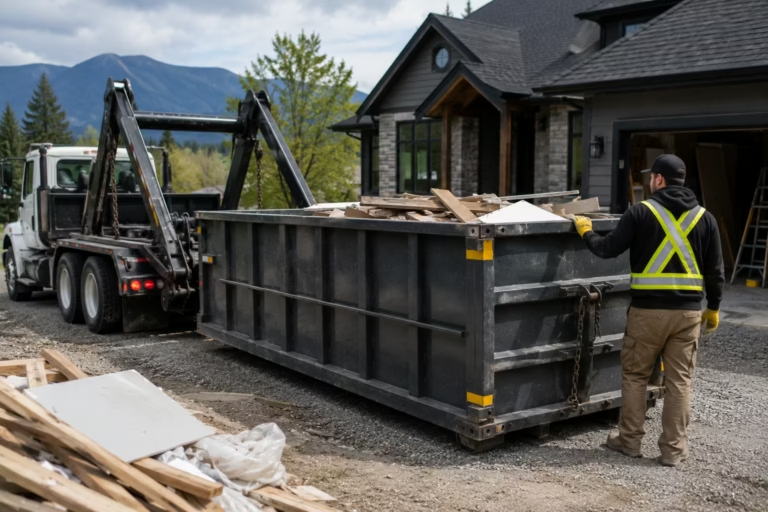
Bin rental in the Fraser Valley usually means a roll-off waste container is delivered to your property or job site, left for an agreed rental period, then picked up when it is full or the project is finished. The customer, contractor, or project crew loads approved debris into the bin while the work continues.
This type of service is useful when waste appears over time. Renovations, garage cleanouts, basement cleanouts, roofing preparation, construction jobs, landscaping projects, estate cleanouts, and commercial cleanups can all produce debris in stages.
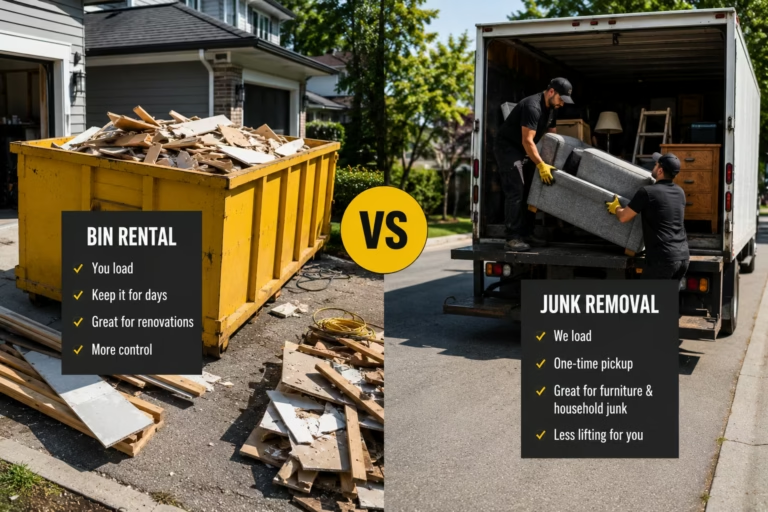
A bin is different from crew-loaded junk removal. With junk removal, a team arrives, loads the items, and hauls them away during the visit. With bin rental, the container stays on-site so the customer can load at their own pace.
Bin rental in the Fraser Valley works best when the site has safe placement space, the debris is accepted, and the loading process is planned before the bin arrives.
12 Essential Tips for Bin Rental in the Fraser Valley
Every cleanup is different, but the same planning principles apply. These twelve tips can help homeowners, contractors, property managers, and businesses get better results from bin rental in the Fraser Valley.
1. Choose the bin based on material type
Do not choose a bin based only on room count or project size. A bathroom demolition may create less volume than a garage cleanout but much heavier debris if it includes tile, mortar, plaster, fixtures, and drywall.
Before booking bin rental in the Fraser Valley, list the main debris types. Common materials include wood, cabinets, flooring, drywall, cardboard, furniture, household junk, scrap metal, concrete, tile, soil, and commercial waste.
2. Separate bulky debris from heavy debris
Bulky debris fills space. Heavy debris adds weight. A bin full of old furniture, cardboard, and wood is different from a bin full of concrete, brick, tile, stone, or soil.
Heavy materials can reach safe hauling limits before the bin looks full. If your project includes dense material, tell the provider before delivery. Bin rental in the Fraser Valley is easier to quote and schedule when weight concerns are known early.
3. Plan bin placement before delivery
A roll-off truck needs enough room to place and retrieve the bin safely. Driveways are often the simplest option, but not every driveway is suitable. Slopes, soft ground, overhead wires, trees, parked vehicles, gates, narrow lanes, and shared access can all affect placement.
Take photos of the placement area before booking. Good access information helps prevent delivery delays and makes bin rental in the Fraser Valley more predictable.
4. Keep the loading path clear
The bin should be close enough to the work area to reduce carrying distance, but not so close that it blocks trades, tenants, neighbours, deliveries, garage access, or emergency routes.
For renovation projects, think about how debris will move from the room to the bin. For commercial projects, think about loading docks, staff entrances, customer areas, and delivery windows.
5. Do not overfill the bin
Material should not rise above the allowed fill line or hang over the sides. Overfilled bins may be unsafe to haul and may require adjustment before pickup.
Overfilling usually happens when the bin is too small, when bulky material is loaded inefficiently, or when the project produces more waste than expected. Choosing the right size helps keep bin rental in the Fraser Valley safer and cleaner.
6. Keep restricted materials out
Standard bins should not be used for hazardous chemicals, asbestos, flammable products, biohazards, fuels, solvents, pesticides, unknown liquids, or dangerous materials. These items need proper handling through the correct channels.
Rocky Junk Removal does not accept hazardous chemicals, asbestos, flammable products, or biohazard materials as part of standard bin rental or junk removal. If something is chemical, flammable, contaminated, leaking, or unknown, keep it out of the bin and ask first.
7. Watch for older building materials
Older homes and buildings can contain materials that should not be disturbed without assessment. Drywall compound, ceiling texture, vinyl flooring, pipe wrap, insulation, adhesives, siding, and other materials may raise asbestos concerns depending on age and condition.
WorkSafeBC provides guidance on restoration, renovation, and demolition work, including asbestos abatement requirements. Safety planning should come before loading suspect material into a bin.
8. Understand local sorting expectations
Waste sorting matters in the Fraser Valley. The Fraser Valley Regional District explains that its waste sorting bylaw requires recyclable and compostable materials to be sorted out of garbage in several Fraser Valley communities and electoral areas.
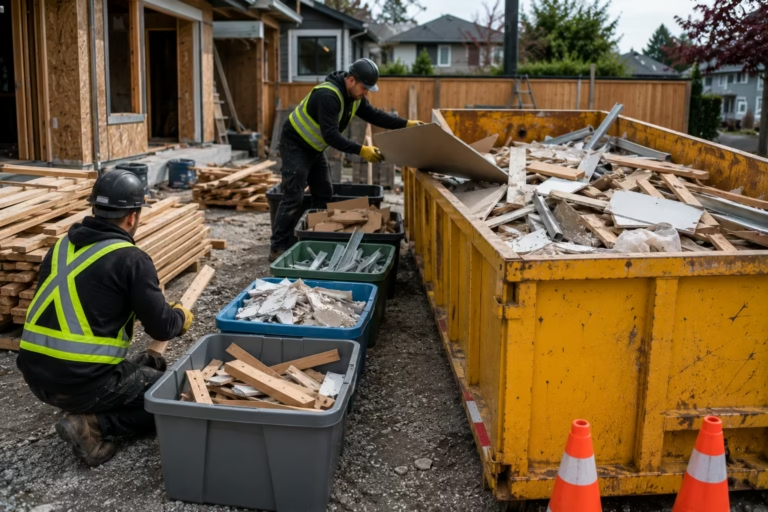
For customers, this means bin rental in the Fraser Valley should not be treated as a way to mix everything together without thinking. Recyclable material, compostable material, hazardous material, and special-category items may need separate handling.
9. Ask about drywall before loading
Drywall can be complicated. New drywall cutoffs, used drywall, painted drywall, mudded drywall, and older drywall may have different handling requirements. Used drywall can also raise asbestos concerns in older buildings.
If your project includes drywall, describe whether it is new, used, old, painted, mudded, or contractor-generated. Bin rental in the Fraser Valley should be planned around drywall rules before loading begins.
10. Compare bin rental with junk removal
A bin is not always the best option. Bin rental in the Fraser Valley is usually better when debris will build over several days and you have labour to load it. Crew-loaded junk removal is usually better when items are already ready and you want the lifting handled for you.
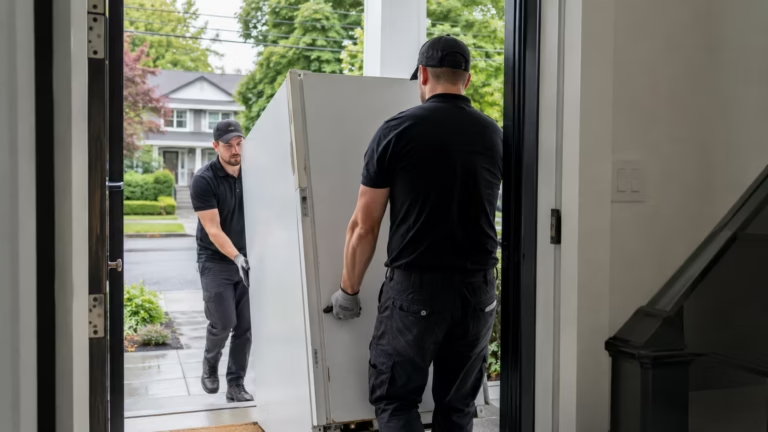
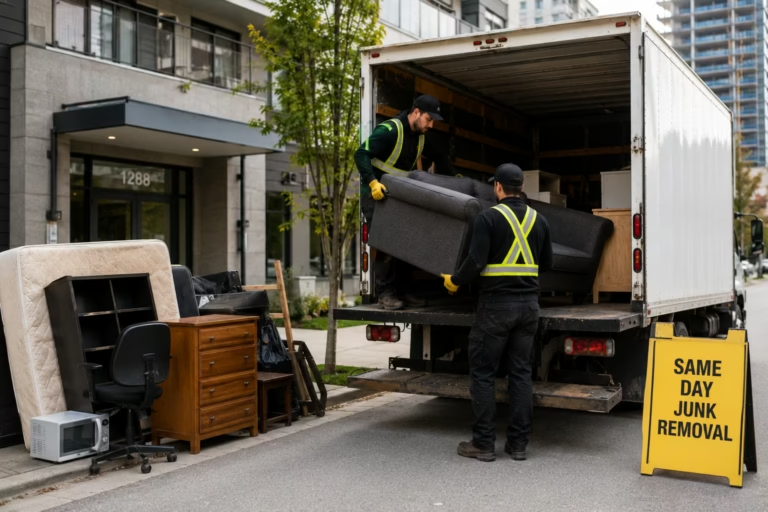
For furniture, appliances, mattresses, office items, and move-out junk, full-service junk removal may be faster. For renovation debris, construction waste, and staged cleanouts, a bin may be more practical.
11. Match the rental period to the project
Some jobs need a bin for one day. Others need several days while the work moves through demolition, loading, sorting, and cleanup. Keeping a bin too long can block access, but removing it too early can leave debris with nowhere to go.
The best bin rental in the Fraser Valley matches the rental period to the actual work schedule. Tell the provider when loading will start, when the project should finish, and whether the scope may expand.
12. Send photos before booking
Photos make estimates more accurate. Include the debris, work area, driveway, lane, parking area, loading route, and bin placement location. If debris has not been removed yet, photos of the rooms or project area still help.
Clear photos reduce guesswork and help the provider recommend the right bin size, delivery approach, and pickup timing. This is one of the simplest ways to improve bin rental in the Fraser Valley.
What Size Bin Do You Need?
The right bin size depends on debris volume, material weight, access, and project timing. A small household cleanup may need less capacity than a kitchen renovation. A bathroom demolition may need careful weight planning. A commercial cleanout may need more truck space because furniture and shelving are bulky.
Bin rental in the Fraser Valley should be sized for the actual material, not only the project label. A “renovation” can mean a small flooring job or a full interior demolition. A “cleanout” can mean a few boxes or a full estate clearout.
For light bulky debris, a larger bin may be useful. For heavy debris, a smaller bin or staged pickup may be better. Dense material such as concrete, tile, soil, brick, stone, and plaster should always be discussed before booking.
Rocky Junk Removal’s garbage bin rental service can help match bin size to the material type, site access, and cleanup timeline.
Direct Answer: When Should You Rent a Bin?
You should rent a bin when debris will build over time, the site has safe placement space, and you or your contractor can load the material. Bin rental in the Fraser Valley is especially useful for renovations, construction jobs, garage cleanouts, basement cleanouts, estate clearing, landscaping projects, and commercial cleanups.
You may not need a bin if the items are already staged and ready to leave. In that case, crew-loaded junk removal may be faster because the team handles lifting and loading. If the property cannot keep a bin on-site, live loading or direct hauling may be better.
The simplest rule is this: use bin rental for ongoing debris and junk removal for ready-to-go items. Some projects need both services at different stages.
Bin Rental for Home Renovations
Home renovation projects are one of the most common reasons to book bin rental in the Fraser Valley. Kitchens, bathrooms, basements, flooring jobs, deck repairs, and interior demolition can all produce debris quickly.
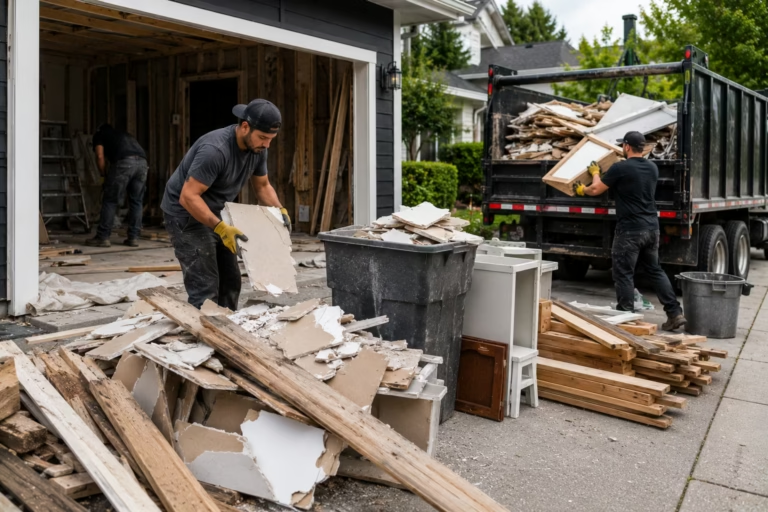
A renovation bin helps keep material contained while work continues. Old cabinets, trim, doors, flooring, drywall, wood, packaging, and fixtures can be loaded as the project moves forward.
Older homes need extra caution. If the renovation involves older drywall, insulation, flooring, ceiling texture, or adhesives, do not disturb or load suspect material without proper assessment.
For accepted non-hazardous renovation debris, Rocky Junk Removal also provides renovation debris removal when crew-loaded hauling is a better fit than leaving a bin on-site.
Bin Rental for Contractors and Construction Projects
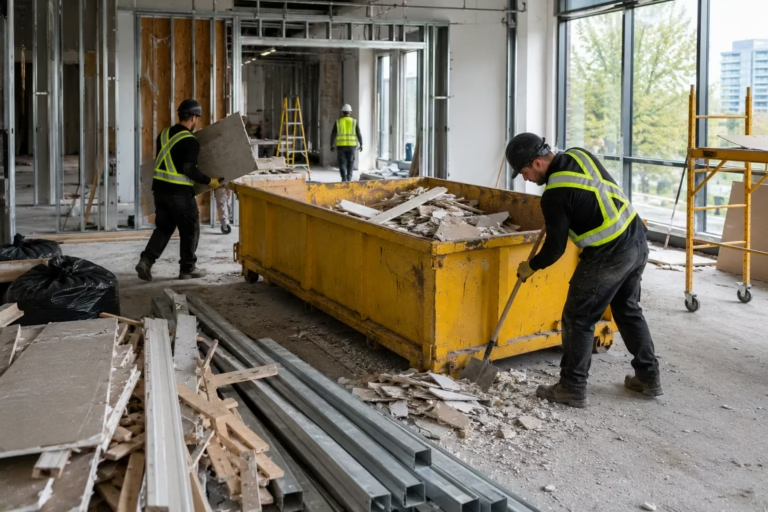
Contractors use bin rental in the Fraser Valley to keep job sites cleaner and reduce repeated dump runs. A bin gives crews one clear location for accepted debris during demolition, framing changes, flooring removal, tenant improvements, and final cleanup.
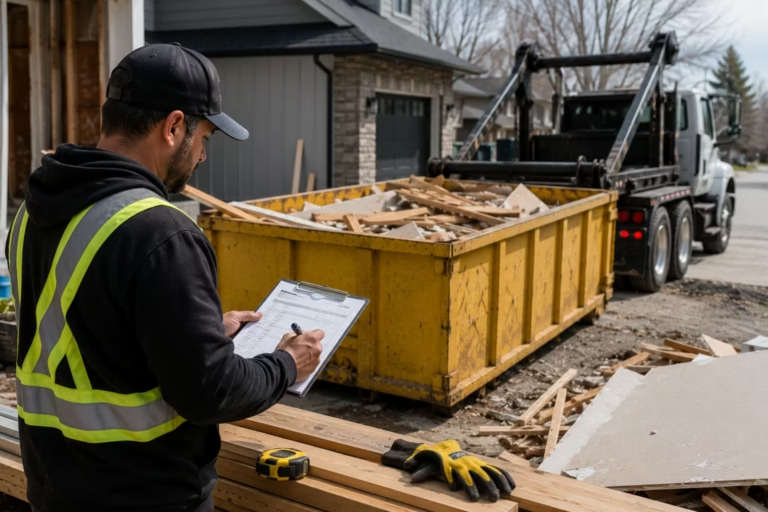
For contractors, timing matters. A bin should be available when demolition starts, not after debris already blocks the work area. Larger jobs may need a planned swap-out or multiple pickups.
Construction debris may include wood, drywall, flooring, cabinets, doors, scrap metal, cardboard, fixtures, tile, and concrete. Heavy materials should be identified before loading.
Rocky Junk Removal provides construction debris removal services for accepted job-site material when contractors need hauling support across the Lower Mainland and Fraser Valley service area.
Bin Rental for Household Cleanouts
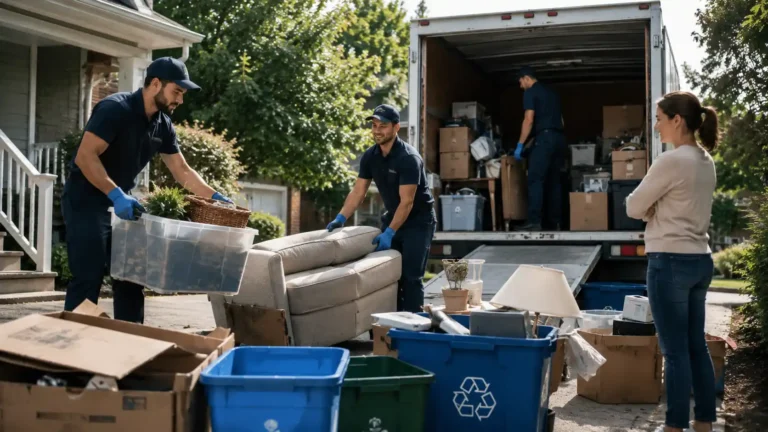
Household cleanouts can include furniture, boxes, shelving, garage clutter, old toys, broken household items, yard debris, storage contents, and general junk. Bin rental in the Fraser Valley can work well when the customer wants to sort and load gradually.
However, household cleanouts often include bulky items that may be better handled by junk removal. Mattresses, couches, appliances, and large furniture can be difficult to lift and may have separate disposal or recycling paths.
If the customer wants labour included, full-service junk removal may be more practical. If the customer wants several days to sort through a garage, basement, barn, or estate property, bin rental may be the better option.
Rocky Junk Removal’s residential junk removal service can help with household items when loading a bin is not the preferred option.
Bin Rental for Commercial and Property Management Jobs
Commercial properties may need bin rental in the Fraser Valley for office cleanouts, warehouse clearing, retail refreshes, tenant improvements, storage room debris, packaging waste, or fixture removal. Timing and access are often just as important as bin size.
Property managers may use bins for rental turnovers, common-area cleanups, maintenance debris, light renovation work, and abandoned item clearing. However, legal and building procedures should be followed before treating tenant belongings as disposal items.
Commercial sites should confirm loading docks, security access, business-hour limits, parking, and whether a bin can remain on-site. Some jobs may be better suited to crew-loaded commercial junk removal instead of bin rental.
Rocky Junk Removal’s commercial junk removal service can support offices, warehouses, retail spaces, and managed properties where labour and timing are the priority.
What Can Usually Go in a Bin?
Accepted materials vary by provider and disposal path, but bin rental in the Fraser Valley commonly handles approved non-hazardous debris. This may include wood, doors, trim, cabinets, flooring, cardboard, packaging, scrap metal, furniture, household junk, and general renovation debris.
Some items need extra review. Drywall, tile, concrete, soil, roofing, appliances, electronics, mattresses, treated wood, and commercial materials may require separate planning or may not belong in a mixed bin.
Recycling and stewardship options can also apply. Recycle BC provides information on residential packaging and paper recycling, while Product Care provides B.C. collection information for household hazardous waste such as certain pesticides and flammable liquids.
If an item is heavy, hazardous, chemical, flammable, electronic, liquid, contaminated, or unknown, ask before loading.
What Should Not Go in a Bin?
Do not place hazardous chemicals, asbestos, flammable products, biohazards, fuel, solvents, pesticides, unknown liquids, medical waste, or contaminated material into a standard bin. These items require separate handling.
Do not place suspect older building materials in the bin without assessment. Materials connected to older homes, such as drywall compound, ceiling texture, vinyl flooring, pipe wrap, insulation, and adhesives, may need review before disturbance.
Bin rental in the Fraser Valley should be used for approved materials only. Loading restricted materials can create safety issues, rejected loads, extra fees, and delays.
When in doubt, separate the item and ask. It is easier to redirect material before pickup than after it has been buried under a full bin.
How Pricing Usually Works
Pricing for bin rental in the Fraser Valley can depend on bin size, rental period, delivery distance, pickup timing, debris type, disposal fees, material weight, access, and whether the load is clean, mixed, heavy, or restricted.
A clean household load may be easier to estimate than a mixed renovation load. Heavy material such as concrete, tile, soil, brick, stone, and plaster may affect pricing because weight influences hauling and disposal.
Customers should ask whether the quote includes delivery, pickup, disposal, rental time, weight allowance, and standard materials. They should also ask what happens if the bin is overfilled, kept longer than planned, or loaded with different material than described.
A transparent quote should make bin rental in the Fraser Valley easier to plan. It should not leave the customer guessing about what is included.
Bin Rental Checklist
Use this checklist before booking bin rental in the Fraser Valley:
- Identify the project type: renovation, cleanout, construction, commercial cleanup, landscaping, or property management.
- List the main materials going into the bin.
- Separate bulky debris from heavy debris.
- Take photos of the debris, driveway, lane, parking area, and bin placement location.
- Confirm truck access, overhead clearance, slope, soft ground, gates, and shared driveways.
- Ask whether drywall, concrete, tile, soil, roofing, appliances, or mattresses require separate handling.
- Keep hazardous chemicals, asbestos, flammable products, and biohazards out of the bin.
- Do not overfill the bin above the allowed line.
- Confirm rental period, pickup timing, weight allowance, and disposal details.
- Check whether bin rental, live loading, or crew-loaded junk removal is the best fit.
- Sort recyclable or reusable materials where practical.
- Book early enough that debris has a destination before work starts.
Common Mistakes to Avoid
The first mistake is booking too small. A smaller bin can cost more if it fills quickly and requires another haul. The second mistake is booking too large for the site or material type, especially when heavy debris is involved.
The third mistake is ignoring access. Bin rental in the Fraser Valley can be delayed if the truck cannot reach the placement area or if the bin blocks neighbours, tenants, trades, or deliveries.
The fourth mistake is mixing restricted materials into the load. Hazardous chemicals, asbestos, flammable products, biohazards, and unknown substances should never go into standard bins.
The fifth mistake is waiting until the site is already cluttered. A bin should be part of the cleanup plan before demolition, sorting, or hauling becomes urgent.
Local Fraser Valley Planning Considerations
Local conditions affect bin rental in the Fraser Valley. Abbotsford and Chilliwack properties may have larger driveways or rural access, but truck placement still matters. Mission, Hope, Harrison, Kent, Maple Ridge, Pitt Meadows, and Langley-area projects may include hills, narrow roads, strata rules, farm access, or commercial loading constraints.
Weather and ground conditions can also matter. Soft ground, gravel, mud, slopes, or tight rural driveways may affect where a bin can safely sit. If the placement area is not paved, discuss it before delivery.
For urban and strata properties, confirm parking, loading rules, and whether a bin can remain on-site. For rural and large-lot properties, confirm truck access, turning space, gates, and overhead clearance.
Rocky Junk Removal serves communities across the Lower Mainland and Fraser Valley service area. You can review broader coverage through the service area page.
Book Bin Rental With Better Information
The best way to book bin rental in the Fraser Valley is to send complete project details. Include the location, project type, debris list, photos, bin placement area, access notes, preferred delivery date, and expected pickup date.
For renovations, mention drywall, flooring, tile, cabinets, fixtures, and older building materials. For construction jobs, mention wood, scrap metal, packaging, concrete, soil, roofing, and heavy debris. For cleanouts, mention furniture, mattresses, appliances, boxes, and household junk.
Rocky Junk Removal can help compare bin rental, crew-loaded junk removal, live loading, construction debris hauling, residential junk removal, and commercial cleanout support based on the actual job.
To request service, send the details through the Rocky Junk Removal contact page. Clear information helps the team recommend the right bin size, delivery plan, and pickup schedule.
Bin Rental in the Fraser Valley: Final Takeaway
Bin rental in the Fraser Valley is useful for renovations, construction projects, household cleanouts, landscaping jobs, commercial cleanups, and property management work where debris needs to stay contained. The best results come from choosing the right bin size, planning access, separating heavy or restricted material, and matching the rental period to the project.
Rocky Junk Removal supports bin rental in the Fraser Valley along with construction debris removal, renovation debris hauling, residential junk removal, commercial cleanouts, appliance pickup, and furniture removal. With the right plan, bin rental in the Fraser Valley can keep the site cleaner, safer, and easier to manage from the first load to final pickup.