Keep the Next Trade Moving With a Cleaner Work Zone
Knowing how to clear a construction site fast can keep a renovation, demolition, or tenant improvement project from losing momentum between trades. When drywall scraps, wood offcuts, flooring debris, old cabinets, packaging, fixtures, and mixed construction waste block the work area, the next crew cannot do its job efficiently.
Fast site clearing is not the same as rushed site clearing. A good cleanup plan protects workers, keeps access open, separates accepted materials, avoids restricted waste, and gives each trade the space needed to work. The goal is speed with control, not piles moved from one problem area to another.
Rocky Junk Removal supports contractors, property managers, renovators, builders, and commercial teams across Vancouver and the Lower Mainland with construction debris removal, bin rental, live loading, and crew-loaded hauling. This guide explains how to clear a construction site fast between trades without creating safety, access, or disposal problems.
Why Construction Sites Get Delayed Between Trades
Trade delays often happen because the previous phase leaves the site crowded. Demolition crews may remove walls, cabinets, flooring, doors, trim, and fixtures faster than the waste can be hauled. Drywall teams may need clear rooms, but the floor is still covered with offcuts. Electricians and plumbers may need wall access, but old material is still piled in the pathway.
To clear a construction site fast, contractors need to think about cleanup as part of scheduling. Debris removal should be tied to project milestones, not left until the end of the job. A site may need a cleanup after demolition, before rough-in, before flooring, before finishing, and before client walkthrough.
Site congestion also creates safety issues. Loose material, exposed nails, broken tile, sharp metal, dusty debris, and unstable piles can increase risk for workers and visitors. A cluttered site also makes it harder to move tools, ladders, materials, and equipment.
For contractors, the cost is not only the cleanup bill. The real cost can include lost trade time, missed inspection windows, damaged materials, frustrated clients, and crew members doing cleanup instead of skilled work.
8 Practical Ways to Clear a Construction Site Fast
The fastest way to clear a construction site fast is to prepare before debris becomes a bottleneck. These eight steps help contractors and site managers keep the cleanup organized between trades.
1. Set a debris plan before demolition starts
The cleanup plan should be decided before the first wall, cabinet, or floor layer comes out. Identify what materials will be removed, where they will be staged, how they will be loaded, and when they will leave the site.
If the plan is created after debris is already scattered, the job becomes slower. Workers may need to move the same material multiple times. A bin, truck, or removal crew should be scheduled around the project phase that creates the most waste.
2. Stage debris by material type
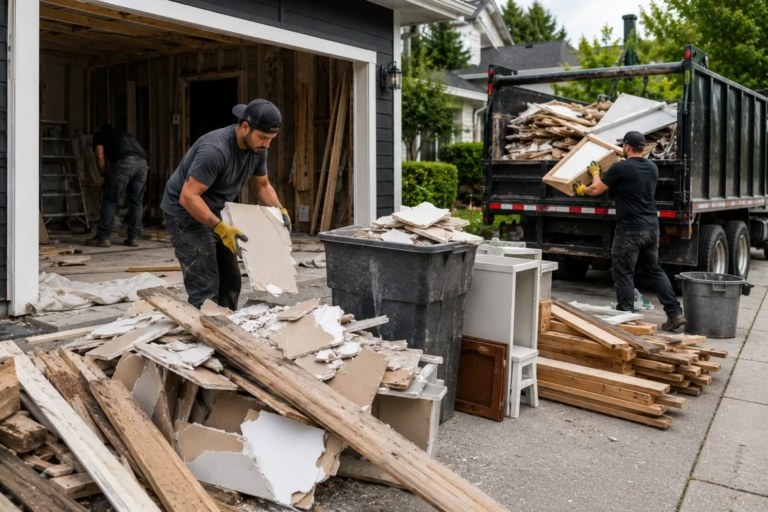
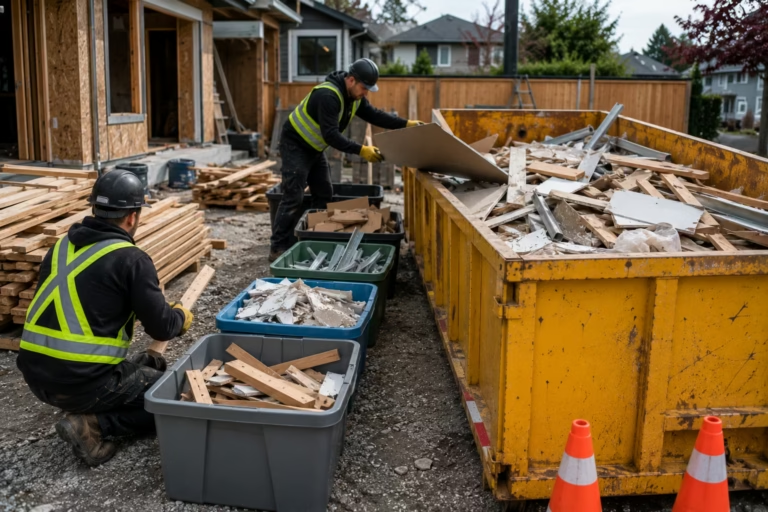
Sorting does not need to be complicated. Keep wood offcuts together, drywall scraps together, metal separate where practical, and bulky fixtures in a controlled area. This makes the site easier to quote, load, and clear.
Staging is one of the simplest ways to clear a construction site fast because it reduces confusion. When the removal crew arrives, they can see what is being hauled and avoid wasting time sorting through mixed piles.
3. Keep access paths open
Every trade needs access. Electricians, plumbers, framers, drywall installers, flooring crews, painters, and finish carpenters all need clear routes through the site. If debris blocks the entrance, hallway, stairwell, garage, lane, or loading bay, cleanup slows and the next phase becomes harder.
Keep one main path open from the work area to the loading point. If the site is tight, mark a staging area and keep debris out of active walkways. This helps crews clear a construction site fast without interrupting trade movement.
4. Use a roll-off bin when debris will build up over time
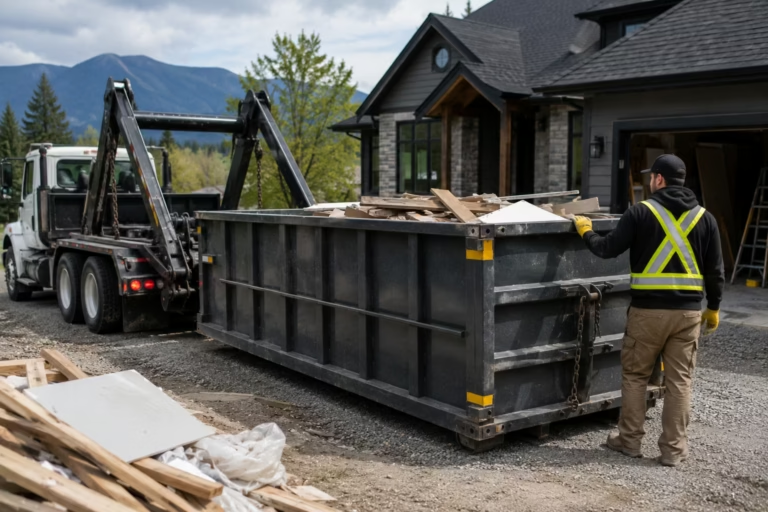
A roll-off bin works well when demolition or renovation debris will be generated over several days. The crew can load accepted material as the project moves forward instead of piling waste around the site.
Rocky Junk Removal provides garbage bin rental for contractor projects, DIY renovations, commercial cleanouts, and larger waste jobs. A bin can help clear a construction site fast when the site has safe placement space and the debris will accumulate in stages.
5. Use crew-loaded hauling when the debris is already ready
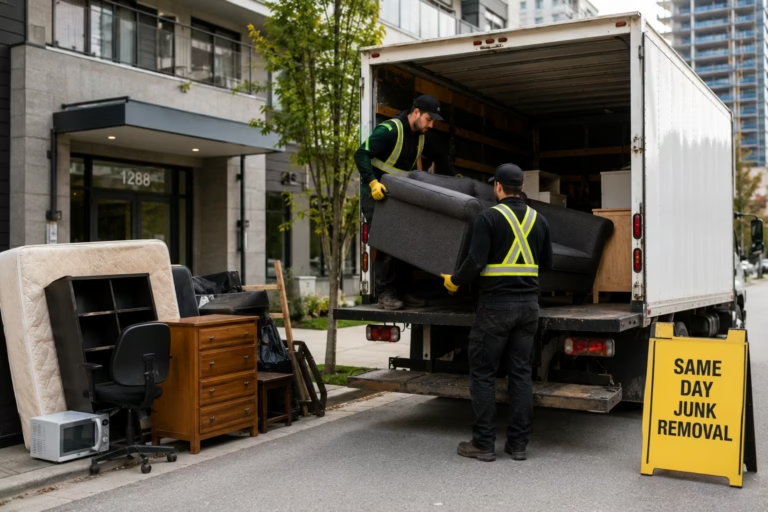
If debris is already staged and ready to leave, crew-loaded hauling may be faster than leaving a bin on-site. A removal crew can load the material, clear the work area, and haul it away during the scheduled visit.
This is useful in condos, retail units, offices, tight residential sites, and jobs with limited parking. Crew-loaded service can clear a construction site fast when a roll-off bin would block access or violate building rules.
6. Schedule cleanup around trade handoffs
Cleanup should happen at the point where clutter would slow the next trade. After demolition and before rough-in is a common window. After drywall removal and before framing changes is another. Before flooring, finishing, inspection, or handoff are also useful cleanup points.
Contractors who clear a construction site fast between those handoffs reduce downtime. The next crew arrives to a workable space instead of spending the first hour moving someone else’s debris.
7. Keep hazardous or suspect material out of the general load
Fast cleanup should not override safety. Hazardous chemicals, asbestos, flammable products, biohazards, fuels, solvents, and unknown substances should not be mixed into a standard construction debris load.
If the site involves older drywall compound, ceiling texture, pipe wrap, insulation, vinyl flooring, adhesives, or other suspect materials, stop and arrange proper assessment. You cannot clear a construction site fast by cutting corners on hazardous material handling.
8. Confirm truck access before pickup day
Truck access is often the difference between a smooth removal and a delayed pickup. Narrow lanes, low wires, parked vehicles, steep driveways, loading dock limits, strata rules, and commercial service windows can all affect the job.
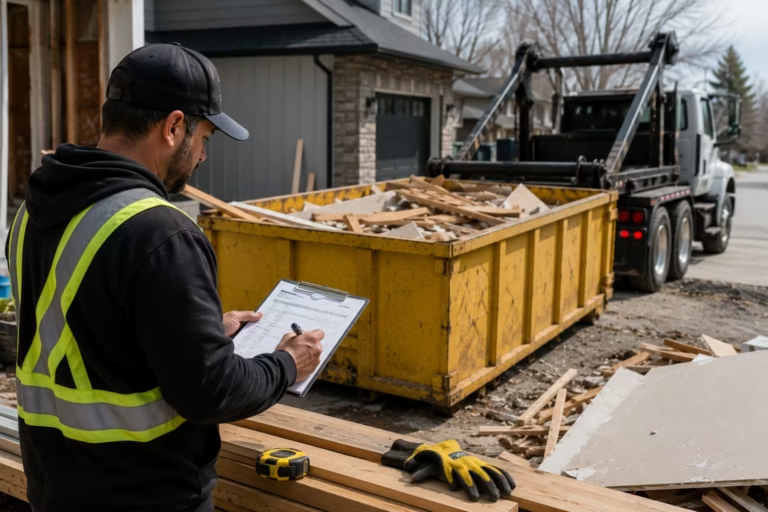
Before booking, send photos of the site, staging area, driveway, lane, loading bay, or street access. This helps the crew arrive with the right plan and clear a construction site fast without last-minute access problems.
How Do You Clear a Construction Site Fast Between Trades?
To clear a construction site fast between trades, stage debris by material type, keep loading paths open, schedule a bin or hauling crew before the handoff, remove waste at key project milestones, and keep restricted materials out of the general debris load. The process should support the next trade’s access, not simply move debris to a different corner of the site.
The most effective cleanup windows are usually after demolition, before rough-in, before drywall, before flooring, before finishing, and before final walkthrough. These points matter because each trade needs clear space, safe footing, and access to the surfaces they are working on.
For larger projects, one pickup may not be enough. A staged plan may be better: one bin or haul after demolition, another after rough work, and a final cleanup before turnover. This approach helps clear a construction site fast without waiting until clutter has already slowed the project.
What Debris Usually Blocks the Next Trade?
Different trades get blocked by different debris. Electricians and plumbers need open wall access. Drywall crews need floors clear enough to move sheets and tools. Flooring installers need clean, open surfaces. Finish carpenters need space for trim, doors, cabinets, and millwork.
Common construction debris includes drywall scraps, wood offcuts, flooring, tile, cabinets, doors, trim, fixtures, insulation, cardboard, plastic wrap, scrap metal, old shelving, and general demolition waste. Even when each item seems small, the pile can grow quickly.
To clear a construction site fast, identify which debris blocks the next task. If drywall installers are arriving, remove old framing debris and loose floor waste. If flooring is next, remove cabinets, fasteners, tile fragments, and dust-heavy material. If painters are next, clear clutter that blocks wall access and room movement.
For accepted non-hazardous job-site material, Rocky Junk Removal’s construction debris removal services can help contractors clear active work areas between project phases.
Bin Rental, Live Load, or Crew-Loaded Removal?
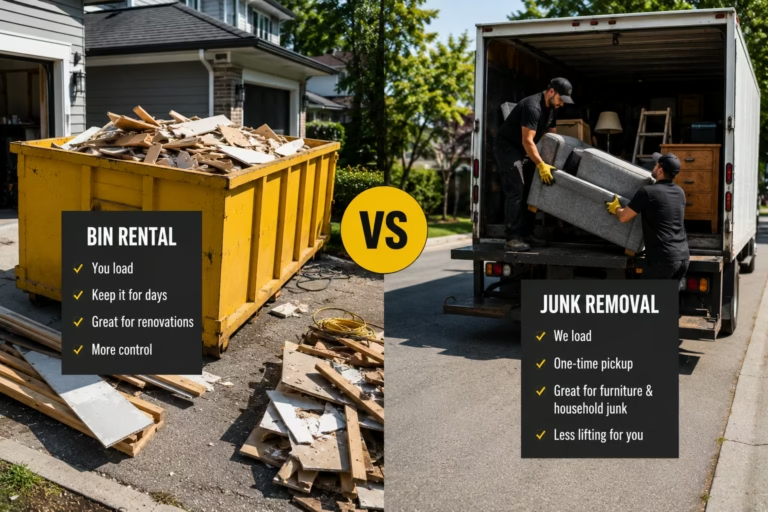
The right cleanup method depends on timing, access, and labour. Bin rental is usually best when debris will build up over several days and the site has a safe place for a container. A bin gives the crew a central waste location throughout the phase.
Live loading can work when the site cannot keep a bin on-site. The truck arrives, the bin is loaded during a short window, and it leaves immediately. This can help clear a construction site fast in dense Vancouver areas, commercial loading zones, or strata-controlled properties.
Crew-loaded removal is often best when debris is already piled and ready. The removal crew handles loading and hauling, which protects contractor labour and clears space quickly.
Some projects use all three options. A bin may handle demolition debris, live loading may solve a tight access window, and crew-loaded hauling may finish the final cleanup before inspection or client walkthrough.
Safety Priorities During Fast Site Cleanup
Fast cleanup still needs safe work practices. Debris should not be thrown into random piles, stacked above safe limits, or placed where it blocks exits, stairs, electrical panels, mechanical rooms, ladders, or high-traffic work paths.
Sharp and heavy materials need extra care. Broken tile, glass, exposed nails, metal edges, and heavy fixtures can injure workers if handled casually. Workers should use appropriate PPE and keep the loading zone controlled.
WorkSafeBC provides guidance for renovation, demolition, and asbestos-related construction risks through its restoration, renovation, and demolition resources. Contractors should review safety responsibilities before disturbing older materials or rushing a cleanup.
If you need to clear a construction site fast, assign one person to confirm what is being removed, where it is staged, and whether any material is restricted. Good supervision reduces mistakes during a fast handoff.
Construction Waste Sorting and Responsible Disposal
Construction debris can be more complicated than household junk. A single site may produce wood, drywall, flooring, metal, tile, concrete, cardboard, cabinets, and packaging. Some materials may have recycling or reuse options, while others need standard disposal.
Metro Vancouver’s construction and demolition waste guidance explains that construction, renovation, and demolition materials are a major regional waste stream and encourages reuse and recycling planning where practical.
Sorting helps contractors clear a construction site fast because the removal crew can load more efficiently and reduce uncertainty. Clean wood, scrap metal, cardboard, and general debris should be separated where site conditions allow.
The City of Vancouver also provides information on construction and demolition waste disposal for certain accepted materials at the Vancouver Landfill. Contractors should confirm current rules and material restrictions before assuming any load will be accepted.
Cleanup Checklist Before the Next Trade Arrives
Use this checklist when you need to clear a construction site fast between trades:
- Confirm which trade is arriving next and what access they need.
- Remove debris from entrances, hallways, stairs, work zones, and loading paths.
- Stage wood, drywall, flooring, metal, fixtures, and packaging separately where practical.
- Photograph the debris and loading area before booking removal.
- Confirm truck access, parking, lane width, overhead clearance, and loading dock rules.
- Book a roll-off bin if debris will build up over several days.
- Book crew-loaded hauling if debris is already ready to leave.
- Use live loading if the site cannot keep a bin on-site.
- Keep hazardous chemicals, asbestos, flammable products, and biohazards out of standard loads.
- Check older building materials before disturbing drywall compound, insulation, ceiling texture, flooring, or adhesives.
- Do not overfill bins or create unstable debris piles.
- Schedule final pickup before inspection, finishing, or client walkthrough.
Common Mistakes That Slow Down Site Clearing
The first mistake is waiting too long. If cleanup is not scheduled until the next trade is already on-site, the project has already lost time. Removal should be planned before the handoff.
The second mistake is mixing everything into one pile. Mixed debris is harder to quote, harder to load, and harder to direct toward the right disposal path. Sorting basic materials can help clear a construction site fast with fewer delays.
The third mistake is ignoring access. A truck cannot clear debris efficiently if the lane is blocked, the driveway is full, the loading dock is unavailable, or the elevator is not booked. Access issues can turn a fast pickup into a missed window.
The fourth mistake is using skilled trades as hauling labour. Electricians, plumbers, carpenters, and installers are usually more valuable working on the project than making dump runs or carrying debris through the site.
The fifth mistake is rushing restricted material. Suspect asbestos, chemicals, flammable products, and biohazards should never be mixed into standard construction cleanup. Safety and compliance come before speed.
Project Scenarios: Fast Cleanup Between Trades
In a kitchen renovation, demolition may leave cabinets, countertops, tile, flooring, drywall, packaging, and old fixtures. If plumbing and electrical rough-in are scheduled next, the site should be cleared before those trades arrive. A bin or crew-loaded pickup can remove the bulk material and restore access.
In a bathroom renovation, tile, mortar, backer board, vanity, toilet, tub surround, and drywall can create heavy debris. To clear a construction site fast, contractors should separate dense material and confirm weight concerns before booking a bin or haul.
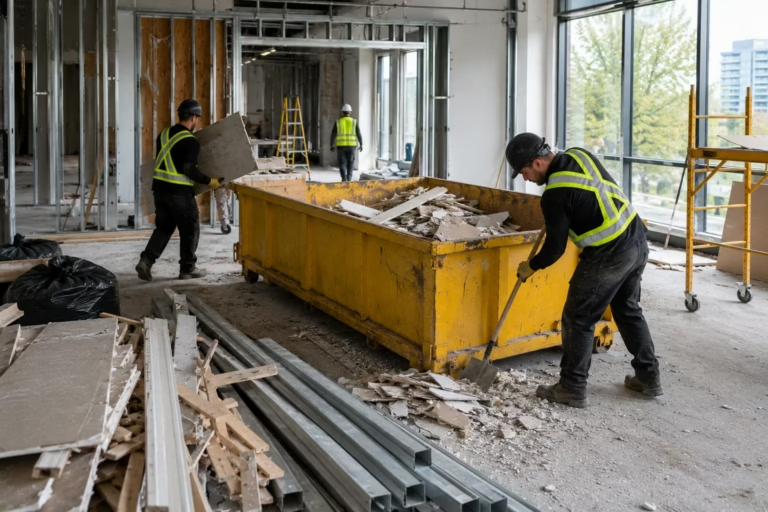
In a commercial tenant improvement, old shelving, displays, partitions, flooring, and fixtures may block the next phase. Rocky Junk Removal’s commercial junk removal service can support cleanouts where old business contents and accepted debris need to leave quickly.
In a full interior strip-out, staged hauling may be best. The first pickup clears demolition debris. The second handles mid-project waste. The final pickup removes packaging, offcuts, and leftover debris before handoff.
Local Vancouver and Lower Mainland Considerations
Vancouver and Lower Mainland sites often have access constraints. A detached home may have a narrow lane. A condo renovation may require elevator protection and loading dock booking. A retail unit may need pickup outside business hours. A townhouse complex may have strata rules for bins and trucks.
To clear a construction site fast in these conditions, contractors need to share access details before pickup. Site photos, parking notes, preferred loading windows, and staging locations help the removal team plan properly.
Rocky Junk Removal serves Vancouver, Burnaby, Surrey, Richmond, Delta, Langley, Abbotsford, Maple Ridge, Chilliwack, Pitt Meadows, and nearby Lower Mainland communities. Contractors can review local service coverage through the service area page.
For active renovation and construction jobs, local access planning is often the difference between a clean trade handoff and another delay.
Book Cleanup Before the Handoff Becomes a Delay
If the next trade is scheduled, debris removal should already be part of the plan. Waiting until the site is blocked creates pressure, reduces options, and can force workers to rush through cleanup.
Rocky Junk Removal can help contractors clear a construction site fast with bin rental, construction debris hauling, live loading, and crew-loaded removal for accepted non-hazardous materials. The best option depends on debris type, site access, project phase, and timing.
To request cleanup support, send the project location, photos, debris type, access notes, and trade handoff schedule through the Rocky Junk Removal contact page. Clear information helps the team recommend the right service before the next crew arrives.
Clear a Construction Site Fast: Final Takeaway
To clear a construction site fast between trades, contractors need a practical system: stage debris early, keep access paths open, separate materials where possible, choose the right bin or hauling service, and schedule removal around project milestones. A fast cleanup should make the next trade more productive, not create new safety or access problems.
Rocky Junk Removal supports contractors, builders, renovators, commercial teams, and property managers across Vancouver and the broader Lower Mainland with construction debris removal, bin rental, commercial junk removal, residential junk removal, and renovation debris hauling. With the right plan, it is possible to clear a construction site fast while keeping the project safer, cleaner, and easier to manage between trades.