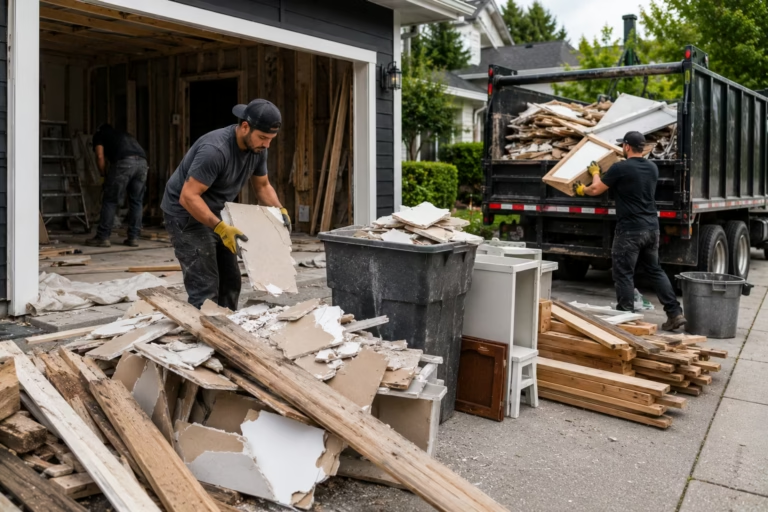
Professional Renovation Cleanup Starts Before Demolition
Renovation companies in Vancouver handle debris removal as part of the project workflow, not as a final afterthought. Demolition debris, drywall scraps, cabinets, flooring, trim, packaging, fixtures, and wood offcuts can build up quickly during a renovation. If waste is not managed properly, it can block trades, slow inspections, increase safety risks, and make the site look disorganized.
For homeowners, landlords, strata managers, and commercial clients, understanding how renovation debris removal works helps set better expectations. A professional renovator should know when to use a bin, when to schedule crew-loaded hauling, when to separate materials, and when older building materials require extra caution.
Rocky Junk Removal supports renovation companies in Vancouver with construction debris removal, bin rental, renovation waste hauling, commercial cleanouts, and job-site cleanup across the Lower Mainland. This guide explains how renovation companies in Vancouver handle debris removal and what clients should look for during a well-managed project.
Why Debris Removal Matters During Renovation
Renovation work creates debris in phases. Demolition may produce cabinets, drywall, tile, flooring, doors, trim, and fixtures. Rough-in work may create wood, wire packaging, pipe cutoffs, and drywall openings. Finishing work may add cardboard, plastic wrap, offcuts, and leftover materials.
Renovation companies in Vancouver need a debris plan because clutter affects productivity. If electricians, plumbers, flooring crews, drywall installers, painters, or finish carpenters arrive to a crowded site, they lose time before their work even begins.
Debris removal also affects site safety. Loose boards, exposed nails, broken tile, dust, sharp metal, and unstable piles can create hazards. A clean site does not mean the renovation is finished; it means the work area is controlled enough for the next phase.
Professional renovation companies in Vancouver usually plan debris removal around trade handoffs. The goal is to keep the project moving without repeated emergency cleanups or last-minute dump runs.
8 Smart Ways Renovation Companies in Vancouver Handle Debris Removal
The best renovation companies in Vancouver do not wait until debris becomes a problem. They plan where material will go, how it will be loaded, when it will leave, and what should never be mixed into a standard load.
1. They create a debris plan before work starts
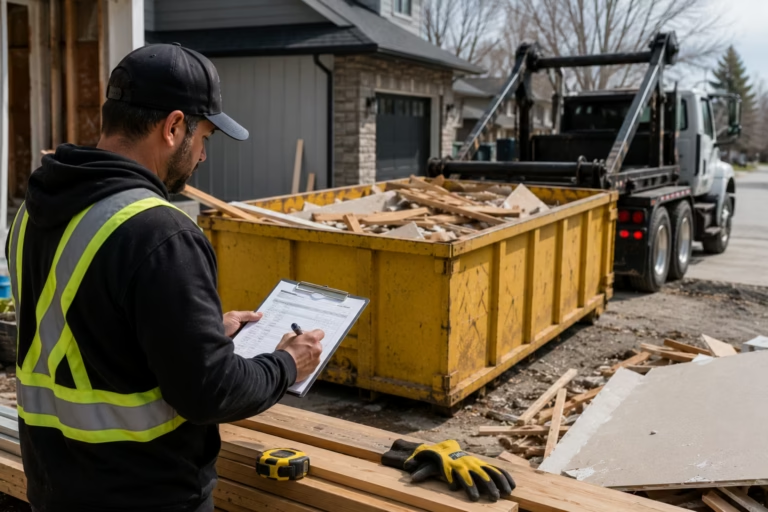
A professional renovation debris plan starts before demolition. The contractor identifies what will be removed, where debris will be staged, whether a roll-off bin is needed, and when pickups should happen.
Renovation companies in Vancouver often work on tight properties, including laneway homes, condos, older houses, commercial units, and strata buildings. A debris plan helps avoid blocked driveways, full garages, crowded hallways, and unhappy neighbours.
2. They choose between bin rental and crew-loaded hauling
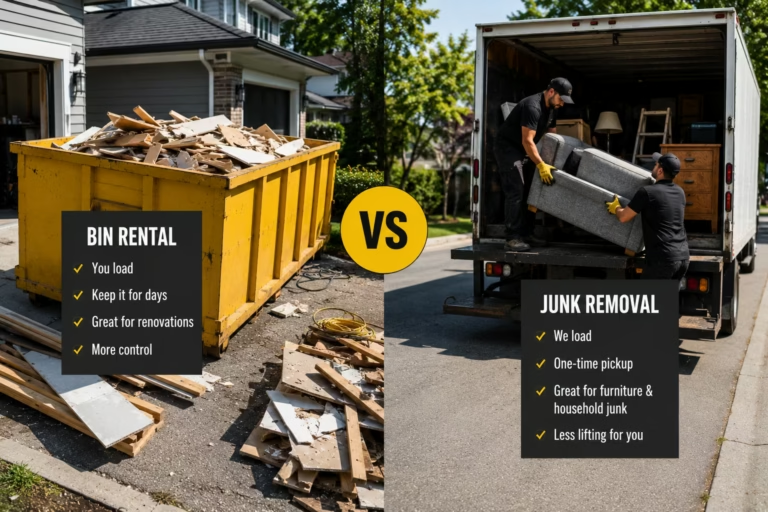
Some projects need a bin on-site. Others need a crew to load debris into a truck and leave immediately. Renovation companies in Vancouver choose based on access, project duration, material type, and whether debris will build over time.
Rocky Junk Removal provides garbage bin rental for projects where accepted debris needs to stay contained on-site. For jobs where debris is already staged or bin placement is difficult, crew-loaded hauling may be faster.
3. They stage debris by material type
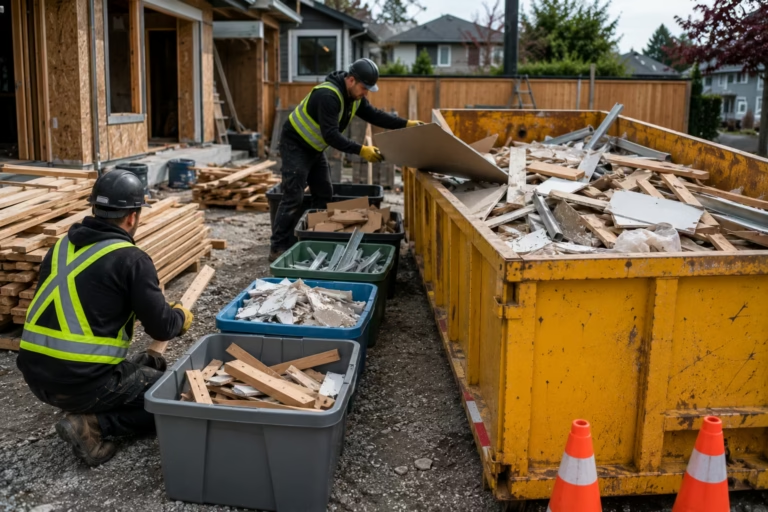
Sorting does not have to be complicated. Wood, drywall, flooring, metal, cardboard, fixtures, and heavy debris should be separated where practical. This makes loading faster and helps the removal team understand the waste stream.
Renovation companies in Vancouver often separate reusable or recyclable material when site conditions allow. Metro Vancouver’s construction and demolition waste guidance explains that construction, renovation, and demolition materials are a major regional waste stream, which is why reuse and recycling planning matter.
4. They schedule debris removal around trade sequencing
Good renovation scheduling includes cleanup windows. A site may need debris removed after demolition, before rough-in, before drywall, before flooring, before finishing, and before final walkthrough.
Renovation companies in Vancouver use debris removal to protect the project schedule. If the next trade arrives and has to move old material before starting, the project is already losing time.
5. They keep loading paths open
Fast debris removal depends on access. The route from the work area to the bin, truck, lane, driveway, or loading dock should stay clear. Blocked hallways, stairs, elevators, and service corridors slow the job down.
Renovation companies in Vancouver often deal with tight access. Condo buildings may require elevator bookings. Commercial sites may need loading dock timing. Older houses may have narrow staircases or limited lane access. Planning the loading path reduces delays.
6. They identify heavy materials before loading
Tile, concrete, brick, stone, plaster, roofing, and soil can make a bin too heavy before it looks full. A large container is not always the right choice for dense material.
Renovation companies in Vancouver should identify heavy debris early so the bin size, load limit, and pickup plan can be chosen correctly. In some cases, smaller bins, staged hauling, or separate loads are safer and more practical.
7. They keep restricted materials out of standard loads
Standard renovation debris removal does not include hazardous chemicals, asbestos, flammable products, biohazards, fuels, solvents, or unknown dangerous materials. These materials require proper assessment and specialized handling.
WorkSafeBC’s asbestos safety information warns that people who repair, renovate, or demolish older buildings in B.C. may be exposed to asbestos fibres if suspect materials are disturbed. Renovation companies in Vancouver should never treat asbestos-risk material as ordinary debris.
8. They use final cleanup to prepare for handoff
Final debris removal is part of project presentation. Even strong renovation work can look unfinished if packaging, offcuts, old fixtures, and debris are still on-site during walkthrough.
Professional renovation companies in Vancouver schedule final cleanup before handoff, inspection, staging, photography, tenant move-in, or client walkthrough. A clean site helps the finished work show properly.
How Do Renovation Companies Handle Debris Removal?
Renovation companies in Vancouver usually handle debris removal by planning the waste stream before demolition, separating materials where practical, choosing bin rental or crew-loaded hauling, keeping access paths open, and scheduling pickups around key project stages.
For a small renovation, one pickup may be enough. For a full kitchen, bathroom, basement, or commercial remodel, debris may need to be removed in stages. Larger projects may use a roll-off bin during demolition, then crew-loaded removal for the final cleanup.
The best system depends on project type. A condo renovation may not allow a bin on-site. A detached home renovation may have driveway space for a container. A commercial tenant improvement may require after-hours loading dock access.
Renovation companies in Vancouver should communicate debris plans clearly to clients before work begins. Clients should know where the debris will be staged, when it will leave, and what materials require special handling.
What Types of Debris Come From Renovation Projects?
Renovation debris depends on the project scope. Kitchen renovations may create cabinets, countertops, backsplash, flooring, drywall, packaging, appliances, and fixtures. Bathroom renovations may create tile, mortar, vanities, tubs, toilets, drywall, mirrors, and plumbing fixtures.
Basement renovations may create old shelving, wood, drywall, insulation, flooring, doors, trim, and stored household junk. Commercial renovations may create office furniture, partitions, retail fixtures, shelving, flooring, packaging, and construction waste.
Renovation companies in Vancouver should identify the debris categories before booking removal. Drywall, tile, concrete, appliances, scrap metal, wood, cardboard, and mixed junk may not all follow the same disposal path.
For accepted non-hazardous job-site material, Rocky Junk Removal provides construction debris removal services for contractors, renovators, builders, property managers, and commercial clients.
Why Drywall and Older Building Materials Need Special Attention
Drywall is common in renovation projects, but it should not be treated casually. New drywall cutoffs, used drywall, painted drywall, mudded drywall, and older drywall can require different handling depending on the source and condition.
The City of Vancouver’s drywall disposal guidance notes that drywall installed before 1990 may contain or be contaminated with asbestos in tape and mud. The City also states on its recycling and disposal facilities page that used drywall from businesses and contractors is not accepted at the landfill through that used-drywall pathway.
Renovation companies in Vancouver should confirm drywall details before loading it into a bin or truck. Building age, material condition, and whether the drywall is contractor-generated can affect the disposal plan.
If asbestos may be present, the material should not be disturbed or mixed into standard debris. Hazardous material assessment and proper handling should come before speed or convenience.
Bin Rental for Renovation Companies
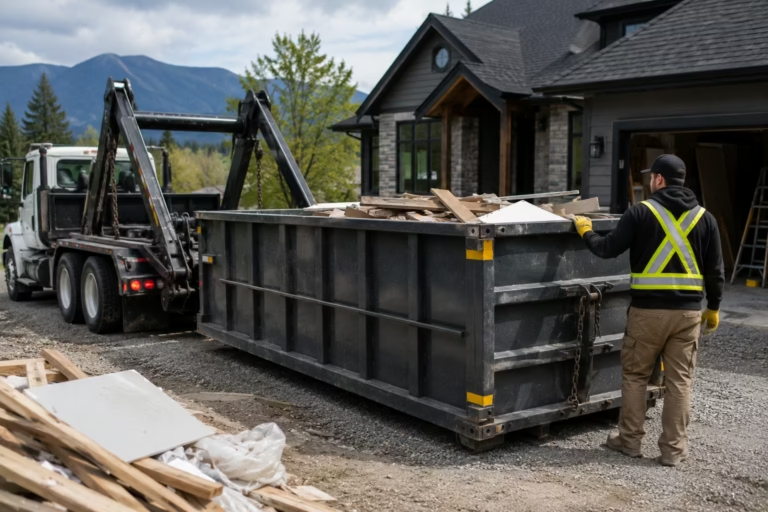
Bin rental is useful when debris will be produced over several days. A roll-off bin gives the renovation crew one controlled place to load approved material as demolition, removal, and cleanup progress.
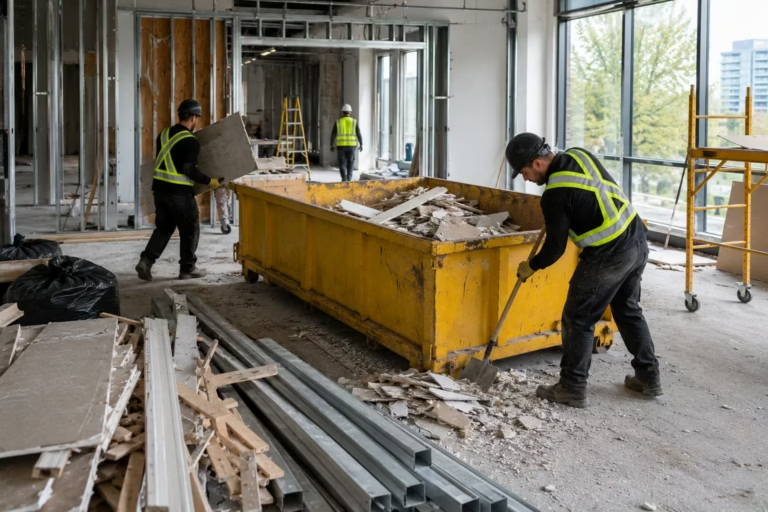
Renovation companies in Vancouver use bins for kitchen demolition, flooring removal, basement renovations, deck work, commercial tenant improvements, and larger interior remodels. The bin helps reduce loose piles and repeated dump runs.
However, bin rental works only when the property has safe placement space. The truck needs room to deliver and retrieve the bin. The bin should not block neighbours, trades, tenants, emergency access, or deliveries.
If a bin cannot stay on-site, live loading or crew-loaded construction debris removal may be better. Rocky Junk Removal can help compare bin rental with hauling based on the project conditions.
Crew-Loaded Debris Removal for Renovation Companies
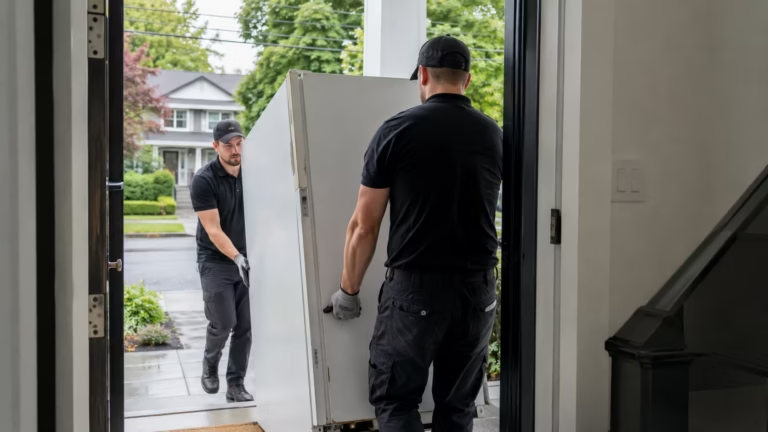
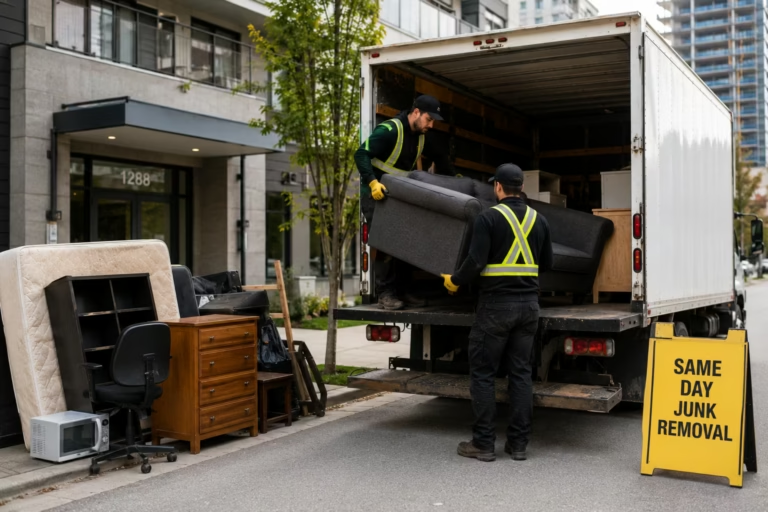
Crew-loaded hauling is useful when debris is already staged and ready to leave. Instead of leaving a bin on-site, the removal team arrives, loads the truck, and hauls the material away during the scheduled visit.
Renovation companies in Vancouver may use crew-loaded removal in condos, apartments, narrow residential lanes, commercial loading zones, and strata-controlled properties where a bin is not practical.
This service can also protect renovation labour. Skilled trades should not spend hours making dump runs if that time is needed for demolition, installation, finishing, or project coordination.
For customers, crew-loaded hauling can make the site look cleaner quickly. It is often the better option when the debris is ready now and the project cannot tolerate a bin sitting on-site.
How Renovation Companies Use Debris Removal Between Trades
Trade sequencing is one of the main reasons debris removal matters. Electricians, plumbers, drywall installers, flooring crews, painters, cabinet installers, and finish carpenters all need clear access to do their work.
Renovation companies in Vancouver often schedule cleanup between these stages. After demolition, debris is removed so rough-in work can begin. After drywall or flooring removal, debris is cleared so the next surface can be prepared. Before finishing, packaging and offcuts are removed to protect the final presentation.
Debris removal between trades reduces downtime. It also prevents workers from moving material multiple times just to create temporary access.
If the site is especially tight, smaller staged pickups may be better than one large final cleanup. The best renovation companies in Vancouver treat debris removal as part of project management.
Responsible Disposal and Sorting
Responsible debris handling starts with knowing what is in the load. Wood, metal, cardboard, drywall, appliances, tile, concrete, and general junk may need different disposal or recycling paths.
Renovation companies in Vancouver can support better sorting by separating clean wood, scrap metal, cardboard, and reusable fixtures where practical. Not every site has room for full sorting, but even basic staging helps.
The City of Vancouver provides information on construction and demolition waste disposal at the landfill, including accepted C&D material windows and fee-based disposal. Contractors should always confirm current rules before assuming a material will be accepted.
Sorting also improves communication with the removal provider. A clear material list and photos help Rocky Junk Removal recommend the right bin, crew, or pickup schedule.
What Clients Should Ask Their Renovation Contractor
Clients hiring renovation companies in Vancouver should ask how debris will be handled before work begins. This prevents confusion once demolition starts and material begins piling up.
Useful questions include: Where will debris be staged? Will the project use a bin? Who loads the bin? How often will debris be removed? Are drywall, tile, appliances, or heavy materials included? What happens if asbestos-risk material is found?
Clients should also ask whether cleanup is included in the renovation quote or handled separately. Debris removal can affect project pricing, scheduling, and site presentation.
A contractor with a clear answer is usually easier to work with than one who treats cleanup as a last-minute issue. Renovation companies in Vancouver should be able to explain their debris plan in plain terms.
Renovation Debris Removal Checklist
Use this checklist when planning debris removal with renovation companies in Vancouver:
- Confirm what rooms or areas are being renovated.
- List expected debris, including wood, drywall, flooring, cabinets, tile, fixtures, packaging, and appliances.
- Identify heavy materials such as concrete, brick, stone, tile, plaster, roofing, or soil.
- Check whether older drywall, flooring, ceiling texture, insulation, or adhesives may need hazardous material assessment.
- Decide whether bin rental, crew-loaded hauling, live loading, or staged pickup is best.
- Confirm where debris will be staged during demolition.
- Keep hallways, stairs, driveways, lanes, elevators, and loading docks clear.
- Separate reusable or recyclable materials where practical.
- Keep hazardous chemicals, asbestos, flammable products, and biohazards out of standard loads.
- Schedule pickups before debris blocks the next trade.
- Ask whether cleanup is included in the contractor’s scope.
- Send photos before booking debris removal or bin rental.
Common Debris Removal Mistakes Renovation Companies Should Avoid
The first mistake is waiting until the site is already cluttered. Debris removal should be planned before demolition starts, not after waste has spread through the property.
The second mistake is mixing everything together. A single pile of wood, drywall, tile, appliances, chemicals, and unknown materials is harder to sort, quote, and remove safely.
The third mistake is using skilled trades as hauling labour. Renovation companies in Vancouver lose productive time when carpenters, installers, or site leads spend hours making dump runs.
The fourth mistake is ignoring access. Vancouver sites may involve narrow lanes, shared driveways, strata buildings, busy streets, or commercial loading restrictions. Truck and bin access should be planned early.
The fifth mistake is treating suspect older materials as regular junk. Asbestos-risk material, hazardous chemicals, and contaminated waste need proper assessment and specialized handling.
Local Vancouver Site Challenges
Vancouver renovation sites can be complicated. Older homes may have narrow staircases, limited driveway space, or laneway access. Condos may require elevator protection and loading dock bookings. Commercial projects may need after-hours pickup or strict loading windows.
Renovation companies in Vancouver should match the debris removal method to the site. A roll-off bin may work for a detached home with driveway space. Crew-loaded hauling may work better for a condo or commercial unit. Live loading may work when a bin can only be present for a short time.
Local access details should be shared before pickup. Photos of the staging area, loading route, driveway, lane, or dock can prevent scheduling issues.
Rocky Junk Removal serves Vancouver, Burnaby, Surrey, Richmond, Delta, Langley, Abbotsford, Maple Ridge, Chilliwack, Pitt Meadows, and nearby communities. You can review broader coverage through the service area page.
Book Debris Removal With the Renovation Schedule in Mind
Debris removal should support the renovation schedule. If demolition starts Monday, the bin or hauling plan should already be confirmed. If flooring starts Friday, demolition debris should not still be blocking the work area.
Renovation companies in Vancouver can work more efficiently when cleanup is connected to the project timeline. The right plan may include one bin, multiple pickups, live loading, or crew-loaded removal depending on the site.
Rocky Junk Removal can support accepted renovation debris, construction waste, furniture, appliances, commercial cleanouts, and bin rental for projects across Vancouver and the Lower Mainland. To request service, send the project details, photos, material list, access notes, and timing through the Rocky Junk Removal contact page.
Renovation Companies in Vancouver: Final Takeaway
Renovation companies in Vancouver handle debris removal by planning ahead, staging materials, choosing the right bin or hauling service, keeping access paths open, separating restricted materials, and scheduling pickups around trade handoffs. A good debris plan keeps the site safer, cleaner, and easier to work in.
Rocky Junk Removal supports renovation companies in Vancouver with construction debris removal, bin rental, renovation debris hauling, commercial junk removal, residential junk removal, and cleanup support across the broader Lower Mainland. For contractors and clients, debris removal should be treated as part of the project plan, not the final cleanup problem.