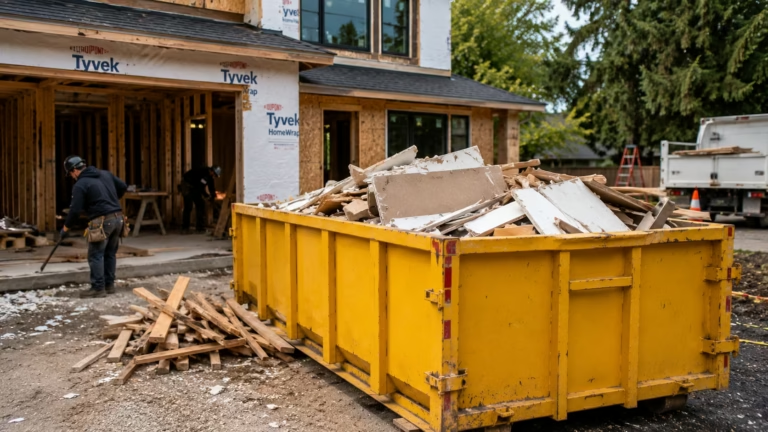
Cleaner Job Sites Start With Better Debris Planning
Construction debris removal for contractors is not just a cleanup task at the end of a project. It affects site safety, trade sequencing, client experience, disposal costs, and how efficiently a crew can move from demolition to rough-in, finishing, and handover.
For contractors working across Vancouver, Burnaby, Surrey, Richmond, Delta, Langley, and the broader Lower Mainland, debris can build up quickly. Drywall scraps, wood offcuts, flooring, tile, cabinets, packaging, scrap metal, and mixed renovation waste can turn a productive job site into a blocked, inefficient workspace.
Rocky Junk Removal supports contractors with construction debris hauling, roll-off bin rental, renovation debris cleanup, and job-site waste removal. This guide explains how to plan debris removal properly, avoid common delays, and choose the right hauling option for different contractor projects.
Why Contractors Need a Debris Removal Plan Before Demolition Starts
A debris removal plan should be part of the project schedule, not an afterthought. Once demolition begins, waste starts competing with tools, materials, trades, ladders, vehicles, and client access. If debris is not managed early, the site becomes harder to work in and harder to keep safe.
Contractors often work under tight timing. A kitchen demolition may need to be cleared before plumbing and electrical rough-in. A commercial strip-out may need debris gone before new shelving, framing, or flooring can begin. A residential renovation may need a driveway, garage, or lane kept open for deliveries.
Construction debris removal for contractors works best when the hauling schedule follows the project sequence. That may mean placing a bin before demolition, scheduling a mid-project pickup, arranging same-day hauling after a heavy tear-out, or planning final cleanup before inspection or client walkthrough.
The right plan also protects labour time. Skilled trades should not lose productive hours moving waste multiple times. When debris has a clear destination, crews can focus on the work they were hired to complete.
7 Smart Tips for Construction Debris Removal for Contractors
Every project is different, but the same basic principles apply. Contractors need debris removal that is reliable, safe, properly timed, and matched to the type of material being removed. The following tips can help reduce delays and keep job sites more organized.
1. Estimate debris by material, not just project size
A small bathroom demolition can create heavy debris if it includes tile, mortar, backer board, tubs, drywall, and fixtures. A larger interior repaint or flooring update may create more volume but less weight. Project size alone does not tell the full story.
Before booking construction debris removal for contractors, list the expected material types. Common categories include drywall, wood, flooring, cabinets, tile, concrete, metal, fixtures, insulation, packaging, and general mixed debris. This helps the hauling provider recommend the right bin, truck, crew, or pickup schedule.
2. Match the removal method to the site workflow
Some jobs need a roll-off bin on-site for several days. Others need crew-loaded debris removal after demolition is complete. A contractor working in a detached home with driveway access may benefit from a bin. A contractor working in a downtown condo, retail unit, or tight commercial space may need scheduled hauling instead.
Rocky Junk Removal provides garbage bin rental for projects where debris will build up over time. For sites where a bin is not practical, crew-loaded hauling can remove debris without leaving a container on-site.
3. Keep heavy materials separate when possible
Concrete, tile, brick, stone, plaster, and soil can reach weight limits quickly. These materials may require different loading instructions than light bulky debris such as wood, trim, cardboard, or cabinetry. Mixing heavy and light material without planning can make a load harder to manage.
Separating heavy debris also improves communication. When the hauling provider knows what material is dense, they can recommend a safer container size, avoid overloaded bins, and reduce the chance of a pickup delay.
4. Plan around trade sequencing
Debris removal should support the next trade, not interrupt it. If drywall scraps block an electrician, or old cabinets block a flooring crew, the cleanup plan is costing the project time. Contractors should schedule removal around key transition points.
For example, after demolition and before rough-in is often a practical cleanup window. Another useful window is after drywall, flooring, or millwork removal but before finishing material arrives. A final haul before handover can remove packaging, offcuts, and leftover site debris.
5. Confirm access before the truck arrives
Access problems are one of the fastest ways to slow down debris removal. Narrow lanes, blocked driveways, low wires, underground parking, strata loading rules, and limited street parking can all affect the job. Contractors should confirm truck access before the scheduled pickup.
Photos help. A few images of the driveway, lane, loading area, debris pile, stairs, or elevator can help the hauling team plan the right vehicle and crew. This is especially useful for Vancouver, Burnaby, Richmond, and other dense Lower Mainland areas where access conditions can change quickly from one property to the next.
6. Identify restricted or hazardous materials early
Standard construction debris removal does not include hazardous chemicals, asbestos, flammable products, or biohazard materials. Contractors working in older buildings should be cautious before disturbing drywall compound, insulation, flooring, ceiling texture, pipe wrap, or other suspect materials.
WorkSafeBC provides guidance on asbestos hazards in demolition, renovation, and salvage. If asbestos or other hazardous building materials may be present, assessment and proper handling should happen before general debris hauling.
7. Build debris removal into the client schedule
Clients notice messy sites. Even when the renovation work is technically on track, unmanaged debris can make the project feel chaotic. A clear cleanup schedule helps maintain professionalism and reduces friction with homeowners, property managers, neighbours, and commercial tenants.
Construction debris removal for contractors is part of project presentation. A clean site helps trades work better, keeps access safer, and shows the client that the contractor is managing the full job, not just the installation work.
What Types of Construction Debris Can Contractors Remove?
Most contractor debris loads include a mix of materials. Common construction and renovation debris includes wood, drywall, flooring, trim, cabinets, doors, scrap metal, fixtures, packaging, tile, and non-hazardous demolition waste. The exact handling method depends on the material, weight, volume, and site conditions.
Drywall and gypsum require particular attention. Used drywall may be subject to special disposal rules depending on the source and local facility requirements. Contractors should avoid assuming that all drywall can be mixed with general debris, especially when it comes from older buildings or commercial work.
Wood waste may include framing offcuts, old studs, trim, doors, plywood, cabinets, and formwork. Clean wood, painted wood, treated wood, and mixed demolition wood may not all follow the same disposal path. Sorting can improve recycling options where practical.
Scrap metal, fixtures, appliances, shelving, and certain commercial materials may be suitable for recycling when separated properly. Rocky Junk Removal also provides scrap metal removal for jobs where metal debris is part of the cleanup.
For broader job-site waste, Rocky Junk Removal’s construction debris removal services support contractors handling renovation, demolition, and construction cleanup across the Lower Mainland.
How Does Contractor Debris Hauling Keep Projects Moving?
Contractor debris hauling keeps projects moving by removing waste at the points where clutter would otherwise slow the next step. A job site does not need to be spotless every hour, but it does need clear access, safe walking paths, and enough working room for trades and materials.
During demolition, debris removal creates space for inspection, rough-in, framing, and layout adjustments. During renovation, it keeps flooring, drywall, cabinet, and fixture waste from competing with new material. Near the end of the project, final hauling helps remove packaging, cutoffs, and leftover debris before the client sees the finished space.
This is why construction debris removal for contractors should be scheduled around milestones. A single end-of-project cleanup may not be enough for a multi-phase renovation or commercial buildout. On busier sites, staged hauling can prevent debris from becoming a bottleneck.
For contractors managing several jobs at once, predictable hauling also helps with crew planning. When cleanup is handled by a dedicated debris removal team, in-house labour can stay focused on demolition, installation, finishing, and client coordination.
Bin Rental or Crew-Loaded Debris Removal: Which Is Better?
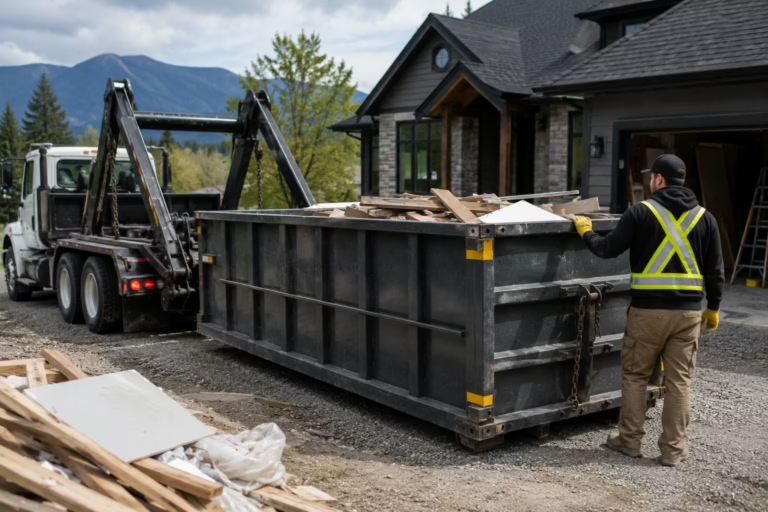
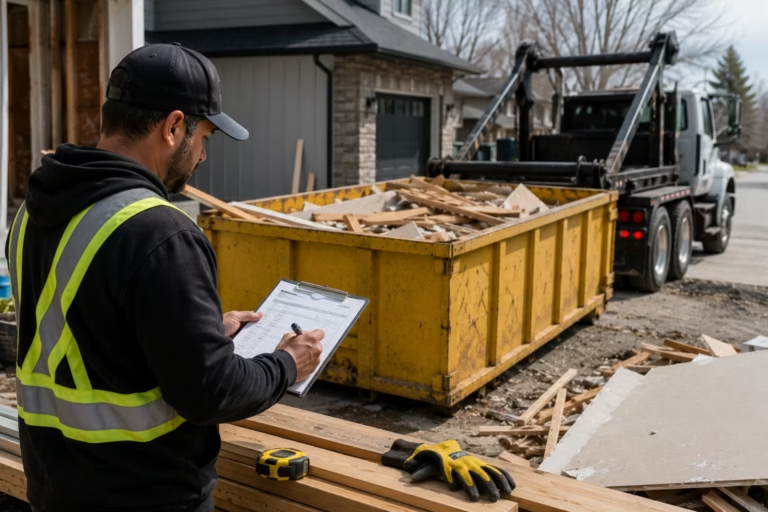
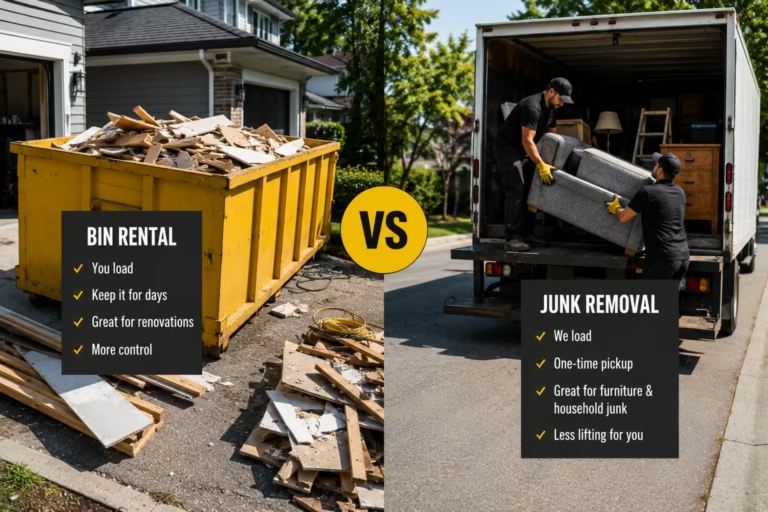
Bin rental is often the better choice when debris will accumulate over several days. A roll-off bin gives the crew a controlled place to load waste as demolition or construction progresses. This is useful for interior renovations, basement projects, roofing preparation, garage conversions, and multi-room remodels.
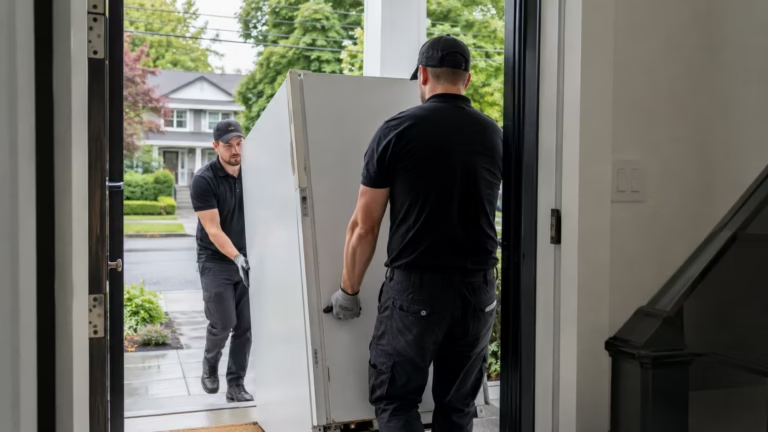
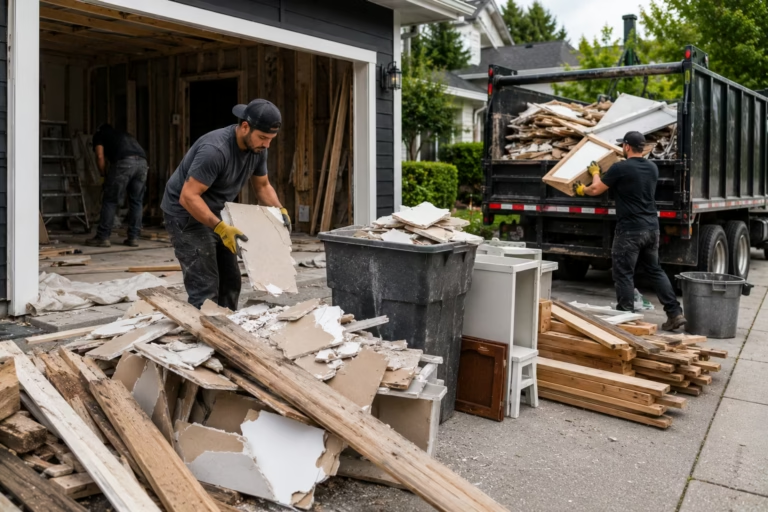
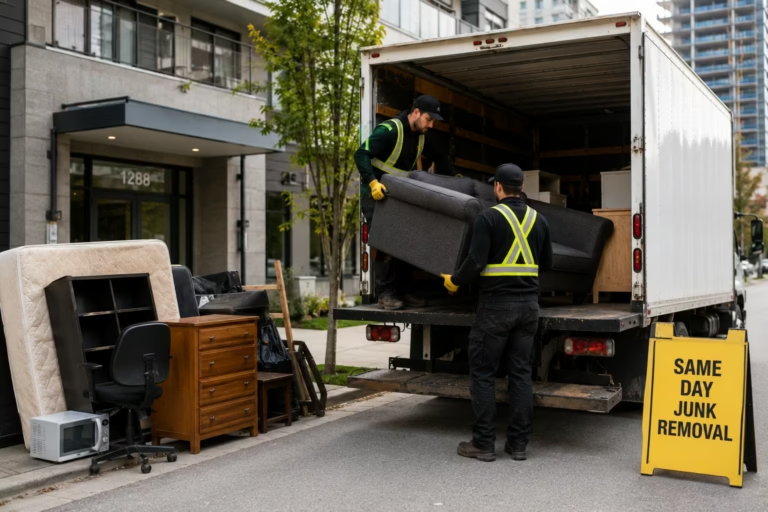
Crew-loaded debris removal is often better when debris is already piled and ready to go. It is also practical when a bin cannot be placed on-site because of parking limits, strata rules, narrow access, or short project windows. In many Vancouver and Lower Mainland properties, this flexibility matters.
Some contractors use both methods. A bin may handle the main demolition phase, while a final crew-loaded pickup removes loose items, leftover packaging, and small debris after finishing. Another project may start with crew-loaded removal for old furniture and fixtures, then use a bin for construction waste.
The best choice depends on project duration, debris type, site access, labour availability, and client requirements. Rocky Junk Removal can help contractors decide whether bin rental, scheduled hauling, or a combined approach is more efficient for the site.
Construction Waste Sorting and Responsible Disposal
Responsible disposal is becoming a larger part of construction project planning. Metro Vancouver’s construction and demolition waste guidance explains that construction, renovation, and demolition materials make up a major share of landfill waste in the region. Contractors can help reduce unnecessary disposal by separating reusable or recyclable materials where practical.
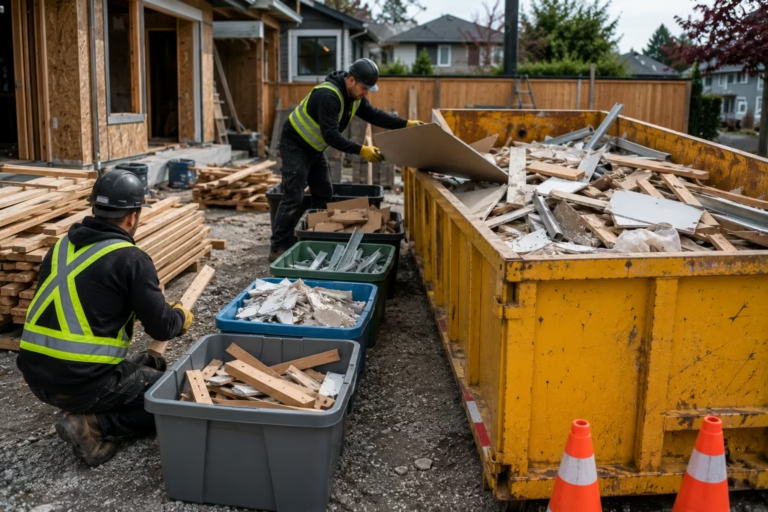
Sorting does not have to be complicated, but it does need planning. Wood, drywall, metal, cardboard, fixtures, and mixed debris should be identified before everything becomes one pile. Even basic separation can make hauling easier and improve the chance that suitable material follows the right disposal or recycling path.
For contractors, sorting also reduces confusion on-site. When crews know where to put wood offcuts, drywall scraps, packaging, and metal, cleanup becomes part of the workflow instead of a separate scramble at the end of the day.
Not every job has the space or schedule for full sorting. In tight sites, the most practical approach may be clear staging, photos, and communication with the hauling provider. The key is to avoid mixing restricted, hazardous, or unknown materials into a standard construction debris load.
Safety Considerations Before Loading Construction Debris
Construction debris can create hazards if it is poorly staged or loaded. Sharp metal, broken tile, exposed nails, glass, heavy fixtures, dust, and unstable piles can injure workers or damage property. Contractors should keep debris piles controlled and away from active work paths when possible.
Overfilled bins are another common safety issue. Debris should not extend above the allowed fill line or hang over the sides. Overfilling can create transport risks and may delay pickup if the load must be adjusted before hauling.
Heavy materials should be loaded carefully. Dense debris can exceed safe limits even when the bin does not look full. Contractors should ask about weight limits before loading tile, concrete, stone, brick, plaster, roofing, or soil.
Hazardous or suspect materials should be separated immediately. Do not sweep, break, cut, sand, or bag unknown materials without assessment. Speed is useful, but safety and compliance come first on any contractor-managed site.
Construction Debris Removal Checklist for Contractors
Use this checklist before booking debris removal or bin rental for a contractor job site:
- List the main debris types expected during the project.
- Separate heavy materials from light bulky debris where practical.
- Identify drywall, flooring, insulation, ceiling texture, and other materials from older buildings before demolition.
- Confirm whether hazardous material assessment is required before removal.
- Choose between roll-off bin rental, crew-loaded hauling, or staged pickups.
- Match the hauling schedule to demolition, rough-in, finishing, and final cleanup milestones.
- Check driveway, lane, street, loading dock, or strata access before booking.
- Take photos of the debris area, access route, and placement location.
- Confirm weight limits for tile, concrete, brick, stone, plaster, roofing, or soil.
- Keep debris piles stable and away from active walkways.
- Avoid overfilling bins or placing material above the fill line.
- Keep hazardous chemicals, asbestos, flammable products, and biohazards out of standard debris loads.
- Schedule final cleanup before client walkthrough, inspection, or handover.
Common Contractor Projects That Need Debris Removal
Interior demolition is one of the most common reasons contractors need debris removal. These projects may include drywall, framing, flooring, doors, trim, cabinets, tile, fixtures, and general renovation waste. A well-timed bin or pickup keeps the stripped-out area ready for the next trade.
Kitchen and bathroom renovations also create mixed debris. Cabinets, counters, vanities, sinks, toilets, tubs, flooring, tile, and drywall can fill a bin quickly. Because some materials are bulky and others are heavy, the removal plan should account for both volume and weight.
Commercial tenant improvements often require fast, organized hauling. Retail shelving, office partitions, flooring, displays, fixtures, and old storage material may need to be removed before new work begins. Rocky Junk Removal’s commercial junk removal service can support contractors working in offices, retail spaces, warehouses, and mixed-use buildings.
Exterior and structural projects can involve heavier material such as wood, concrete, brick, metal, and demolition debris. These jobs need careful planning because heavy loads may require smaller bins, staged pickups, or specific disposal handling.
Restoration and repair projects may involve damaged materials, but contractors should be careful with any material that may be contaminated, hazardous, or unsafe to handle. Standard construction debris removal for contractors does not replace hazardous material remediation or specialized disposal.
How to Coordinate Debris Removal With Subtrades
Subtrade coordination is one of the main reasons debris removal should be planned early. Electricians, plumbers, framers, drywall installers, flooring crews, and finish carpenters all need clear access. If debris sits in the wrong place, trades lose time moving around it or waiting for space.
A practical approach is to identify cleanup points in the project schedule. After demolition, after rough-in cuts, after drywall work, after flooring removal, and before final finishing are common moments when debris should be reviewed. Not every project needs a pickup at every point, but larger jobs benefit from planned cleanup milestones.
Contractors should also decide who is responsible for loading debris. If trades are loading a bin throughout the project, they need clear instructions about what goes where. If Rocky Junk Removal is handling crew-loaded removal, debris should be staged safely and the access path should be clear.
Communication prevents wasted motion. A short note to the crew about what is being removed, what is staying, and what needs special attention can save time on pickup day.
Local Debris Removal Challenges in Vancouver and the Lower Mainland
Vancouver and Lower Mainland job sites often have access constraints. A detached home may have a lane but limited truck clearance. A condo renovation may require elevator protection and loading dock booking. A commercial space may need pickup outside customer hours. A townhouse complex may have strata rules that limit bin placement.
These details affect construction debris removal for contractors. A bin that works well on a large suburban driveway may not work in a downtown loading zone. A same-day truck pickup may be better when space is tight and the debris is ready to go.
Traffic, parking, and neighbourhood access also matter. Contractors should provide accurate location details, preferred timing, and any restrictions that affect the truck or crew. The more the hauling team knows before arrival, the smoother the pickup is likely to be.
Rocky Junk Removal serves contractors across Vancouver, Burnaby, Surrey, Langley, Delta, Richmond, Abbotsford, Maple Ridge, Chilliwack, Pitt Meadows, and surrounding communities. Contractors can review broader service coverage on the Rocky Junk Removal service area page.
What Contractors Should Send Before Booking
A good booking request does not need to be complicated. Contractors should send the project location, debris type, approximate volume, site access details, preferred pickup date, and whether the material is already staged. Photos are especially useful for estimating load size and identifying access concerns.
For bin rental, include the desired placement area and any restrictions such as slope, overhead wires, tight lanes, parked vehicles, or strata requirements. For crew-loaded removal, include details about stairs, elevators, distance from debris to truck, and whether the material is loose, bagged, stacked, or still inside the work area.
If the project involves older buildings, unknown material, or possible hazardous building materials, mention that before booking. This allows the team to clarify what can and cannot be accepted as standard construction debris.
Clear information helps Rocky Junk Removal recommend the right service, avoid delays, and support the contractor’s project schedule more effectively.
Final Cleanup Before Inspection, Turnover, or Client Walkthrough
Final cleanup is often the last impression a contractor leaves. Even strong workmanship can be overshadowed by leftover debris, packaging, offcuts, or clutter around the site. A final debris pickup helps present the project properly before inspection, turnover, or client walkthrough.
This stage is not only about appearance. Loose debris can hide deficiencies, create trip hazards, block access to panels or fixtures, and make it harder for clients to inspect the finished work. Removing the remaining construction waste helps the project close more cleanly.
For contractors managing multiple projects, outsourcing final debris removal can also protect internal labour. Instead of sending skilled workers back for cleanup, a hauling crew can remove the remaining debris and allow the contractor’s team to move on to the next scheduled job.
Book Contractor Debris Removal With a Practical Site Plan
Construction debris removal for contractors works best when the hauling plan matches the project. A small renovation may only need one pickup. A larger demolition may need a bin, a swap-out, and a final cleanup. A commercial project may need scheduled removal outside active business hours.
Rocky Junk Removal can support contractors with bin rental, crew-loaded construction debris removal, renovation debris hauling, commercial cleanouts, and job-site cleanup across the Lower Mainland. The service approach can be adjusted based on debris type, project phase, access, and timing.
To plan a contractor pickup or bin rental, send photos, site details, material type, and preferred timing through the Rocky Junk Removal contact page. Clear project details make it easier to recommend the right removal option and keep the job moving.
Reliable Debris Removal for Lower Mainland Contractors
Construction debris removal for contractors is a practical part of project management. It keeps work areas safer, protects trade sequencing, improves site presentation, and helps avoid last-minute cleanup problems. Contractors who plan debris removal early can reduce downtime and keep projects moving with fewer interruptions.
Rocky Junk Removal provides construction debris removal, garbage bin rental, residential junk removal, and commercial junk removal for contractors, builders, renovators, property managers, and commercial teams across Vancouver, Burnaby, Surrey, Richmond, Delta, Langley, Abbotsford, Maple Ridge, Chilliwack, Pitt Meadows, and the broader Lower Mainland.