Replacing old carpet can completely change the look and feel of a room. But once the new flooring is ready to go in, there is usually one less exciting problem waiting for you: what do you do with the old carpet?
Carpet is bulky, awkward to carry, and rarely fits into a regular household garbage bin. Add underlay, tack strips, staples, and several rooms of flooring, and what looked like a simple renovation can quickly turn into a surprisingly large pile of waste.
If you’re wondering how to dispose of carpet, you have several options. Depending on the condition, material, amount, and disposal services available in your area, old carpet may be reused, donated, recycled, taken to an appropriate disposal facility, or removed by a professional junk removal company.
Below, we’ll break down the most practical ways to deal with old carpet and help you decide which option makes the most sense for your project.
Can You Put Carpet in the Garbage?
Usually, putting a large roll of carpet beside your regular household garbage bin is not the best solution.
Even a single room can produce a bulky roll that is difficult for regular collection crews to handle. If you have removed carpet from an entire apartment, basement, office, or house, the volume becomes even more difficult to manage.
Local waste rules also vary. Some facilities accept carpet as garbage, while others have specific requirements or recommend alternative disposal options. If you live in Vancouver or elsewhere in the Lower Mainland, check the rules of the facility you plan to use before loading up your vehicle.
The good news is that throwing old carpet straight into the garbage is not your only option.
7 Ways to Dispose of Old Carpet
The best carpet disposal method depends on whether the carpet is still usable, how much you have, and whether you are willing to transport it yourself.
1. Reuse the Carpet Around Your Home
Before treating your old carpet as waste, take a closer look at its condition.
Carpet that is being replaced because of a remodel or style change may still have useful sections. Instead of throwing everything away, you may be able to cut clean pieces and use them elsewhere.
Old carpet can sometimes be reused as:
- Garage floor protection
- Workshop flooring
- Mats beneath storage shelves
- Protective padding during a move
- Temporary flooring during renovation work
- Floor protection beneath heavy equipment
- Small utility mats
This option obviously won’t work for carpet that is badly stained, wet, mouldy, contaminated, or heavily worn.
But if the carpet itself is relatively clean, reusing part of it can reduce the amount of material you need to dispose of.
2. Donate Carpet That Is Still in Good Condition
If the carpet has been removed carefully and is still clean, another possibility is donation.
This is more realistic for large carpet remnants, unused carpet rolls, or recently installed material removed during a renovation than it is for heavily used household carpet.
Before driving anywhere, contact the organization first.
Many donation centres have restrictions because used carpeting can be difficult to store and may contain dirt, allergens, pet hair, moisture, or odours. Some organizations will only consider unused flooring material.
Include useful information when contacting a potential recipient:
- Carpet dimensions
- Approximate age
- Material
- Colour
- Overall condition
- Whether it has stains or damage
- Whether the carpet has already been rolled
Sending a few photos can save everyone time.
3. Check Whether the Carpet Can Be Recycled
Carpet is more complicated to recycle than cardboard or metal because it is usually made from several materials bonded together.
A typical carpet can contain synthetic fibres, backing materials, adhesives, latex, and other components. Carpet underlay may be made from yet another material.
That means you normally cannot put carpet into a standard household recycling bin.
However, specialized facilities may be able to recover or process certain types of carpet.
Before taking your carpet to a recycling location, ask:
- Do you currently accept residential carpet?
- Do you accept carpet underlay as well?
- Does carpet need to be separated by material?
- Does it need to be clean and dry?
- Are there minimum or maximum quantities?
- Is there a drop-off fee?
Acceptance policies can change, so checking before making the trip is important.
If recycling is available for your particular material, it is usually worth considering before sending the entire load for disposal.
4. Take the Carpet to an Appropriate Waste Facility
If the carpet cannot realistically be reused, donated, or recycled, it may need to go to an approved waste facility.
For a small amount of carpet, DIY drop-off can be practical.
The harder part is transportation.
Carpet is heavier than it looks, particularly if it has absorbed moisture. Large rolls are also awkward to fit inside a normal passenger vehicle.
If you decide to transport it yourself, cutting the material into smaller sections can make the job significantly easier.
Roll each section tightly and secure it with tape or strong twine. Keeping the carpet contained makes loading easier and prevents loose material from unfolding during transportation.
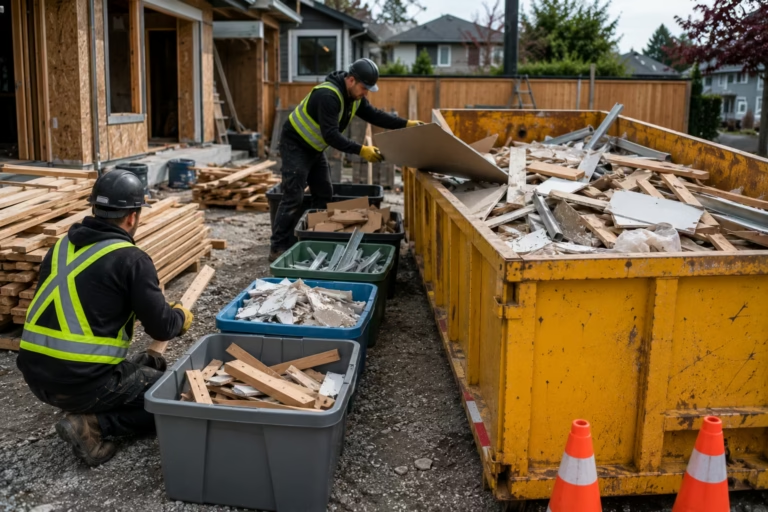
You should also separate renovation materials before leaving.
For example, your flooring project may produce:
- Carpet
- Carpet padding
- Wood tack strips
- Nails
- Staples
- Baseboards
- Packaging
- Other renovation debris
These materials may not all belong in the same disposal stream.
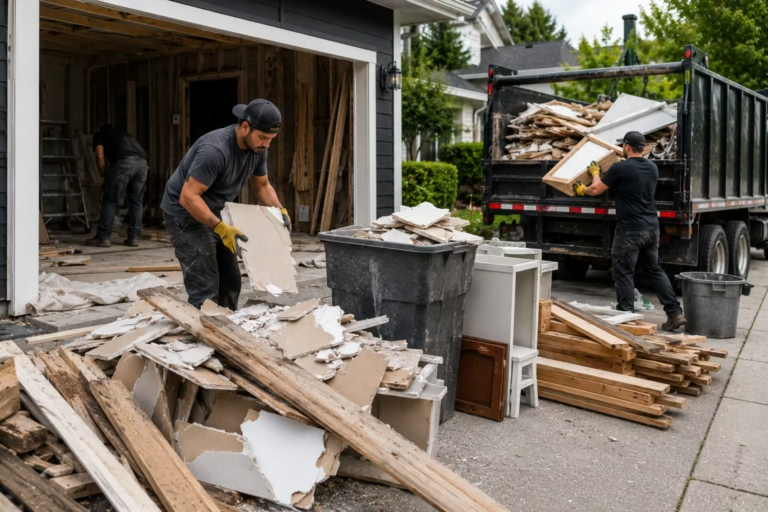
If your carpet replacement is part of a larger remodel, a professional renovation debris removal service may be more practical than making several disposal trips yourself.
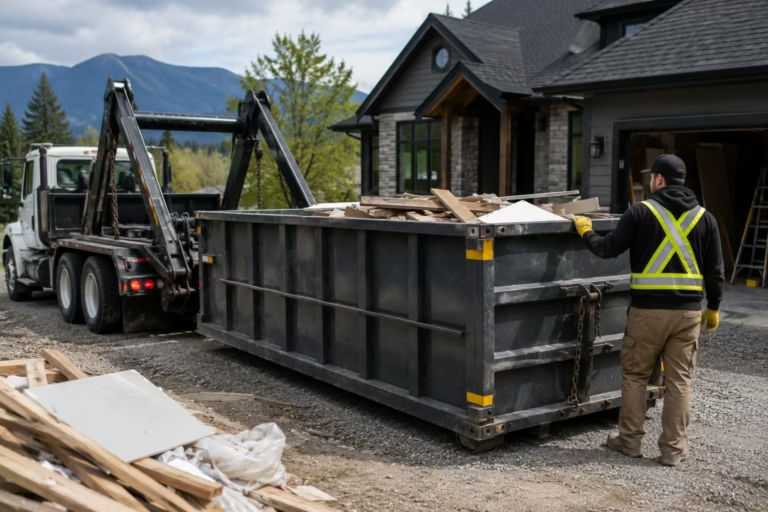
5. Rent a Bin for Larger Flooring Projects
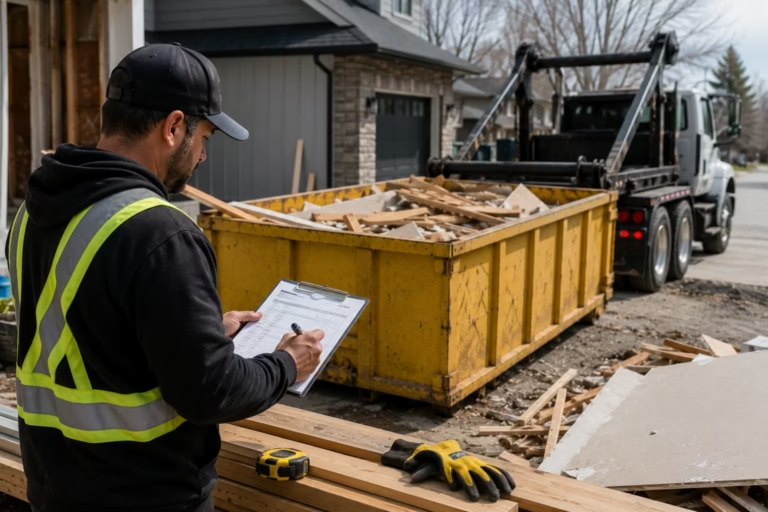
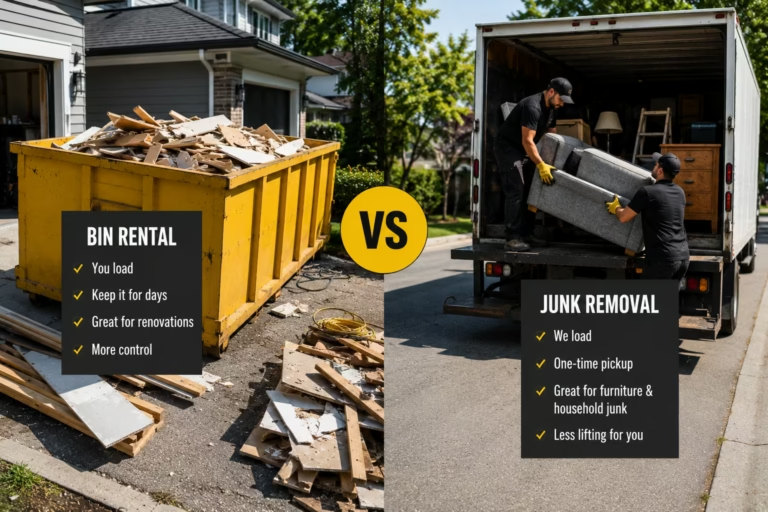
A bin rental in vancouver can make sense when carpet is only one part of a larger cleanup or renovation.
Imagine you are renovating several rooms. Along with the carpet, you might be removing old flooring, damaged trim, cabinets, wood, packaging, and other materials.
At that point, transporting everything yourself can become inefficient.
A bin rental gives you a designated place to keep accepted waste while you work through the project.
This can be particularly useful for:
- Whole-home renovations
- Rental property cleanouts
- Commercial renovations
- Office flooring replacements
- Basement renovations
- Multi-room carpet replacement projects
Before putting carpet or other renovation waste into a rented bin, confirm which materials are accepted. Mixing restricted materials into the load can create additional disposal problems.
For example, hazardous materials should never simply be added to a standard renovation waste bin.
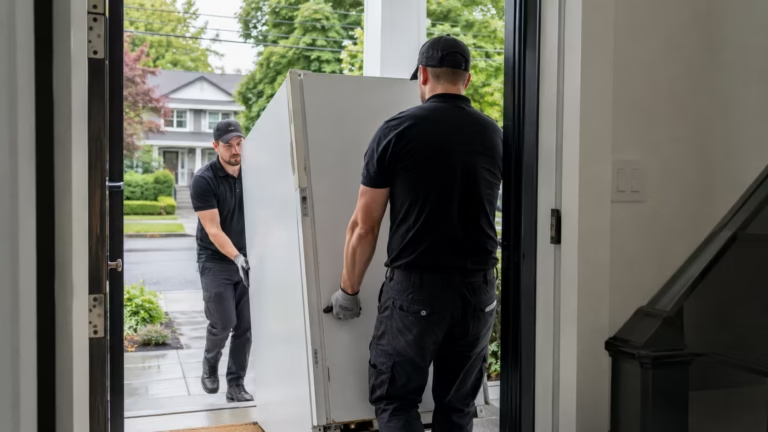
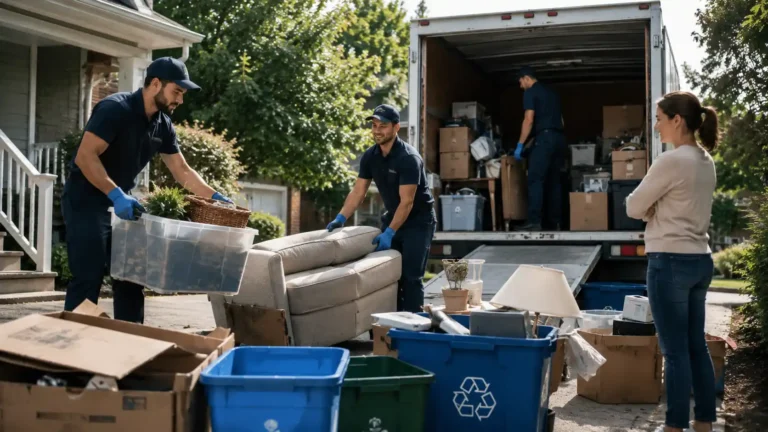
6. Hire a Junk Removal Company
Sometimes the easiest answer to how to dispose of old carpet is simply having someone else remove it.
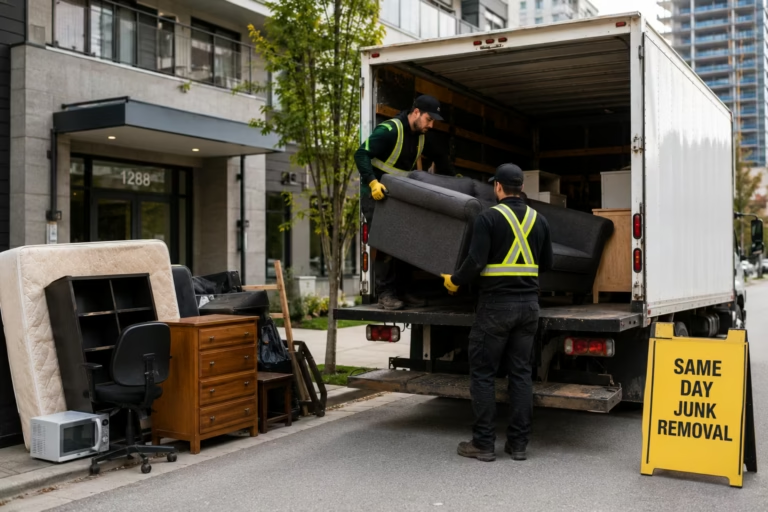
Professional junk removal is particularly useful when you have a large quantity of carpet or don’t have an appropriate vehicle for transporting it.
Instead of cutting, loading, securing, driving, unloading, and making disposal arrangements yourself, a removal crew can handle much of the physical work.
This option makes sense when:
- Carpet was removed from several rooms
- The carpet is very heavy
- You live in an apartment or condo
- Stairs make removal difficult
- You do not own a truck
- Carpet removal is part of a bigger property cleanout
- You also have furniture or household junk to remove
- You want the space cleared quickly
For homeowners dealing with several unwanted items at once, household junk removal can also be more efficient than arranging separate disposal solutions for every item.
Rocky Junk Removal provides junk removal services throughout Vancouver, Burnaby, and surrounding areas of the Lower Mainland, helping homeowners, contractors, property managers, and businesses clear bulky unwanted material without having to handle the transportation themselves.
7. Ask Your Flooring Contractor About Removal
If you are having new flooring professionally installed, ask the installer what happens to your existing carpet.
Some flooring contractors offer removal and disposal as part of the project. Others will remove the material but leave it on the property for the homeowner to dispose of.
Don’t assume disposal is included.
Before the installation date, ask:
“Does your quote include removing and disposing of the existing carpet and underlay?”
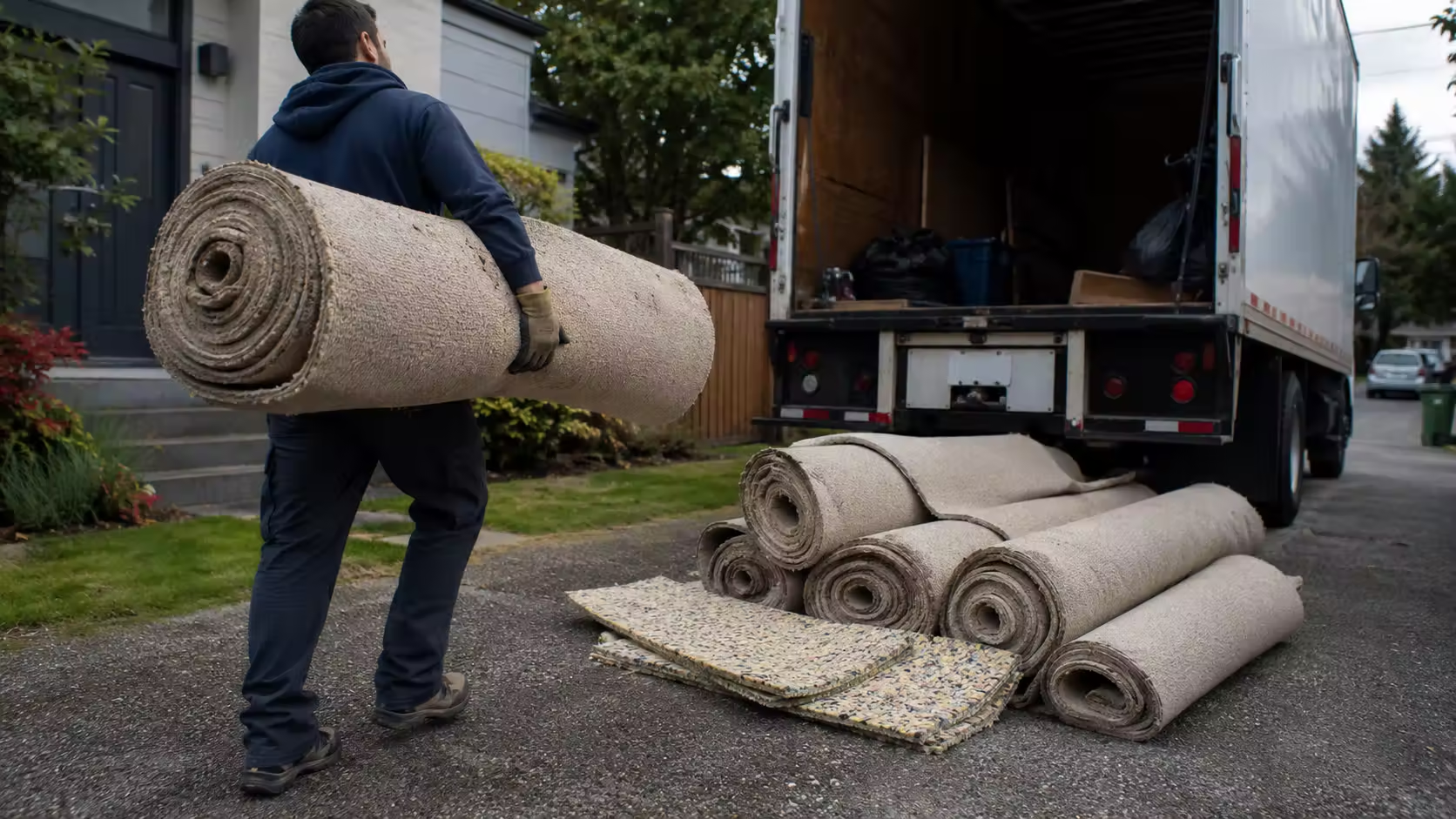
A quick question can prevent you from discovering several rolls of unwanted carpet sitting in your driveway after the installation crew leaves.
If disposal isn’t included, schedule your junk pickup or bin rental ahead of time so the old flooring doesn’t remain on the property longer than necessary.
How to Prepare Old Carpet for Disposal
If you’re handling the carpet yourself, preparing it properly can make removal much easier.
Start by clearing the room completely.
Remove furniture and anything else sitting on the carpet before attempting to lift it.
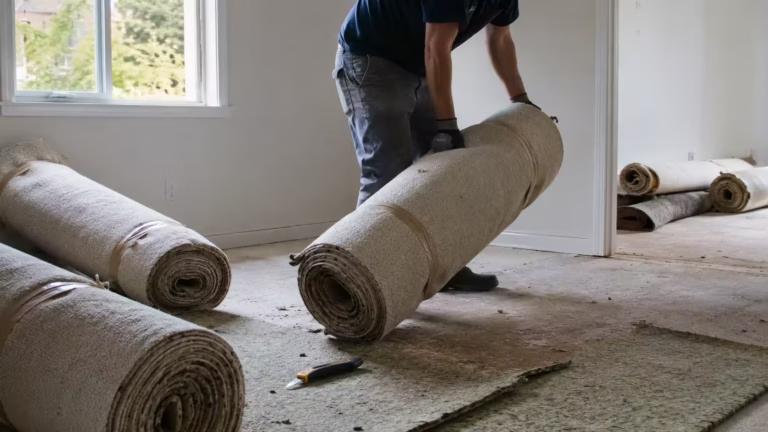
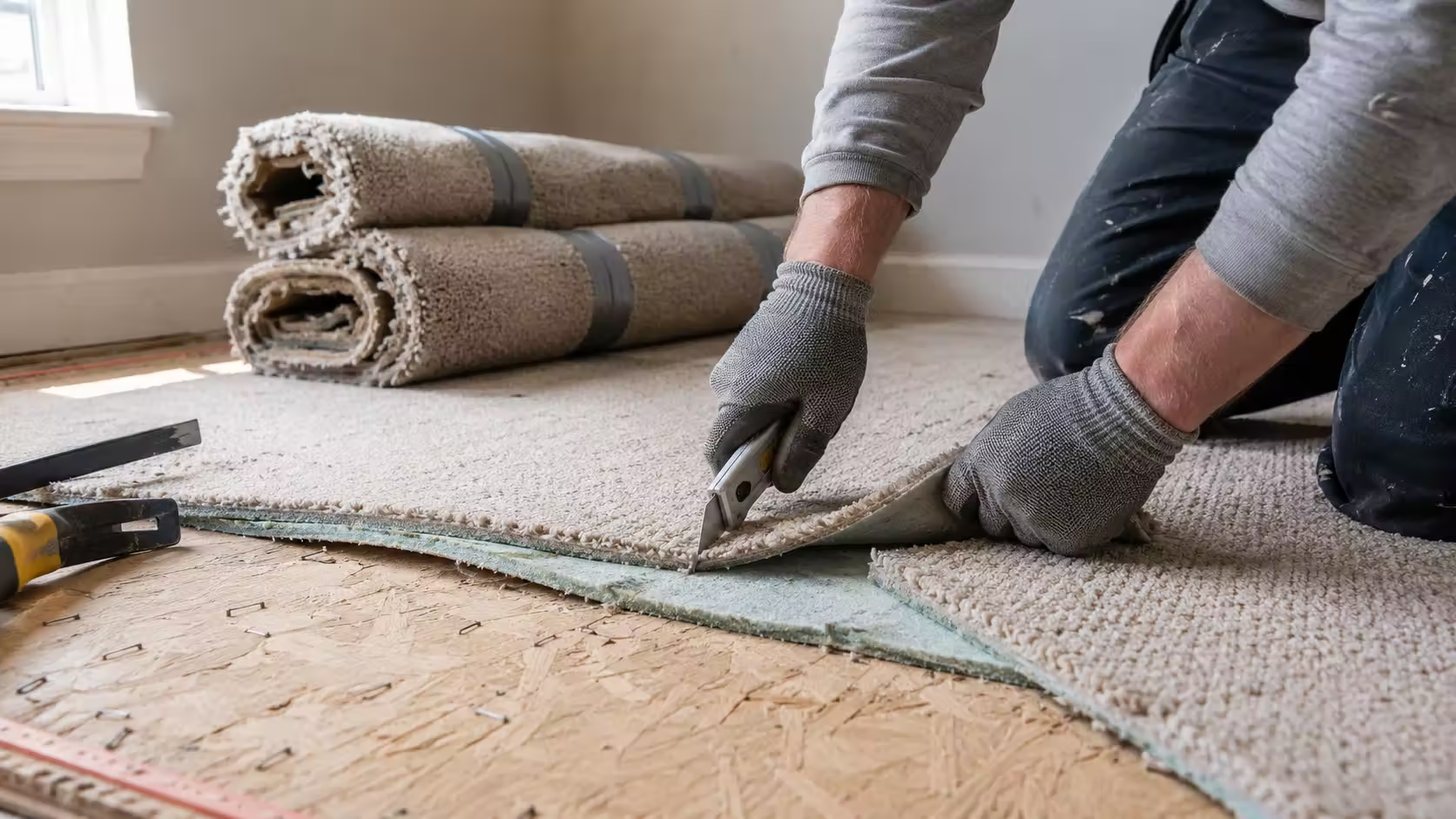
Then work from an edge or corner. Once the carpet is detached, cutting it into manageable strips is often much easier than attempting to move one enormous piece.
A practical process looks like this:
- Remove furniture from the room.
- Pull the carpet away from the edges.
- Cut it into manageable sections.
- Roll each section tightly.
- Secure each roll with tape or twine.
- Remove the underlay separately.
- Collect loose staples and nails.
- Handle tack strips carefully.
- Keep the material dry until disposal.
Wear work gloves while handling carpet and tack strips. Tack strips contain sharp nails, and loose staples can easily cause injuries.
For larger projects, eye protection and sturdy footwear are also a sensible precaution.
What About Carpet Underlay?
Don’t forget about the material underneath the carpet.
Carpet underlay or padding can create almost as much mess as the carpet itself, particularly if it breaks apart while being removed.
Depending on the product, carpet padding may contain foam, rubber, fibre, or other materials.
Some recycling facilities may treat padding separately from the carpet itself, so don’t automatically assume both materials should go to the same destination.
Keeping carpet and padding separate during removal makes sorting easier later.
What If the Carpet Is Wet or Mouldy?
Wet or mould-contaminated carpet requires more caution than ordinary flooring.
If a carpet has been affected by flooding, sewage, extensive mould, or another potentially hazardous contamination, avoid treating it like normal household junk until you understand the source of the contamination.
In some situations, professional remediation may be necessary.
This is especially important after sewage backups or significant water damage.
Don’t attempt to donate or reuse contaminated carpet.
The safest disposal method will depend on what caused the contamination and the requirements of your local disposal facility.
Can You Burn Old Carpet?
No.
Burning carpet is not an appropriate disposal method.
Many modern carpets contain synthetic fibres, adhesives, backing materials, and chemical treatments. Burning these materials can produce harmful smoke and pollutants.
Old carpet should be reused, recycled where possible, or taken through an appropriate waste disposal route instead.
Is Carpet Considered Renovation Debris?
Carpet removed during flooring replacement or remodeling is often part of a larger renovation waste load.
A flooring project can quickly generate much more material than expected.
Along with the carpet itself, you may end up with trim, wood, flooring scraps, packaging, old furniture, damaged baseboards, and other debris.
If that’s the case, deciding between bin rental or junk removal can help you choose a cleanup method that better matches the size and pace of your project.
Instead of figuring out a separate destination for every bulky item, you can choose the option that makes the most sense based on the amount of waste, available space, and how quickly you want the property cleared.
DIY Carpet Disposal vs. Professional Removal
For one small bedroom, DIY disposal may be perfectly reasonable.
Cut the carpet into manageable rolls, check your local disposal requirements, load your vehicle, and drop it off.
But the situation changes quickly when you’re dealing with multiple rooms.
Think about the entire process:
You need to remove the carpet, cut it, roll it, carry it through the property, get it down stairs or through hallways, load it into a vehicle, secure the load, drive to the appropriate facility, unload everything, and then clean the vehicle.
For a large project, that can turn into several hours of work.
Professional junk removal may cost more than doing everything yourself, but it can save considerable time and physical effort.
The right choice depends on the size of the job.
How Much Does Carpet Disposal Cost?
There isn’t one fixed price for disposing of carpet.
The total cost can depend on:
- Amount of carpet
- Weight
- Disposal facility
- Transportation
- Labour required
- Number of stairs
- Distance from the loading area
- Additional renovation debris
- Whether professional pickup is required
If you’re disposing of the material yourself, your main costs may include facility fees, fuel, vehicle rental, and your time.
With professional junk removal, pricing is commonly influenced by the volume and type of material as well as accessibility.
For larger projects, requesting a quote based on photos can make it easier to estimate the amount of material that needs to be removed.
How to Dispose of Carpet Responsibly in Vancouver
If you live in Vancouver, Burnaby, or elsewhere in the Lower Mainland, avoid assuming that every waste facility handles carpet in exactly the same way.
Check current local disposal requirements first.
Depending on the condition and material, your best option may be reuse, recycling, an approved waste facility, a bin rental, or professional pickup.
It is also worth separating other materials from your carpet load whenever possible. Renovation projects often contain recyclable or restricted materials that should not simply be mixed together.
Responsible disposal isn’t about claiming that everything can be recycled. Sometimes material genuinely has reached the end of its useful life.
The goal is to identify reusable or recyclable material where practical and dispose of the remainder through an appropriate waste stream.
Need Help Getting Rid of Old Carpet?
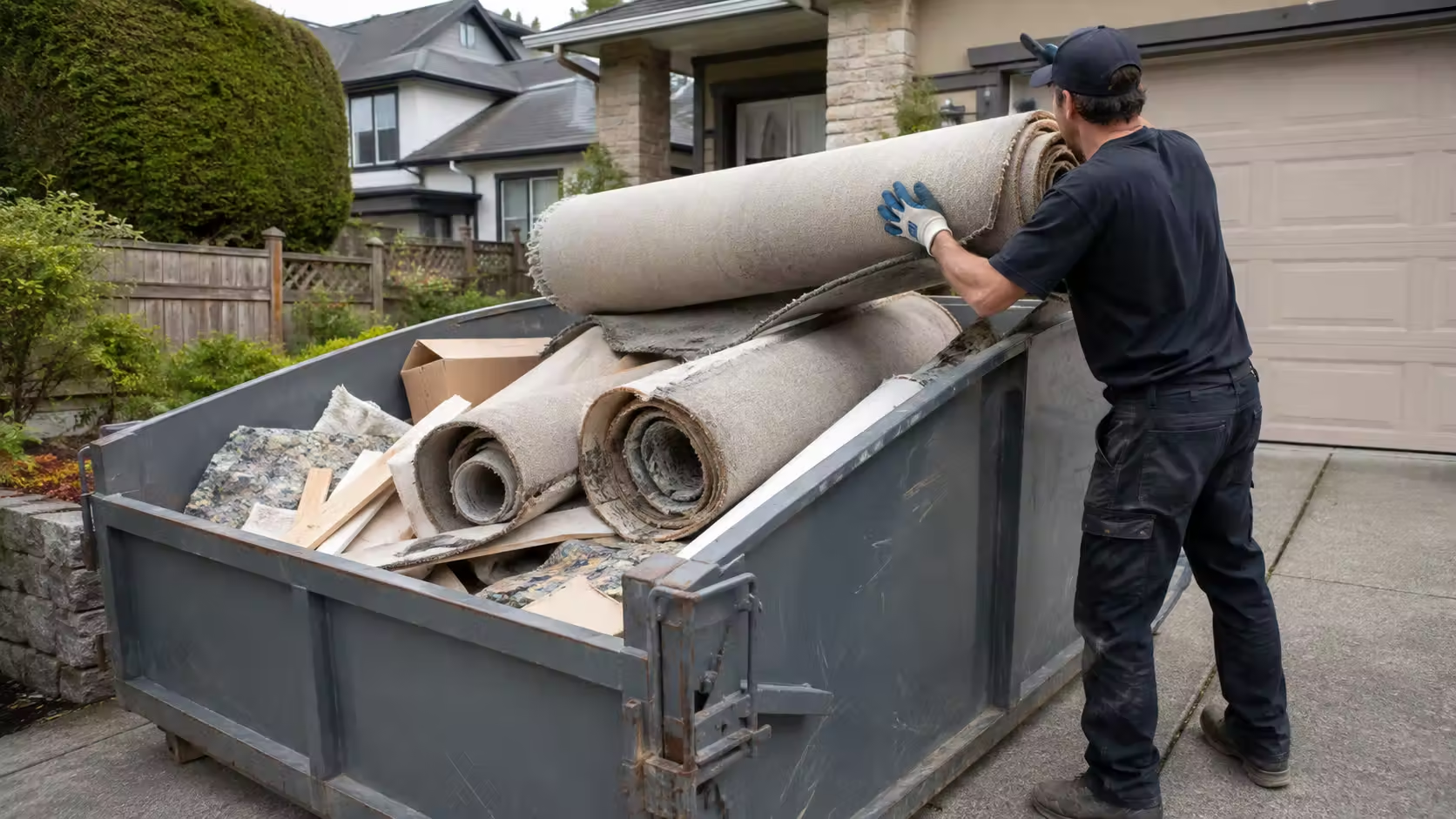
Removing the carpet is only half the job.
Once several heavy rolls are sitting in your hallway, garage, basement, or driveway, figuring out how to transport them can become the bigger problem.
If you’re replacing flooring in Vancouver, Burnaby, or elsewhere in the Lower Mainland, Rocky Junk Removal can help remove bulky carpet and other accepted household or renovation debris.
Whether you’re clearing one property or dealing with a larger renovation, professional pickup can save you the lifting, loading, transportation, and disposal trip.
If you already have your carpet removed, gather the material in an accessible location if possible and contact Rocky Junk Removal for a quote.
Final Thoughts
Knowing how to dispose of carpet comes down to one simple question: is the material still useful, recyclable, or ready for final disposal?
Start with reuse if the carpet is still in reasonable condition. Look into donation or recycling when appropriate. For material that has reached the end of its life, confirm your local disposal requirements before taking it to a waste facility.
And if you’re dealing with several rooms of carpet, stairs, heavy rolls, or other renovation debris at the same time, don’t underestimate the amount of work involved.
Sometimes the easiest solution is to remove the carpet, roll it up, and let a professional junk removal crew take it from there.
Frequently Asked Questions About Carpet Disposal
1. Can I put old carpet in my regular garbage bin?
Small quantities may be handled differently depending on your local collection rules, but large carpet rolls are generally too bulky for normal household garbage collection. Check your municipality’s current requirements before putting carpet out for collection.
2. Can old carpet be recycled?
Some types of carpet can be processed by specialized recycling facilities. Availability depends on the carpet material and facilities operating in your area. Carpet generally should not be placed in ordinary curbside recycling.
3. Can I donate used carpet?
Possibly, but only if it is clean and in genuinely usable condition. Donation organizations often have strict acceptance policies, so always contact them before delivering used carpet.
4. Should carpet be cut before disposal?
Cutting carpet into smaller strips and rolling them tightly can make transportation considerably easier. Secure the rolls with tape or twine so they remain manageable.
4. What should I do with carpet padding?
Keep carpet padding separate where possible. Different types of padding may have different recycling or disposal options.
5. Can a junk removal company take old carpet?
Professional junk removal companies commonly handle bulky household and renovation materials such as old carpeting, depending on the material’s condition and the company’s acceptance policy. This can be particularly useful when multiple rooms of carpet need to be removed.