Safe Gypsum Waste Planning Before Renovation Cleanup
Drywall disposal rules in British Columbia matter because drywall is not always treated like ordinary construction waste. New drywall cutoffs, used drywall, painted drywall, mudded drywall, and older drywall from renovation or demolition projects can all be handled differently depending on the source, condition, local facility rules, and asbestos risk.
For homeowners, contractors, landlords, and property managers, this can affect more than disposal. It can affect whether a bin is appropriate, whether the load will be accepted, whether material must be separated, and whether testing or qualified assessment is needed before work continues.
Rocky Junk Removal supports residential, commercial, and construction clients across Vancouver, Burnaby, Surrey, Richmond, Delta, Langley, Abbotsford, Maple Ridge, Chilliwack, Pitt Meadows, and the broader Lower Mainland. This guide explains the practical disposal rules, planning steps, and safety considerations that should come before drywall removal or drywall hauling.
Why Drywall Disposal Is More Complicated Than Regular Debris
Drywall, also called gypsum board, is common in almost every renovation project. A small wall repair may produce only a few offcuts. A basement renovation, suite turnover, commercial improvement, or demolition job can produce a large volume of broken sheets, joint compound, tape, screws, dust, and mixed construction debris.
The challenge is that drywall is not always the same type of waste. Clean, unused drywall from new construction may be accepted for recycling at some facilities. Used drywall that has been installed, painted, taped, mudded, textured, or removed from an older building may need different handling.
Drywall disposal rules in British Columbia also connect to asbestos risk. Older drywall systems may include asbestos-containing joint compound, tape, texture, or related materials. Disturbing suspect material during renovation or demolition can create health and safety concerns.
This is why drywall should be reviewed before it is loaded into a bin, mixed with other debris, or hauled away. A fast cleanup is useful, but it must be planned around the type of drywall being removed.
7 Essential Drywall Disposal Rules in British Columbia
The exact process can vary by municipality and disposal facility, but these seven rules provide a practical framework for planning drywall removal in British Columbia.
1. Separate new drywall from used drywall
New drywall usually means clean cutoffs from new construction that were never installed. These pieces should not have tape, mud, paint, texture coating, insulation, or contamination. In many cases, clean new gypsum can be handled differently from used drywall.
Used drywall is drywall that has already been installed or removed from a building. It may include paint, mud, tape, texture, dust, fasteners, or unknown material history. Because used drywall can carry asbestos risk, it should not be treated the same way as clean new cutoffs.
2. Do not mix drywall with general renovation waste without checking rules
Drywall disposal rules in British Columbia can require drywall to be separated from other debris. If drywall is mixed into a general construction load, the entire load may become harder to sort, inspect, or dispose of properly.
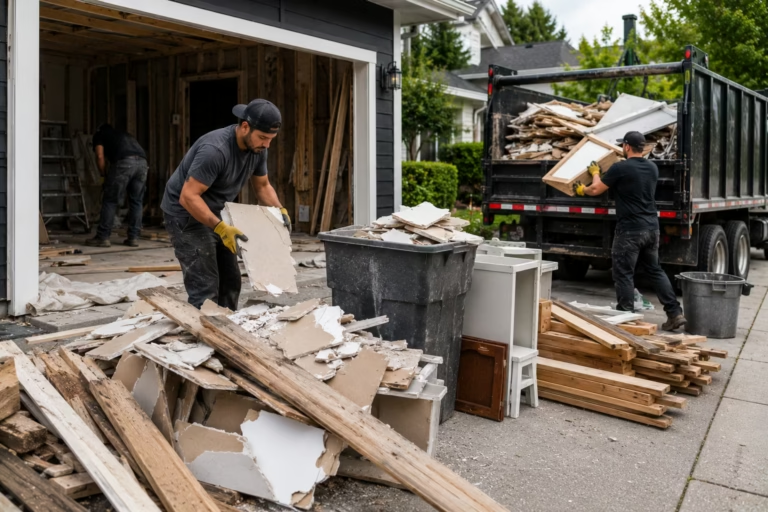
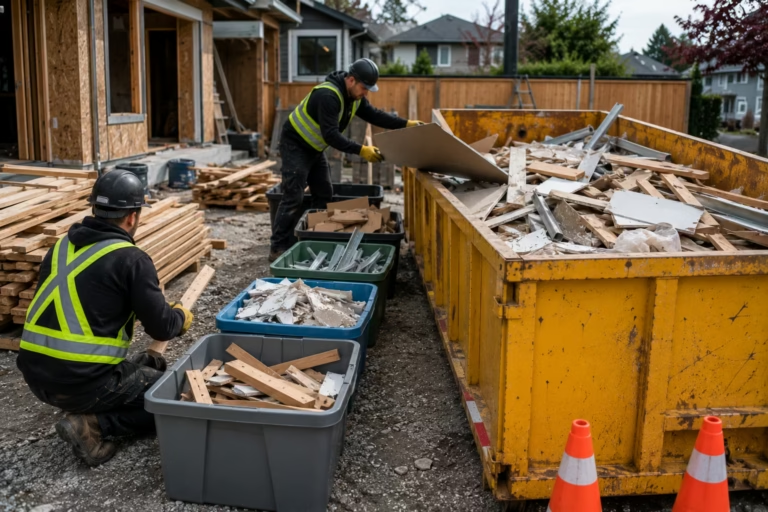
For contractors, this matters on active job sites. If drywall scraps, wood, flooring, tile, insulation, and general debris are all thrown together, disposal becomes less predictable. Separating drywall early can reduce delays and make hauling easier to plan.
3. Treat older drywall as a potential asbestos concern until assessed
Drywall from older buildings should be approached carefully. The drywall board itself is not the only concern. Joint compound, tape, texture coating, and related wall materials may be the issue.
WorkSafeBC provides asbestos guidance for renovation and demolition work in British Columbia. Their asbestos safety information explains why older building materials should not be disturbed casually when asbestos may be present.
4. Homeowner rules and contractor rules may not be the same
One of the most common mistakes is assuming a rule for homeowners also applies to contractors. Some public disposal programs allow residents to drop off certain used drywall from their own homes, but do not accept used drywall from contractors or businesses under the same program.
If you are a contractor, property manager, restoration company, commercial tenant, or builder, confirm the rules that apply to your waste source before loading drywall. The source of the material can matter as much as the material itself.
5. Bagging requirements can be specific
Used drywall may need to be double-bagged, sealed, labelled, or handled in specific bags depending on the facility and program. Some locations require specific bag thickness, closure methods, or clear used gypsum program bags.
Metro Vancouver’s used gypsum disposal program provides detailed instructions for used gypsum bagging and drop-off. Always check the current facility instructions before bringing drywall to a disposal location.
6. Do not scrape, sand, or separate mud from old drywall
Trying to remove drywall mud, tape, or texture from used drywall can be dangerous if asbestos is present. It can also create dust and make the material harder to manage safely.
If the goal is to make the material look like clean drywall, stop and reassess. Clean new drywall is different from used drywall. Altering used drywall does not make it new, and disturbing old compound may increase risk.
7. Plan disposal before demolition begins
The best time to think about drywall disposal is before the first sheet is removed. Once drywall is broken, stacked, mixed, or spread through a work area, the job becomes more difficult to control.
A good plan identifies the age of the building, the type of drywall, whether testing is needed, where the material will be staged, whether a bin is suitable, and who will handle the final removal. Good planning keeps drywall disposal rules in British Columbia from becoming a last-minute project delay.
What Is the Difference Between New Drywall and Used Drywall?
New drywall usually refers to clean gypsum board that has never been installed. These are often offcuts from new construction or renovation work. New drywall should be free from tape, compound, paint, texture coating, insulation, screws, nails, and contamination.
Used drywall has already been installed or removed from a wall or ceiling. It may include joint compound, tape, paint, texture, fasteners, dust, and other building materials. It may also come from an older building where asbestos risk has to be considered.
This distinction is central to drywall disposal rules in British Columbia. New drywall may be recyclable through certain approved channels. Used drywall is usually treated with more caution because its history and material composition are less predictable.
For practical cleanup planning, do not mix new cutoffs with used demolition drywall. Keep clean new drywall separate from removed wallboard. This gives the disposal provider or facility a clearer material stream to inspect and manage.
Can Drywall Go in a Rental Bin in BC?
Drywall may be allowed in some rental bins only when the provider has confirmed the material type, source, condition, and disposal path. It should not be assumed that any drywall can go into any bin.
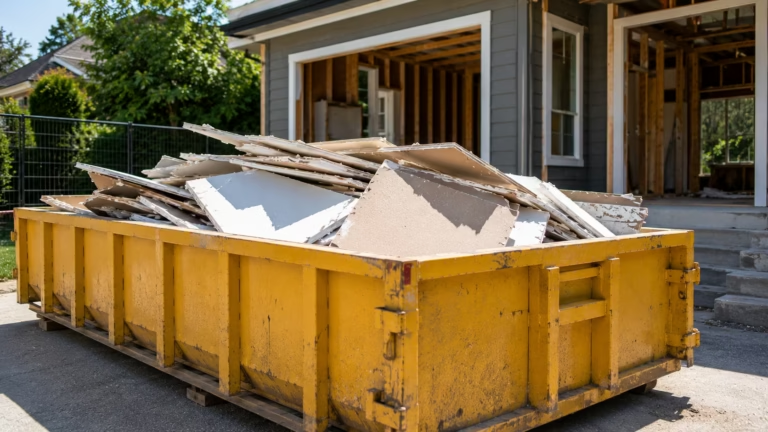
If the drywall is clean, new, and never installed, it may be easier to plan for recycling or separate hauling. If the drywall is used, painted, mudded, textured, or from an older building, the bin provider may need additional details before accepting it.
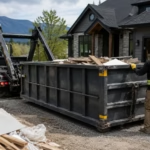
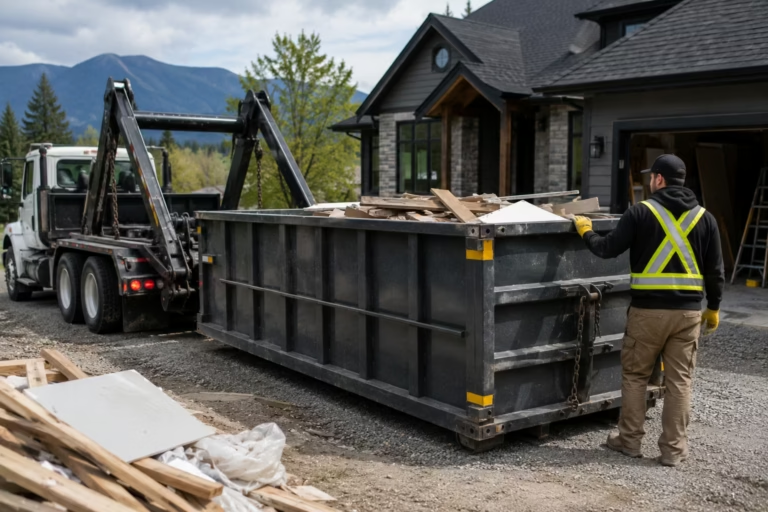
For mixed renovation debris, a bin can be useful when the materials are accepted and properly sorted. Rocky Junk Removal provides garbage bin rental for renovation and construction projects where debris needs to be contained on-site.
However, a bin is not a substitute for hazardous material assessment. If drywall may contain asbestos or is connected to suspect materials, testing or qualified review should happen before removal, bagging, hauling, or bin loading.
Why Pre-1990 Drywall Needs Special Caution
Many drywall disposal questions in British Columbia come from older homes and commercial spaces. Buildings from earlier decades may include asbestos-containing materials in wall systems, ceiling texture, insulation, flooring, pipe wrap, or other building products.
For drywall specifically, the concern often relates to joint compound, tape, mud, or textured finishes. A wall may look ordinary, but the risk cannot be confirmed by appearance alone. Age, renovation history, and material testing matter.
This is why contractors and homeowners should not rush into drywall removal in older buildings. Cutting, breaking, sanding, sweeping, or bagging suspect material can create dust and exposure concerns. The safer approach is to stop, assess, and follow the correct process.
Drywall disposal rules in British Columbia should be read together with asbestos safety requirements. Disposal planning and worker safety are connected, especially when demolition or renovation involves older structures.
Drywall Disposal for Homeowners
Homeowners handling small drywall projects should start by identifying whether the drywall is new or used. A few clean offcuts from newly installed board are different from drywall removed from an older basement, bathroom, ceiling, or suite renovation.
If the drywall has been installed, it should be treated as used drywall. Homeowners should check local disposal facility rules before transporting it. Requirements can include proper bagging, sealing, labelling, quantity limits, and specific drop-off locations.
Homeowners should also be careful with building age. If the home is older or the drywall has old mud, tape, texture, or unknown layers, do not disturb it without considering asbestos risk. A small job can still create a problem if suspect material is broken or sanded.
If the drywall is part of a broader cleanup, Rocky Junk Removal’s residential junk removal service can help with accepted household junk, furniture, appliances, and non-hazardous renovation debris. Drywall details should be discussed before pickup so the job is planned correctly.
Drywall Disposal for Contractors and Renovation Crews
Contractors have a higher duty to plan drywall handling before work begins. The project may involve workers, clients, tenants, neighbours, inspectors, and multiple trades. If drywall disposal is not planned, it can delay demolition, rough-in, finishing, and final cleanup.
For contractors, drywall disposal rules in British Columbia require more than knowing where the nearest transfer station is. The contractor should understand material source, building age, possible asbestos risk, sorting requirements, and whether the disposal route accepts contractor-generated drywall.
Contractor drywall waste should be staged carefully. Keep drywall separate from wood, tile, flooring, general junk, insulation, and scrap metal where practical. If the project includes both new cutoffs and used demolition drywall, keep those streams apart.
Rocky Junk Removal supports contractors through construction debris removal services for accepted construction and renovation materials. When drywall is involved, the safest approach is to provide photos, building age, project details, and material condition before booking.
Drywall Disposal for Property Managers and Commercial Sites
Property managers often deal with drywall during tenant improvements, suite repairs, water damage work, commercial turnover, and building maintenance. These projects can involve occupied buildings, shared loading areas, elevators, and time-sensitive access windows.
Commercial drywall waste should not be treated like a simple household drop-off. The source of the waste, the contractor involved, the building age, and the facility rules all matter. Used drywall from commercial or contractor sources may not qualify for residential disposal programs.
Before work begins, property managers should confirm whether the building has hazardous material records, prior asbestos surveys, renovation history, or strata/property procedures. For older buildings, drywall disturbance should be reviewed before demolition or repair work proceeds.
For offices, warehouses, retail spaces, and tenant improvements, Rocky Junk Removal’s commercial junk removal service can support accepted non-hazardous cleanout material. Drywall or suspect building debris should be discussed separately before scheduling removal.
Drywall Disposal Rules in British Columbia Checklist
Use this checklist before removing, loading, hauling, or disposing of drywall:
- Confirm whether the drywall is new, unused cutoff material or used drywall removed from a building.
- Keep new drywall separate from used drywall.
- Identify the age of the building before disturbing drywall, mud, tape, or ceiling texture.
- Do not sand, scrape, break, or separate old drywall compound to make disposal easier.
- Check whether asbestos testing or qualified assessment is needed before demolition.
- Confirm whether the disposal program accepts homeowner drywall, contractor drywall, or commercial drywall.
- Follow local bagging, sealing, labelling, and quantity requirements for used drywall.
- Do not place hazardous, asbestos-containing, flammable, chemical, or biohazard material in a standard junk or bin load.
- Ask your bin provider whether drywall is accepted before loading it.
- Take photos of the drywall, project area, and debris pile before requesting hauling.
- Separate drywall from wood, flooring, tile, furniture, and general junk where practical.
- Keep drywall debris dry and contained to reduce dust and handling problems.
- Plan pickup or disposal before demolition starts, not after the work area is full.
Common Mistakes With Drywall Disposal
The first mistake is assuming drywall can go in regular garbage. Drywall is often subject to special rules because it is gypsum-based construction material and may include installed finishes, compound, tape, or asbestos risk.
The second mistake is mixing drywall with all other renovation debris. Once drywall is mixed with wood, flooring, tile, fixtures, insulation, and general waste, it becomes harder to inspect and manage. Separation is usually the cleaner approach.
The third mistake is confusing new drywall with used drywall. A clean cutoff from a new sheet is not the same as a painted wall section removed from a 1970s basement. Disposal rules, safety concerns, and facility requirements can be different.
The fourth mistake is trying to remove mud, tape, or texture from old drywall. This can increase dust and may create asbestos exposure risk. It is better to assess the material properly than to disturb it for convenience.
The fifth mistake is booking a bin without explaining the drywall. Drywall disposal rules in British Columbia can affect whether the material is accepted, whether it needs to be separated, and whether extra planning is required. Tell the bin provider what type of drywall you have before loading starts.
Project Examples: How Drywall Rules Affect Real Cleanups
A new basement framing and drywall job may produce clean offcuts from recently purchased gypsum board. If the drywall has never been installed and has no mud, tape, paint, or coating, the disposal path may be simpler than demolition drywall.
A bathroom renovation in an older home is different. The drywall may include old joint compound, paint, tile backing, texture, and unknown material history. Before removal, the homeowner or contractor should consider building age and whether testing is needed.
A commercial tenant improvement may involve both new cutoffs and used wall demolition. The contractor should keep these streams separate. Used drywall from commercial work may need a different disposal plan than homeowner-generated drywall.
A water damage repair may involve drywall that is wet, damaged, or connected to other materials. Moisture, contamination, age, and building history all matter. In these cases, drywall disposal rules in British Columbia should be reviewed before debris is loaded into a general bin.
A full interior strip-out may produce drywall, flooring, cabinets, trim, doors, insulation, and fixtures all at once. For larger renovation debris, Rocky Junk Removal can help plan accepted material hauling through its renovation debris removal service.
How to Prepare Drywall for Pickup or Bin Rental
Preparation starts with identification. Is the drywall new or used? Has it been installed? Does it have mud, tape, paint, texture, or other materials attached? What year was the building built or last renovated? These questions shape the disposal plan.
Next, keep the material organized. Stack drywall pieces in a contained area and avoid spreading dust through the property. If bagging is required by a facility or program, follow the current bagging instructions exactly. Do not improvise with bags or closures that do not meet requirements.
For contractor sites, assign one staging area for drywall and keep it separate from wood, scrap metal, flooring, tile, and general debris. This makes it easier to photograph, inspect, quote, and remove.
For homeowners, do not carry loose suspect drywall through finished living areas if it may create dust. If the material may contain asbestos, stop and arrange proper assessment before handling continues.
When to Use Professional Drywall Removal Support
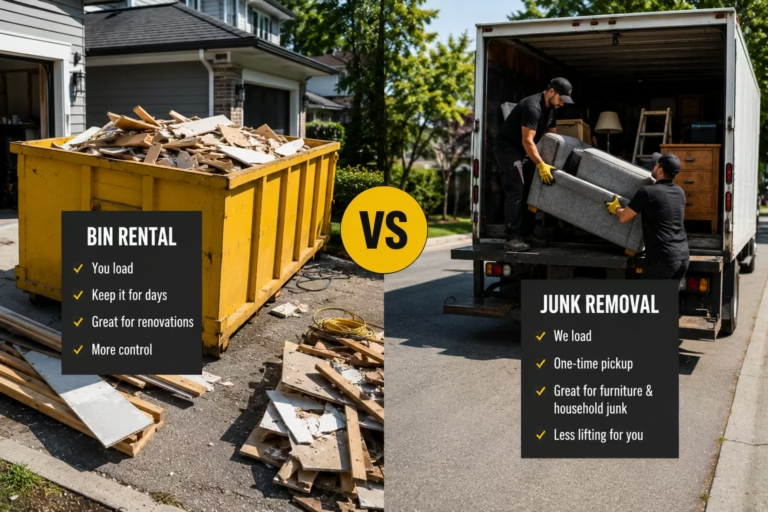
Professional support is useful when the drywall is part of a larger debris load, when lifting is difficult, when the site has limited access, or when the disposal process is unclear. A professional hauling company can help coordinate accepted debris removal and recommend whether bin rental or crew-loaded removal is more practical.
For example, a contractor may need drywall scraps cleared before the next trade arrives. A property manager may need a unit cleaned quickly between tenants. A homeowner may need renovation debris removed after a weekend project. In each case, the service plan depends on the material type and site conditions.
However, standard junk removal does not replace hazardous material remediation. Rocky Junk Removal does not accept asbestos, hazardous chemicals, flammable products, or biohazard materials as part of standard hauling. If drywall is suspect or confirmed asbestos-containing material, it requires the appropriate assessment, abatement, and disposal process.
For accepted drywall-adjacent renovation debris, wood, non-hazardous construction waste, and general cleanup material, a professional crew can help reduce lifting, improve site organization, and keep the project moving.
Local Service Planning Across the Lower Mainland
Drywall disposal rules in British Columbia are shaped by provincial safety obligations, regional facility requirements, municipal procedures, and the source of the waste. That is why the same pile of drywall may need different handling depending on whether it came from a homeowner project, a contractor job, a commercial site, or an older building.
In Vancouver, Burnaby, Richmond, Delta, Surrey, Langley, Coquitlam, Abbotsford, Maple Ridge, Chilliwack, Pitt Meadows, and nearby communities, access also matters. A detached home with a driveway may be easier to service than a condo renovation with elevator rules or a commercial unit with a tight loading bay.
Before booking, send photos of the drywall, explain whether it is new or used, identify the building age if known, and describe the access conditions. This helps Rocky Junk Removal recommend the right path for accepted materials and avoid scheduling problems.
You can review Rocky Junk Removal’s broader local coverage through the service area page.
Plan Drywall Cleanup Before It Delays the Job
Drywall disposal should be part of the renovation plan, not an afterthought. The right approach protects the schedule, keeps debris contained, reduces confusion at disposal facilities, and helps avoid unsafe handling of older building materials.
If your project involves drywall, renovation debris, construction cleanup, or bin rental, gather the basic details first: material type, building age, photos, access, estimated volume, and whether the drywall is new or used. Those details make the next step clearer.
For accepted non-hazardous renovation debris, Rocky Junk Removal can help with bin rental, construction debris removal, residential junk removal, and commercial cleanouts. To discuss a project, send the details through the Rocky Junk Removal contact page.
Drywall Disposal Rules in British Columbia: Final Takeaway
Drywall disposal rules in British Columbia are important because drywall can fall into different categories depending on whether it is new, used, installed, painted, mudded, contractor-generated, homeowner-generated, or connected to older building materials. The safest approach is to identify the material before demolition, separate it from other debris, confirm local facility requirements, and avoid disturbing suspect asbestos-containing materials.
Rocky Junk Removal supports homeowners, contractors, property managers, and commercial clients across Vancouver, Burnaby, Surrey, Richmond, Delta, Langley, Abbotsford, Maple Ridge, Chilliwack, Pitt Meadows, and the broader Lower Mainland with practical waste removal and bin rental support for accepted materials. For drywall-related cleanup, a clear plan helps keep the project safe, compliant, and easier to manage from the start.