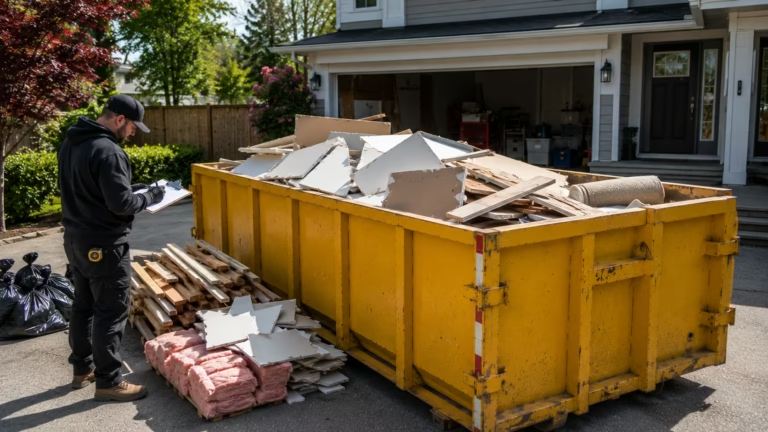
Clear Bin Pricing Starts With Knowing Your Debris
Flat rate bin rental vs weight-based pricing is one of the most important comparisons to make before booking a disposal bin for a renovation, construction job, home cleanout, or commercial cleanup. The pricing model affects how predictable the invoice feels, how much detail you need to provide, and whether heavy materials could increase the final cost.
For many homeowners and contractors, bin rental pricing can seem simple at first. A bin arrives, waste goes in, and the bin is hauled away. In practice, the final cost depends on bin size, rental period, debris type, disposal fees, labour, access, trucking, sorting requirements, and whether the load is light, heavy, clean, mixed, or restricted.
Rocky Junk Removal supports residential, commercial, and construction clients across Vancouver, Burnaby, Surrey, Richmond, Delta, Langley, Abbotsford, Maple Ridge, Chilliwack, Pitt Meadows, and the broader Lower Mainland. This guide explains how flat rate bin rental vs weight-based pricing works, what to ask before booking, and how to choose the model that fits your project.
What Does Flat Rate Bin Rental Mean?
Flat rate bin rental usually means the customer receives one quoted price for a defined service package. That package may include bin delivery, pickup, a set rental period, a specific bin size, and disposal for approved materials within agreed limits. The main value is predictability.
A flat rate does not always mean unlimited weight, unlimited material types, or unlimited time. Most responsible bin rental companies still set conditions around what can go in the bin, how high the bin can be filled, what materials are excluded, and whether very heavy or restricted materials require a different plan.
For a homeowner doing a garage cleanout, a flat rate may be easier to understand than a pricing model that changes after the load is weighed. For a contractor managing a renovation schedule, a flat rate can make it easier to quote cleanup costs to a client before work starts.
Flat rate bin rental vs weight-based pricing becomes especially relevant when the debris type is mixed. Furniture, wood, packaging, cabinets, trim, and general junk are often less dense than tile, concrete, plaster, soil, or roofing material. The more predictable the material, the easier it is to choose the right pricing model.
What Does Weight-Based Bin Pricing Mean?
Weight-based bin pricing is tied to the actual weight of the load. The bin is collected, transported, and weighed through the disposal process. The customer may then pay based on tonnage, disposal category, facility fees, or weight above an included allowance.
This pricing model can be fair when the load is difficult to estimate by volume alone. Two bins that look equally full can have very different weights. One bin may contain old furniture and cardboard. Another may contain tile, mortar, concrete, brick, plaster, or wet construction debris. The second load will be much heavier even if the volume looks similar.
Weight-based pricing can also reflect how local disposal facilities charge for materials. Public disposal and transfer facilities often use material categories, tonnage rates, minimum fees, and transaction fees. That means the final cost of disposal may depend on both what the waste is and how much it weighs.
For customers, the downside is uncertainty. If the debris weight is unknown, the final invoice may be harder to predict. That does not make weight-based pricing wrong, but it does mean the customer should ask clear questions before booking.
8 Smart Ways to Compare Flat Rate Bin Rental vs Weight-Based Pricing
The better pricing model depends on the project. A small residential cleanout is not the same as a contractor demolition job. A light mixed junk load is not the same as a tile removal project. Use these eight checks to compare flat rate bin rental vs weight-based pricing before making a decision.
1. Identify whether your debris is light, mixed, or heavy
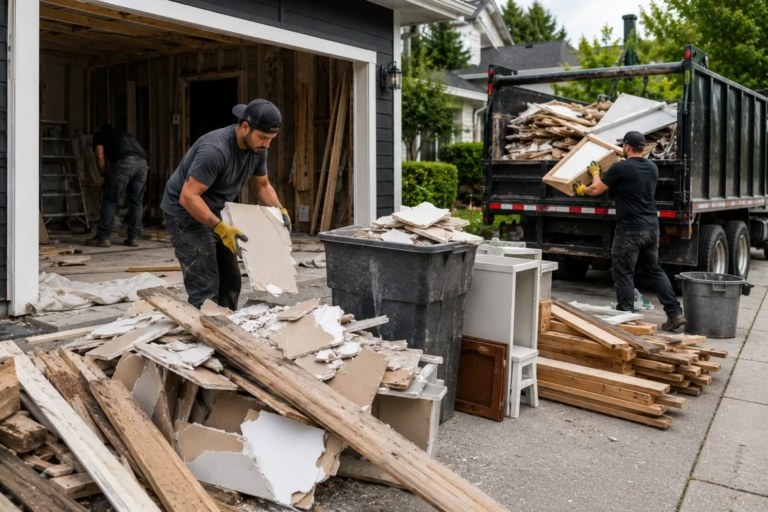
Start with material type. Light debris may include boxes, household clutter, light furniture, packaging, and general cleanout material. Mixed renovation debris may include cabinets, wood, drywall, flooring, doors, trim, and fixtures. Heavy debris may include tile, mortar, concrete, brick, stone, soil, roofing, plaster, and dense demolition waste.
Flat rate pricing is usually easier to quote when the load is predictable and does not include unusually heavy material. Weight-based pricing may be more relevant when the material is dense or hard to estimate before loading.
2. Ask what the flat rate includes
A good flat rate should be specific. Ask whether the quote includes delivery, pickup, disposal, a defined rental period, fuel, and a particular bin size. Also ask what happens if the bin is overloaded, kept longer than agreed, or filled with a different material than originally described.
Transparent flat rate bin rental should reduce confusion, not hide conditions. If a quote sounds simple but does not explain limits, exclusions, or overage situations, ask for clarification before the bin arrives.
3. Ask whether there is a weight allowance
Some pricing models combine flat-rate structure with a weight allowance. For example, the quote may include disposal up to a certain weight, with additional charges if the load exceeds that allowance. This can be useful, but only if the allowance is clear.
When comparing flat rate bin rental vs weight-based pricing, ask whether the flat rate includes all approved material or whether weight thresholds still apply. This is especially important for renovation and construction debris.
4. Confirm which materials are excluded
Pricing does not matter if the material cannot be accepted. Standard bin rental should not be used for hazardous chemicals, asbestos, flammable products, biohazards, or other restricted waste. These materials require proper assessment and specialized handling.
Rocky Junk Removal excludes hazardous chemicals, asbestos, flammable products, and biohazard materials from standard hauling and bin rental. If your cleanup includes suspicious building materials, unknown containers, fuel, solvents, or old asbestos-risk materials, separate them before booking.
5. Think about how the bin will be loaded
A loosely loaded bin can appear full before it uses the available capacity well. Bulky furniture, cabinets, and long pieces of wood can create air gaps. Breaking down accepted materials safely and loading them evenly can improve space use.
However, loading efficiently should not mean loading unsafely. Do not overfill the bin above the allowed line, and do not compact suspect or hazardous materials. A bin that is too full, too heavy, or improperly loaded may create pickup delays or extra work.
6. Consider whether the project scope may change
Renovations often expand. A flooring job may reveal extra underlay. A bathroom repair may turn into a larger demolition. A basement cleanout may include more stored material than expected. If scope is uncertain, pricing flexibility matters.
Flat rate pricing may be useful when the job is defined. Weight-based pricing or staged service may be better when the actual volume or weight is unknown. The key is to explain the uncertainty before booking.
7. Compare cost certainty against material risk
Flat rate pricing gives stronger cost certainty when the job fits the quoted conditions. Weight-based pricing can be more precise when the load is heavy or variable, but it may feel less predictable to the customer.
Neither model is automatically better. The right choice depends on what matters more for the project: a predictable upfront number, or pricing that reflects the actual load weight after disposal.
8. Choose a provider that asks detailed questions
A professional bin rental provider should ask about material type, bin size, loading access, project location, rental period, weight concerns, and restricted materials. These questions are not delays. They are part of building a quote that matches the actual job.
If a provider quotes without asking what is going into the bin, the price may not reflect the real disposal conditions. For local renovation and construction projects, accurate details lead to fewer surprises.
How Bin Size Affects Pricing
Bin size affects pricing because it controls the available volume, the truck required, the placement space, and the type of project the bin can support. A small bin may be enough for a minor cleanout or light renovation. A larger bin may be better for multi-room demolition, commercial cleanup, or contractor debris.
However, bigger is not always cheaper. If the project includes heavy debris, a larger bin can reach safe weight limits before it looks full. Tile, concrete, brick, soil, stone, and plaster are common examples. In those cases, a smaller controlled load may be safer and more practical.
For mixed renovation debris, the right bin size depends on both volume and material density. Cabinets and trim take up space. Drywall sheets stack differently. Flooring can be compact or bulky depending on the material. Fixtures and packaging add irregular shapes.
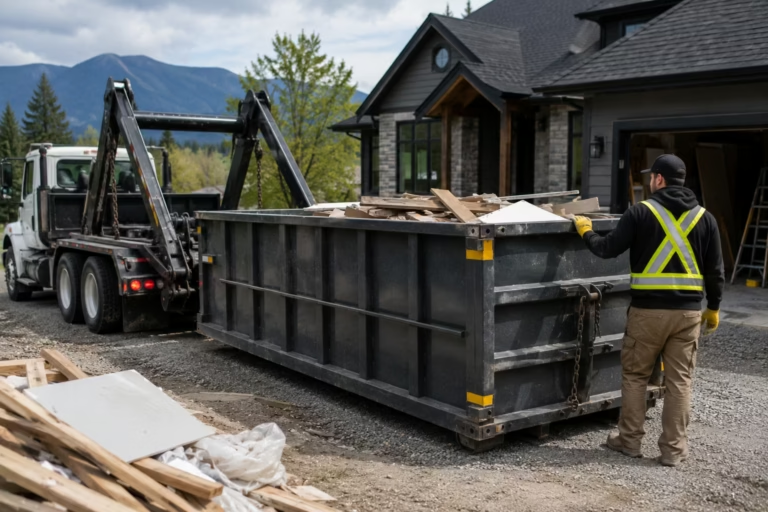
Rocky Junk Removal’s garbage bin rental service can help match bin size to the project scope, whether the job is a home cleanout, renovation, commercial cleanup, or construction debris removal.
What Materials Can Make Weight-Based Pricing More Likely?
Weight-based pricing becomes more relevant when the debris is dense, wet, or difficult to estimate by volume. Heavy materials can change the economics of a bin rental because disposal and hauling are affected by weight, not just how full the bin looks.
Common heavy materials include concrete, brick, tile, mortar, stone, soil, plaster, roofing, and some dense demolition debris. These materials should be discussed before booking. A bin that is safe for light renovation debris may not be appropriate for a full load of dense construction material.
Moisture can also matter. Wet wood, damp drywall, saturated insulation, and water-damaged debris may weigh more than dry material. If the project follows a leak, flood, or exterior exposure, mention that before the bin is delivered.
When comparing flat rate bin rental vs weight-based pricing, heavy debris is one of the strongest reasons to ask detailed questions. The issue is not only cost. It is also safe loading, truck capacity, disposal acceptance, and pickup reliability.
When Is Flat Rate Bin Rental the Better Choice?
Flat rate bin rental is often the better choice when the project is easy to define. If you know the material type, approximate volume, access conditions, and rental period, a flat rate can make budgeting simpler.
Homeowners often prefer flat rates for garage cleanouts, basement cleanouts, furniture removal, small renovation debris, and general household junk. Property managers may prefer flat rates for unit turnovers, storage room cleanouts, and common-area debris removal. Contractors may prefer flat rates when quoting cleanup costs to clients.
Flat rate pricing can also reduce decision fatigue. Instead of waiting to see what the final weight will be, the customer can plan around one approved price. This is helpful when the cleanup budget must be approved before work starts.
The best flat-rate jobs are well described. Photos, item lists, debris categories, driveway access, and timing details help the provider quote more accurately. A flat rate is only useful when both sides understand what the price covers.
When Is Weight-Based Pricing the Better Choice?
Weight-based pricing may be better when the load is heavy, unusual, or hard to estimate. It can also make sense when the provider needs to align pricing closely with disposal facility charges.
For example, a contractor removing tile and mortar from several rooms may not know the exact weight before demolition. A landscaping cleanup with soil or stone may be difficult to price by volume alone. A demolition project with plaster, masonry, and dense mixed material may need a weight-sensitive quote.
Weight-based pricing can be fair when the customer understands how it works. The problem comes when customers expect one number but receive a final bill that changes because weight was not explained clearly.
If weight-based pricing applies, ask how weight is measured, whether scale tickets are available, what the minimums are, and whether there is an included allowance. These questions make the pricing model more transparent.
Local Disposal Costs Can Affect Bin Rental Pricing
Bin rental companies do not price in isolation. Local disposal rules, facility fees, material categories, transfer station rates, recycling requirements, fuel, truck time, and labour all affect what it costs to complete a job properly.
Metro Vancouver’s construction and demolition waste guidance explains that building material from construction, renovation, and demolition is a major regional waste stream. This is one reason sorting, recycling, and responsible disposal planning matter for renovation and contractor projects.
The City of Vancouver also publishes public disposal information for its transfer station and landfill, including material categories and weight-based rates for certain waste streams. Customers can review the City’s Vancouver South Transfer Station information to understand how public disposal pricing can vary by material and weight.
For customers, the takeaway is practical: a bin quote reflects more than the container itself. It includes the cost of moving, handling, disposing, and sorting waste within local rules.
How Flat Rate Pricing Helps Homeowners
Homeowners usually want pricing that is easy to understand. A renovation or cleanout already has enough moving parts: contractors, deliveries, permits, building access, storage, and timelines. A clear flat rate can make the waste side easier to manage.
Flat rate bin rental vs weight-based pricing is especially relevant for DIY projects. A homeowner may not know how much debris weighs, but they can usually describe the project: one bathroom renovation, a garage cleanout, old flooring, furniture, cabinets, or basement storage.
With good photos and a clear material list, a bin provider can often recommend a practical option. The customer should still ask what is included, what is excluded, and what might trigger extra charges.
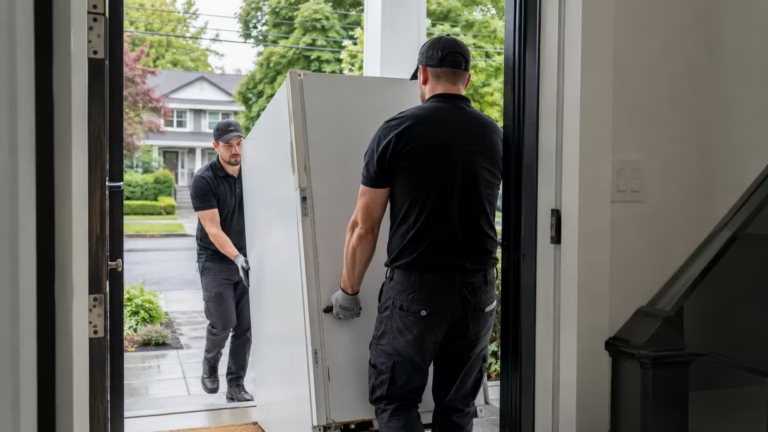
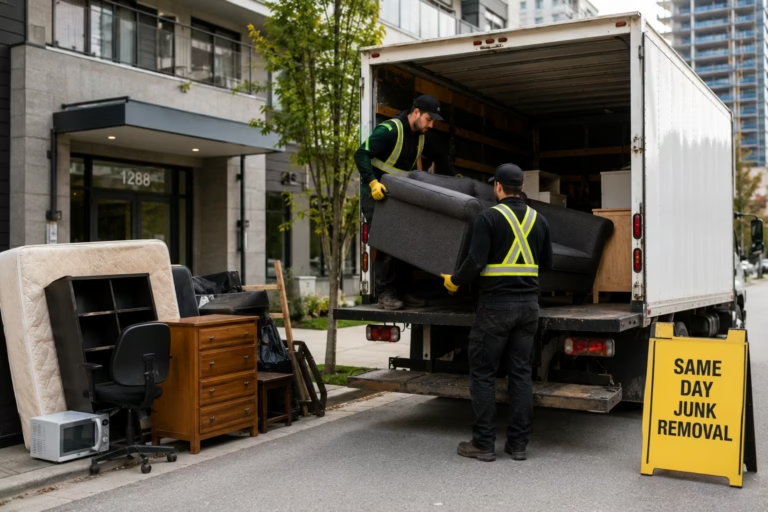
For accepted household junk and cleanout material that does not need a bin, Rocky Junk Removal also provides residential junk removal for furniture, appliances, estate cleanouts, and general household debris.
How Pricing Models Affect Contractors
Contractors need pricing that supports quoting, scheduling, and site control. If debris removal costs are unpredictable, cleanup can become a weak point in the project estimate. If pricing is too rigid, heavy or unusual materials may create problems after the job starts.
Flat rate pricing can help contractors present a cleaner number to clients when the debris type is predictable. Weight-based pricing may be more appropriate for demolition projects with heavy materials or uncertain load conditions.
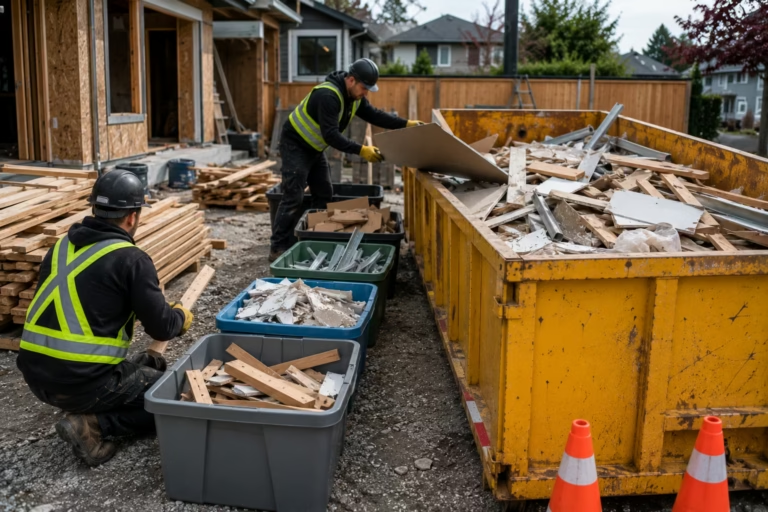
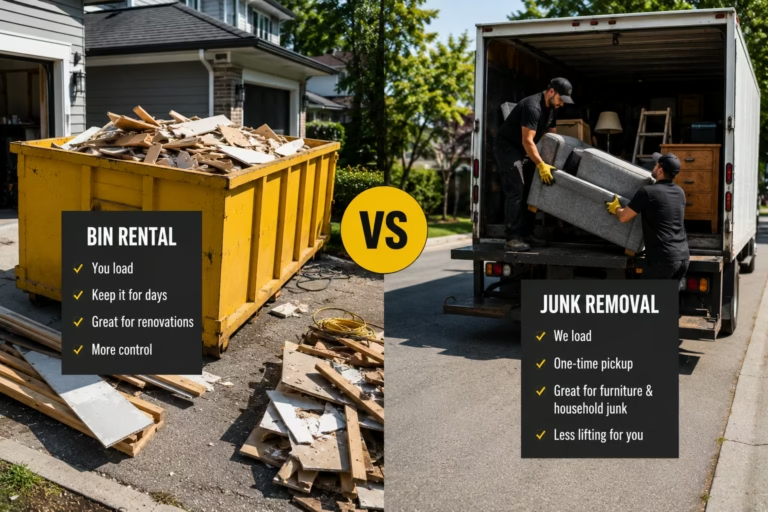
Contractors should think in phases. Demolition debris, rough-in waste, finishing debris, packaging, and final cleanup may not all need the same approach. A roll-off bin may work during demolition, while crew-loaded removal may work better for final cleanup.
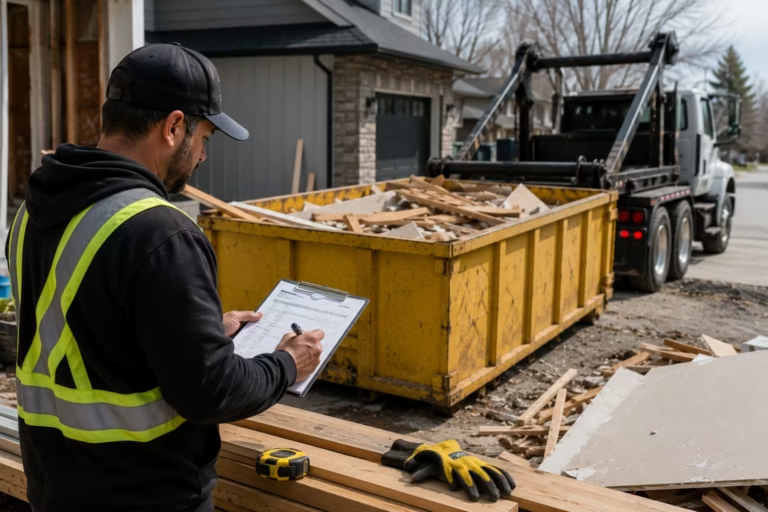
Rocky Junk Removal provides construction debris removal services for contractors who need job-site waste hauled from renovation, demolition, and construction projects across the Lower Mainland.
How Pricing Models Affect Commercial Cleanouts
Commercial clients often care about timing as much as price. A store, office, warehouse, or tenant improvement project may need waste removed without blocking operations, loading bays, staff areas, or customer access.
Flat rate pricing can work well for defined commercial cleanouts, such as old shelving, office furniture, display fixtures, packaging, and storage room contents. Weight-based pricing may apply if the load includes dense fixtures, construction debris, or mixed materials that are difficult to estimate.
Commercial projects should also consider labour. If employees are expected to load a bin, the cost may show up as staff time. If a crew loads the material, the quote may include more service but reduce disruption to the business.
For offices, retail units, warehouses, and commercial turnover projects, Rocky Junk Removal’s commercial junk removal service can support accepted non-hazardous cleanout material and project debris.
Questions to Ask Before Booking a Bin
Before choosing between flat rate bin rental vs weight-based pricing, ask direct questions. A clear quote should help you understand the service, not leave you guessing after the bin is hauled away.
- What bin size is included in the quote?
- How long is the rental period?
- Does the price include delivery and pickup?
- Does the price include disposal?
- Is there a weight allowance?
- What happens if the load exceeds the included weight?
- Which materials are excluded?
- Can drywall, tile, concrete, soil, roofing, or plaster go in this bin?
- Are hazardous, flammable, asbestos-containing, or chemical materials excluded?
- Are there extra fees for overfilling the bin?
- Are there extra charges for keeping the bin longer?
- Will the provider need photos before confirming the quote?
- Is crew-loaded removal a better option than bin rental for this job?
Bin Rental Pricing Checklist
Use this checklist before confirming a bin rental:
- Identify the main material types going into the bin.
- Separate light debris from heavy debris where practical.
- Estimate whether the bin will contain household junk, renovation debris, construction waste, or commercial material.
- Take photos of the debris and the bin placement area.
- Check driveway, lane, parking, and truck access.
- Ask whether the quote is flat rate, weight-based, or flat rate with a weight allowance.
- Confirm disposal, delivery, pickup, and rental period details.
- Ask about heavy materials before loading them.
- Keep hazardous chemicals, asbestos, flammable products, and biohazards out of the bin.
- Do not overfill above the allowed fill line.
- Confirm whether a live load or crew-loaded pickup would be more efficient.
- Keep the quote details in writing before the bin is delivered.
Common Pricing Mistakes to Avoid
The first mistake is choosing only by the lowest advertised number. A low starting price may not include disposal, weight, rental time, or material-specific charges. A clear quote is more useful than a vague cheap quote.
The second mistake is ignoring heavy debris. If your project includes tile, concrete, brick, stone, plaster, soil, or roofing, ask about weight before the bin arrives. Heavy material can change the right bin size and pricing structure.
The third mistake is mixing restricted items into a standard load. Hazardous chemicals, asbestos, flammable materials, and biohazards do not belong in regular bins. Placing restricted material into a bin can create safety, disposal, and scheduling problems.
The fourth mistake is assuming flat rate means unlimited. A professional flat rate still has conditions. It should define the service clearly so the customer knows what is included.
The fifth mistake is booking without access details. Narrow lanes, steep driveways, overhead wires, strata rules, street restrictions, and tight commercial loading areas can affect service. Pricing and scheduling are easier when access is explained early.
Which Pricing Model Is Better?
There is no single winner in flat rate bin rental vs weight-based pricing. Flat rate pricing is usually better when the job is clearly defined, the debris is accepted, and the customer wants budget certainty. Weight-based pricing is often better when the load is heavy, variable, or difficult to estimate by volume.
For homeowners, flat rate bin rental is often easier to manage for cleanouts, small renovations, and predictable mixed debris. For contractors, the best model depends on project scope, material density, and whether the cleanup cost needs to be quoted before demolition starts.
For commercial clients, the decision often comes down to timing, labour, access, and material type. A flat rate may work for a clean office furniture removal. Weight-based pricing may be more appropriate for dense renovation debris or mixed construction material.
The best approach is to describe the job accurately and choose the pricing model that matches the risk. If the load is predictable, flat rate can be cleaner. If the weight is uncertain, a weight-aware quote may be more realistic.
Local Bin Rental Planning Across the Lower Mainland
Local conditions matter in Vancouver and the Lower Mainland. A driveway bin in Burnaby may be simple. A downtown Vancouver project may require loading-zone timing. A Richmond commercial cleanup may need coordination around business hours. A Surrey or Langley construction site may need multiple bins or staged hauling.
Access, traffic, site layout, disposal requirements, and project timing all affect how a bin rental should be planned. These details also affect whether flat rate bin rental vs weight-based pricing makes more sense.
Rocky Junk Removal serves Vancouver, Burnaby, Surrey, Richmond, Delta, Langley, Abbotsford, Maple Ridge, Chilliwack, Pitt Meadows, and nearby communities. You can review the broader coverage area through the Rocky Junk Removal service area page.
If the job involves a specific city, neighbourhood, or property condition, mention it before booking. Accurate location and access details help the team recommend the right bin, truck, and pricing approach.
Get a Clear Bin Quote Before Loading Starts
The best time to clarify pricing is before the bin is delivered. Once material is loaded, it is harder to adjust the plan. Clear project details help the provider choose the right bin size, pricing model, and disposal route from the beginning.
When requesting a quote, include photos, the project location, debris type, approximate volume, heavy material details, access notes, and preferred timing. If the job includes renovation or construction debris, explain whether the material is wood, drywall, flooring, cabinets, tile, concrete, plaster, fixtures, or mixed waste.
Rocky Junk Removal can help customers compare flat rate bin rental vs weight-based pricing based on the actual project, not a generic estimate. To discuss a bin rental, construction debris pickup, residential cleanout, or commercial cleanup, send the details through the Rocky Junk Removal contact page.
Final Takeaway: Choose Pricing That Matches the Project
Flat rate bin rental vs weight-based pricing is not only a cost comparison. It is a planning decision. Flat rate pricing can give homeowners, contractors, and property managers more budget certainty when the debris is predictable. Weight-based pricing can be more realistic when the load is heavy, dense, or uncertain.
The best result comes from clear communication before the bin arrives. Identify the debris type, separate heavy or restricted materials, confirm what the quote includes, and make sure the bin size matches the site. Rocky Junk Removal provides bin rental, construction debris removal, residential junk removal, and commercial waste clearing across Vancouver, Burnaby, Surrey, Richmond, Delta, Langley, Abbotsford, Maple Ridge, Chilliwack, Pitt Meadows, and the broader Lower Mainland.