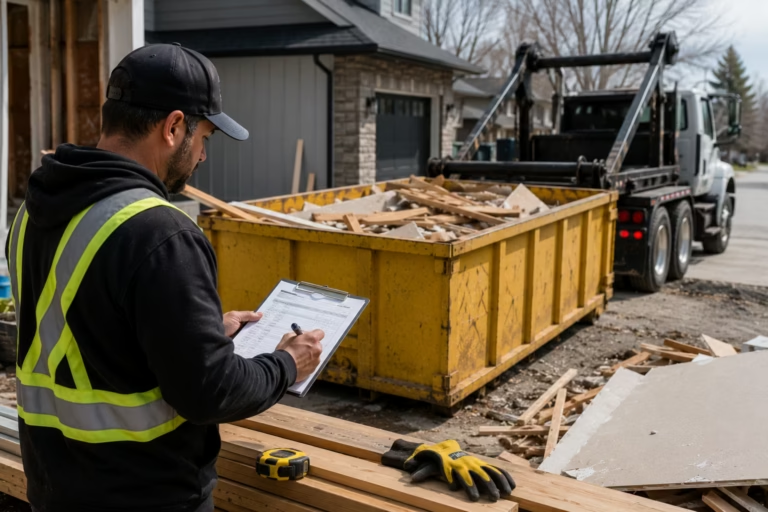
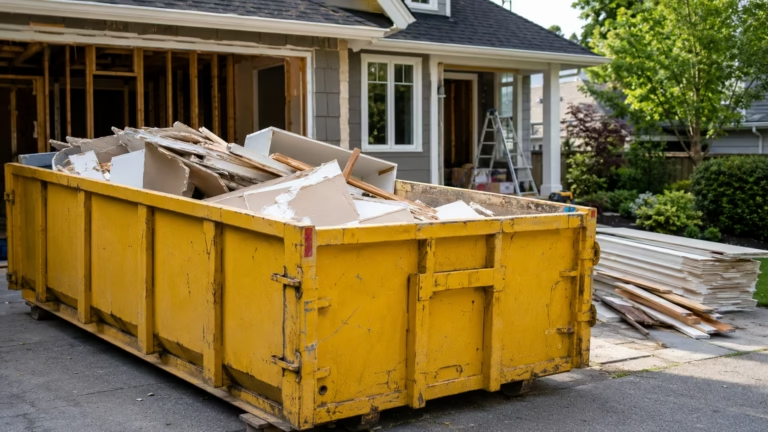
Plan Renovation Waste Before the First Load
Choosing the right home renovation bin size is one of the simplest ways to keep a renovation cleaner, safer, and easier to manage. Whether you are removing old cabinets, tearing out flooring, replacing drywall, or clearing mixed debris from a full remodel, the bin you choose affects cost, loading time, site access, and how smoothly the project moves.
Many homeowners focus on materials, trades, timelines, and finishes before they think about waste. That is understandable, but renovation debris builds up quickly. A few cabinets, broken tiles, drywall sheets, baseboards, packaging, and old fixtures can fill a small space faster than expected.
Rocky Junk Removal supports homeowners, contractors, and property managers across Vancouver, Burnaby, and the Lower Mainland with bin rentals, construction debris removal, residential junk removal, and renovation cleanup. This guide explains how to choose the best bin size for home renovation projects without overpaying for space you do not need or booking a bin that fills too soon.
Why Bin Size Matters During a Home Renovation
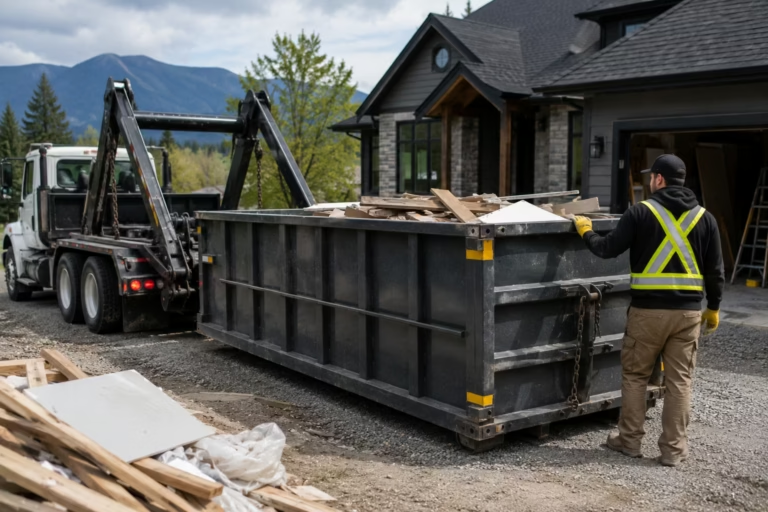
A renovation bin is not just a container. It is part of the project workflow. The right home renovation bin size keeps debris in one controlled area, reduces repeated handling, and helps prevent piles of waste from spreading through the driveway, garage, yard, or job site.
When a bin is too small, the project can stall. Workers may need to stop and wait for a swap-out. Homeowners may start stacking debris beside the bin, which can create safety and access problems. Extra trips can also increase cost and make the cleanup feel more disorganized than it needs to be.
When a bin is too large, you may pay for capacity that never gets used. A large bin may also be harder to place on tight residential properties, especially in Vancouver neighbourhoods with narrow lanes, limited driveway space, street parking pressure, or strata rules.
The goal is to match the bin to the actual project. A bathroom update, flooring removal, kitchen demolition, basement cleanup, and full-house renovation all create different types and volumes of debris. The best home renovation bin size depends on scope, material type, available loading space, and how long the bin needs to stay on-site.
How to Choose the Right Home Renovation Bin Size
To choose the right home renovation bin size, start with the renovation scope rather than guessing by room count alone. A small bathroom with tile, drywall, vanity, toilet, tub surround, and flooring may create more heavy debris than a larger room with only carpet and baseboards. Material type matters as much as room size.
Next, estimate how the debris will be generated. A weekend DIY project may create waste slowly over several days. A contractor-led demolition may fill a bin quickly in one morning. If debris will come out in stages, you may need a bin that can stay on-site longer. If everything is removed at once, a larger bin or a planned swap-out may make more sense.
Also consider access. A bin that technically fits the amount of waste may not fit the property. Driveway slope, overhead wires, parked vehicles, trees, lane width, and municipal access rules can affect placement. In dense urban areas, proper bin placement can be just as important as bin volume.
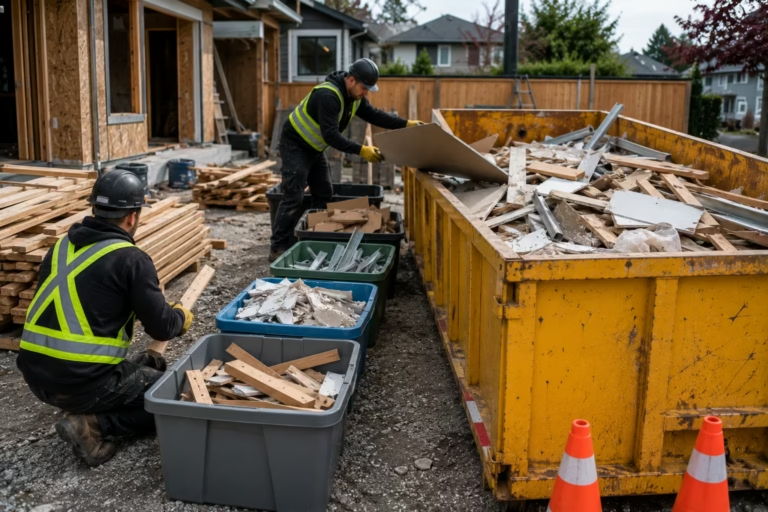
For most residential renovation projects, the practical decision comes down to whether the job is light, moderate, or heavy. Light projects include small cleanouts, minor fixture removal, and packaging. Moderate projects include kitchens, bathrooms, flooring, and drywall. Heavy projects include concrete, tile, soil, roofing, masonry, and dense demolition debris that may require special load planning.
Common Renovation Bin Sizes and When to Use Them
Bin sizes vary by provider, but renovation bins are often discussed by cubic yard capacity. A cubic yard is a volume measurement, not a weight measurement. That distinction matters because a bin filled with broken cabinets is very different from the same bin filled with tile, concrete, or wet construction debris.
A smaller bin can be a good fit for minor renovation debris, light household cleanup, flooring from one room, or a small bathroom refresh. It may also work well when driveway space is limited and the project does not involve heavy materials.
A mid-size bin is often the most practical choice for kitchen updates, multi-room flooring removal, cabinet demolition, drywall replacement, or mixed renovation debris. This is where many homeowners land when they are trying to balance capacity, access, and cost.
A larger bin may be useful for full-home cleanouts, major interior demolition, basement renovations, or contractor-led projects with multiple material types. However, large bins need more placement space and may still have weight restrictions. Filling a large bin with dense debris can exceed safe hauling limits before the bin looks full.
If you are unsure, share photos and project details before booking. Rocky Junk Removal’s garbage bin rental service can help match the container to the job, property access, and renovation debris type.
What Size Bin Do You Need for a Kitchen Renovation?
A kitchen renovation usually creates bulky, mixed debris. Common materials include cabinets, countertops, sink fixtures, flooring, drywall, tile, wood, packaging, and sometimes appliances. Because cabinets and countertops take up space quickly, a kitchen project often needs more bin capacity than homeowners expect.
For a small kitchen refresh, a smaller or mid-size bin may be enough if the work is limited to cabinet removal, light flooring, and general debris. For a full kitchen demolition, a larger bin or a planned debris removal strategy is usually safer. Countertops, tile, and old cabinetry can fill the bin unevenly, leaving air pockets unless material is loaded carefully.
The right home renovation bin size for a kitchen also depends on whether appliances are included. Refrigerators, stoves, dishwashers, and range hoods may require separate handling or careful loading. If appliances are still working, donation or specialized appliance removal may be considered before disposal.
For kitchens in condos or townhomes, bin placement can be more complicated. The building may have loading dock rules, elevator bookings, strata requirements, or limits on how long materials can sit in common areas. In those cases, crew-loaded removal may be a better option than leaving a bin on-site.
What Size Bin Do You Need for a Bathroom Renovation?
Bathroom renovations often look small on paper, but they can produce dense waste. Tile, mortar, tubs, toilets, vanities, mirrors, drywall, backer board, flooring, and plumbing fixtures can add weight quickly. A compact bin may work for a light vanity and fixture update, but heavier demolition needs closer planning.
If the project includes tile removal, ask about weight limits before choosing a bin. Tile, plaster, mortar, and similar materials can make a bin too heavy to haul safely even if there is still open space. This is why home renovation bin size should be chosen with both volume and material weight in mind.
Older bathrooms also require caution. If the home is older, some materials may need assessment before demolition or disposal. Drywall joint compound, old flooring, insulation, and other building materials can present safety concerns depending on age and condition.
If the bathroom renovation is part of a larger remodel, it may be better to plan one bin for multiple phases or schedule debris removal after each major stage. This keeps the work area clearer and reduces the chance of debris blocking access to plumbing, electrical, or finishing work.
What Size Bin Works for Flooring, Drywall, and Interior Demolition?
Flooring and drywall projects can produce a large amount of flat material. Carpet, laminate, hardwood, underlay, baseboards, drywall sheets, trim, and packaging may not be extremely heavy in small quantities, but they can fill a bin quickly when multiple rooms are involved.
Drywall deserves extra attention. Newer drywall debris may be handled differently from older material, and used gypsum disposal rules can vary by source and condition. If the renovation involves older drywall or unknown materials, review safety and disposal requirements before placing everything in a general mixed load.
For flooring removal, the right home renovation bin size depends on the square footage and material. Carpet and underlay are bulky but lighter. Laminate and engineered flooring can stack more efficiently. Tile and mortar are much heavier and may require smaller, weight-controlled loads.
Interior demolition can include a wider mix: framing wood, doors, cabinets, drywall, trim, insulation, flooring, and general debris. Rocky Junk Removal’s renovation debris removal service is useful when the project needs organized cleanup and the material is already coming out of the home.
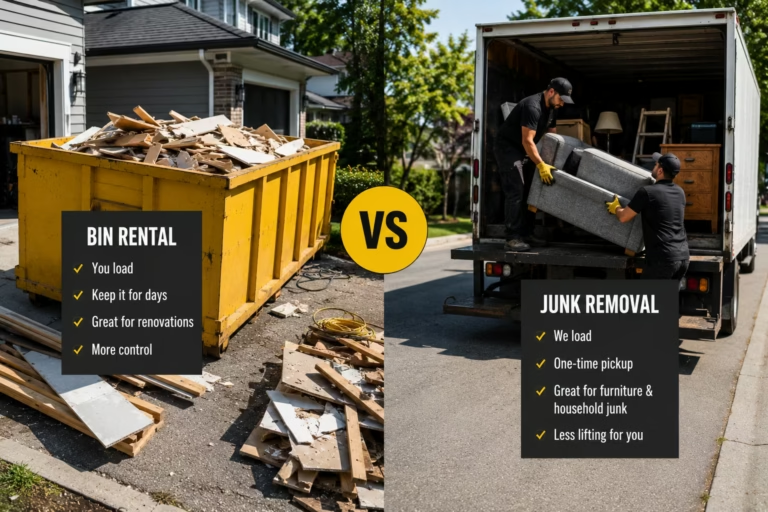
Do You Need a Bin or Crew-Loaded Junk Removal?
A bin is usually the better option when debris will build up over time. If you are removing materials over several days, a bin lets you load as the project moves forward. This works well for DIY renovations, contractor projects, and staged demolition work.
Crew-loaded junk removal may be better when the debris is already piled and ready to go, when there is no room for a bin, or when lifting and loading would slow the project. It can also be useful for apartments, condos, commercial units, and properties with access restrictions.
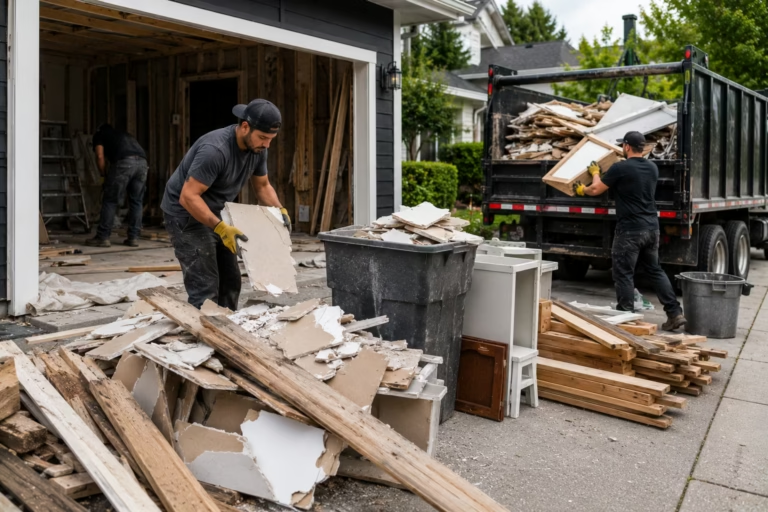
Some projects need both. A homeowner may use crew-loaded removal for old furniture and appliances, then rent a bin for construction debris. A contractor may use a bin during demolition, then schedule a final cleanup for loose items and leftover material.
If your project includes a mix of household junk and renovation debris, start by separating the material. Furniture, appliances, cabinets, drywall, wood, and general clutter may have different handling paths. Rocky Junk Removal also provides residential junk removal for household items that are not part of the construction waste stream.
Safety and Disposal Rules for Renovation Waste
Renovation waste should not be treated as one simple pile. Metro Vancouver explains that material from construction, renovation, and demolition makes up a significant portion of regional landfill waste, and the region encourages recycling and reuse of building materials where practical. You can review the regional guidance through Metro Vancouver’s construction and demolition waste resource.
Safety is also a major part of renovation planning. Older homes may contain materials that should not be disturbed without proper assessment. WorkSafeBC warns that demolition and renovation work in older buildings can disturb asbestos-containing materials and put unprotected workers at risk. Their asbestos hazards in demolition and renovation bulletin is a useful reference before starting work on older properties.
Rocky Junk Removal does not accept hazardous chemicals, asbestos, flammable products, or biohazard materials as part of standard junk hauling or bin rental. If you suspect asbestos, chemicals, fuel, solvents, contaminated materials, or other regulated waste, separate those items and arrange proper assessment before loading.
Choosing the correct home renovation bin size is important, but safe material handling is more important. A properly sized bin should support a clean workflow without encouraging unsafe loading, overfilling, or mixing restricted materials into the waste stream.
Home Renovation Bin Size Checklist
Use this checklist before booking a renovation bin:
- List the rooms being renovated and the materials being removed.
- Separate light bulky waste from dense materials such as tile, concrete, mortar, or masonry.
- Estimate whether debris will be produced in one day or over several project stages.
- Check driveway, lane, or parking access before choosing a bin size.
- Look for overhead wires, tree branches, slopes, tight turns, and vehicle clearance issues.
- Confirm whether strata, property management, or municipal placement rules apply.
- Identify older drywall, flooring, insulation, ceiling texture, or other suspect materials before demolition.
- Do not place hazardous, flammable, asbestos-suspect, chemical, or biohazard material in the bin.
- Ask about weight limits if the project includes tile, concrete, plaster, stone, or heavy debris.
- Share photos of the debris and placement area before booking.
- Keep the loading path clear and avoid overfilling the bin above the allowed line.
- Plan a swap-out or second pickup if the renovation scope may expand.
Common Mistakes When Choosing a Renovation Bin
The first mistake is choosing based only on price. A smaller bin may look less expensive at the start, but it can cost more if it fills too early and requires another haul. The better question is whether the bin fits the project scope, material type, and site conditions.
The second mistake is ignoring weight. Homeowners often estimate volume but forget that dense debris can hit weight limits fast. Tile, concrete, soil, brick, plaster, and wet material should be discussed before booking.
The third mistake is placing the bin without thinking about workflow. A bin should be close enough to load efficiently but not so close that it blocks trades, deliveries, garage access, tenants, neighbours, or emergency access. Placement matters on busy Vancouver and Burnaby properties where space is limited.
The fourth mistake is mixing questionable materials into the load. If something looks suspicious, smells chemical, contains dust from older building materials, or comes from an unknown source, pause before loading it. A safe renovation cleanup is planned before the debris reaches the bin.
Project Examples: Matching Bin Size to Renovation Scope
For a single-room flooring project, the debris may include carpet, underlay, laminate, baseboards, tack strips, and packaging. A smaller or mid-size bin may be enough, depending on square footage and how bulky the material is once removed.
For a bathroom renovation, the debris may include tile, vanity, toilet, drywall, flooring, fixtures, and packaging. Because some of this material can be dense, the right home renovation bin size should be selected with weight limits in mind.
For a kitchen demolition, the debris may include cabinets, countertops, sink fixtures, flooring, backsplash, drywall, appliances, and packaging. A mid-size or larger bin may be more practical, especially when cabinetry and countertop material take up space unevenly.
For a basement renovation, debris can be mixed and unpredictable. Old shelving, drywall, insulation, flooring, framing, furniture, storage contents, and general junk may all come out at once. In this situation, photos and a short project description help determine whether bin rental, crew-loaded removal, or a combination is best.
For contractor-led interior demolition, the bin plan should match the project sequence. If trades need clear access after demolition, the bin should be available when debris is generated, not after the site is already crowded. Rocky Junk Removal’s construction debris removal services can support projects where site waste needs to be removed efficiently and safely.
Local Bin Rental Considerations in Vancouver, Burnaby, and the Lower Mainland
Local site conditions often affect bin choice. In Vancouver, many homes have narrow lanes, shared driveways, tight street parking, and limited staging space. In Burnaby, Coquitlam, Richmond, Surrey, Delta, Langley, and other Lower Mainland communities, lot size and access can vary widely from one property to the next.
Before choosing a bin, think about where it will sit. A driveway is usually simpler than a street placement. A lane may work if the truck has enough clearance and the bin does not block access. A townhouse complex or condo property may require approval from strata or property management.
Also consider how the renovation team will load the bin. If debris must be carried a long distance, labour time increases. If the bin is too far from the demolition area, debris may be handled multiple times. If it is placed poorly, it can block deliveries or make the site harder to manage.
Rocky Junk Removal serves Vancouver, Burnaby, Surrey, Richmond, Delta, Langley, Abbotsford, Maple Ridge, Chilliwack, Pitt Meadows, and nearby Lower Mainland communities. You can review broader local coverage through the company’s service area page.
How to Get a More Accurate Bin Recommendation
The fastest way to get a better recommendation is to provide clear job details. Start with the project type, such as kitchen renovation, bathroom demolition, flooring removal, basement cleanup, or full-home remodel. Then include the materials being removed and the approximate amount.
Photos help more than rough guesses. Take photos of the renovation area, existing debris, driveway, lane, parking area, and any access challenges. If the debris has not been removed yet, photos of the room still help because the team can estimate likely material volume from the scope.
Be clear about heavy materials. Tile, concrete, stone, brick, soil, plaster, and roofing materials may affect the bin recommendation. A smaller bin with a controlled heavy load may be safer and more practical than a larger bin that becomes too heavy to haul.
Also explain your schedule. If demolition starts tomorrow, you may need the bin delivered before the first load comes out. If the renovation is staged over two weeks, you may need a longer rental period or planned service timing. The best home renovation bin size is easier to choose when the provider understands both the waste and the timeline.
Should You Choose a Larger Bin Just in Case?
A larger bin can be useful when the renovation scope is uncertain, but it is not always the smartest choice. Bigger bins require more space, may cost more, and can still be limited by weight. If the project includes heavy debris, a larger container does not automatically mean you can fill it to the top.
However, choosing too small can also create problems. If the bin fills halfway through demolition, debris may pile up while waiting for a swap. That can slow trades, create trip hazards, and make the site harder to keep clean.
The practical answer is to choose a bin with a realistic buffer. Do not size the bin only for the exact debris you can picture. Renovations often produce extra packaging, damaged material, old fasteners, trim, underlay, hidden layers, and miscellaneous cleanup waste.
When in doubt, ask for guidance based on photos and project scope. A provider that regularly handles renovation debris can usually identify whether your estimate is too low, too high, or missing a heavy material concern.
Book the Right Bin Before Debris Takes Over
A renovation should not be slowed down by poor waste planning. The right bin keeps debris contained, supports safer work areas, and helps your project move from demolition to finishing without unnecessary cleanup delays.
If you are planning a kitchen, bathroom, basement, flooring, drywall, or full-home renovation, Rocky Junk Removal can help you choose a practical home renovation bin size based on the material, site access, and project timeline. The team can also recommend whether bin rental, crew-loaded junk removal, or construction debris hauling is the better fit.
To get a bin recommendation, send your project details, photos, location, and preferred timing through the Rocky Junk Removal contact page. A clear request helps the team match the service to the job before debris starts blocking the site.
Choosing a Renovation Bin Across the Lower Mainland
The best bin size for a home renovation depends on more than the room being remodeled. It depends on debris volume, material weight, loading access, project sequence, safety considerations, and local placement conditions. A well-chosen bin can reduce mess, improve workflow, and make disposal planning easier from the start.
Rocky Junk Removal provides bin rental, construction debris removal, residential junk removal, and renovation waste support across Vancouver, Burnaby, Surrey, Langley, Richmond, Delta, Abbotsford, Maple Ridge, Chilliwack, Pitt Meadows, and the broader Lower Mainland. For homeowners, contractors, and property managers, choosing the right home renovation bin size is a practical first step toward a cleaner, safer renovation site.