Cleaner Turnovers, Safer Buildings, and Faster Property Resets
Junk removal for property managers helps rental, strata, commercial, and mixed-use properties stay clean, safe, and ready for the next tenant, owner, contractor, or inspection. Property managers often deal with abandoned furniture, old appliances, broken shelving, mattresses, renovation debris, storage room clutter, and common-area items that regular waste service cannot handle.
These cleanups are rarely just about hauling junk. They affect turnover schedules, tenant communication, building access, loading dock use, elevator protection, maintenance workflows, and the appearance of the property. When bulky waste sits too long, it can block hallways, garages, service rooms, parkades, loading bays, and amenity areas.
Rocky Junk Removal supports property managers across Vancouver, Burnaby, Surrey, Richmond, Delta, Langley, Abbotsford, Maple Ridge, Chilliwack, Pitt Meadows, and the broader Lower Mainland. This guide explains how to plan junk removal for property managers, avoid common cleanup delays, and choose the right service approach for residential, strata, commercial, and construction-related property needs.
Why Property Managers Need a Reliable Junk Removal Process
Property managers work on compressed timelines. A rental unit may need to be cleaned, repaired, painted, shown, and reoccupied within a short window. A commercial unit may need old fixtures removed before a new tenant improvement begins. A strata building may need abandoned items cleared before they become a recurring complaint.
Without a clear process, junk removal becomes reactive. A couch appears in a garbage room. A tenant leaves a washer behind. A mattress blocks a parkade corner. A contractor finishes work but leaves packaging, drywall scraps, and old fixtures behind. Each issue takes time away from higher-value property management work.
Junk removal for property managers creates a repeatable plan. The manager knows who to call, what information to provide, how to coordinate access, and what materials are accepted. That structure helps reduce delays, complaints, and unsafe lifting by maintenance staff.
A professional removal plan also protects the property. Crews can work around elevators, lobbies, corridors, stairs, loading zones, parking areas, and tenant access routes. This matters in multi-unit buildings where one poorly planned cleanup can disrupt many residents or businesses.
6 Reliable Ways to Plan Junk Removal for Property Managers
Every property is different, but the same operational principles apply. Junk removal for property managers works best when the job is documented, access is confirmed, materials are identified, and the removal plan fits the building.
1. Separate tenant belongings from confirmed disposal items
Property managers should be careful when items are left behind after a move-out. In British Columbia, abandoned personal property can involve legal responsibilities. Before booking removal, confirm that the items are approved for disposal, donation, recycling, or storage according to the applicable tenancy process.
The Province of British Columbia provides guidance on items left behind after a tenancy. Property managers should review the relevant rules before treating belongings as junk, especially when items may have value or the tenancy situation is unclear.
2. Create a clear item list before requesting pickup
A vague request such as “clear the unit” can lead to delays. A better request lists the items: sofa, mattress, bed frame, dresser, fridge, boxes, old shelving, broken chairs, loose garbage, appliance, or renovation debris. Photos make the request more accurate.
For junk removal for property managers, photos should include the item pile, access path, elevator, loading dock, stairs, parking area, and any tight corners. This helps the removal team estimate truck space, labour, timing, and whether special equipment may be needed.
3. Confirm building access before the crew arrives
Access is often the main issue in managed properties. A pickup may require a loading dock booking, elevator padding, parkade clearance, service entrance instructions, fob access, key pickup, visitor parking, or communication with the concierge.
When access is not confirmed, the job can stall. The crew may arrive but be unable to reach the unit, use the elevator, park near the entrance, or load safely. Junk removal for property managers becomes more efficient when the access plan is confirmed in advance.
4. Keep common areas clear and safe
Bulky items should not sit in corridors, stairwells, emergency exits, parkade lanes, electrical rooms, mechanical rooms, or lobby areas. These spaces need to stay accessible for residents, trades, building staff, and emergency response.
If abandoned items appear in common areas, schedule removal quickly or move them to an approved staging location if building rules allow it. A controlled staging area keeps the cleanup organized and reduces tenant complaints.
5. Match the service to the property type
A single-family rental cleanout is different from a high-rise condo pickup. A retail unit is different from a warehouse. A strata building is different from a commercial office. The right service may be crew-loaded junk removal, bin rental, live loading, appliance removal, or construction debris hauling.
Rocky Junk Removal provides residential junk removal for rental homes, condos, apartments, and household cleanouts. For offices, warehouses, retail units, and tenant improvements, commercial junk removal may be the better fit.
6. Build junk removal into turnover and maintenance schedules
Waiting until the last day before a showing, inspection, or move-in can create avoidable pressure. Junk removal for property managers should be part of the turnover checklist, not a last-minute emergency.
Schedule removal after the unit has been documented and approved for clearing, but before cleaners, painters, flooring crews, or maintenance teams need full access. For larger cleanouts, staged removal may be better than trying to clear everything in one rushed visit.
What Items Do Property Managers Usually Need Removed?
Property managers often deal with bulky items that regular waste collection does not accept or cannot manage easily. Common items include sofas, mattresses, bed frames, desks, dressers, tables, chairs, appliances, shelving, carpets, boxes, bags, fixtures, retail displays, and general move-out debris.
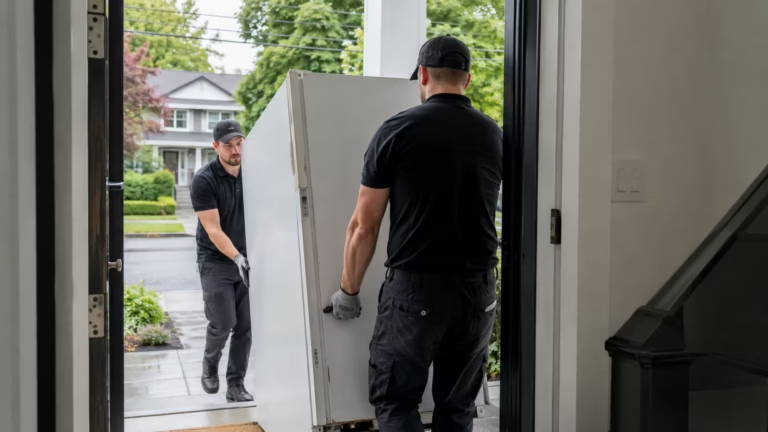
Appliances are common in rental and commercial properties. Refrigerators, stoves, dishwashers, washers, dryers, microwaves, freezers, and compact appliances may need removal before replacement or renovation. Rocky Junk Removal’s appliance removal service can help when heavy items need to be moved from suites, loading bays, garages, or storage areas.
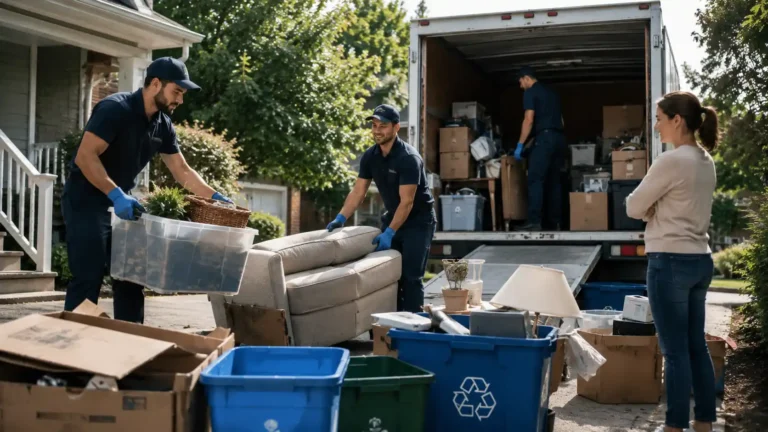
Furniture is another frequent issue. Tenant move-outs, estate situations, short-term rentals, office changes, and storage room cleanups can leave behind couches, chairs, desks, filing cabinets, tables, mattresses, and bed frames. Some items may be reusable, while others may need recycling or disposal.
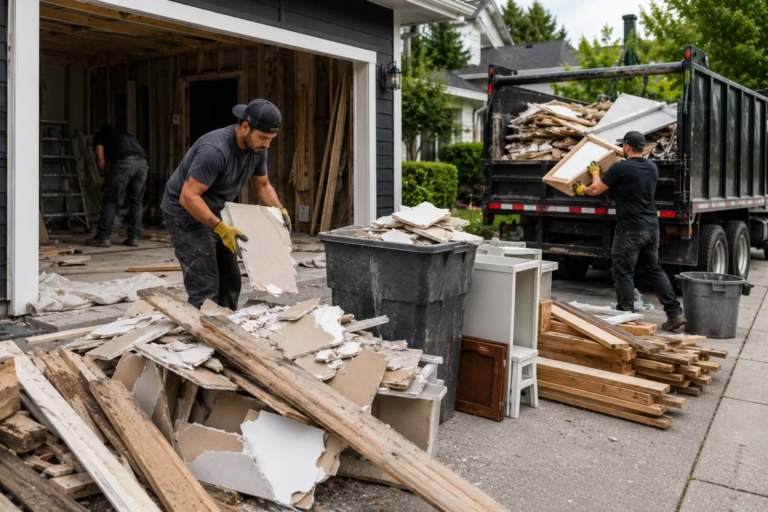
Junk removal for property managers can also include maintenance-related waste. This may involve broken shelving, damaged doors, old flooring, packaging, scrap metal, renovation debris, or non-hazardous construction material after repairs.
How Should Property Managers Handle Abandoned Items?
Abandoned items should be handled carefully. Property managers should not automatically treat every item left behind as garbage. The correct process depends on the tenancy status, item type, estimated value, notice requirements, storage obligations, and applicable B.C. tenancy rules.
Before booking junk removal for property managers after a move-out, confirm whether the items are legally clear for removal. If the situation involves uncertainty, document the unit, take photos, record dates, and follow internal property management procedures before disposal.
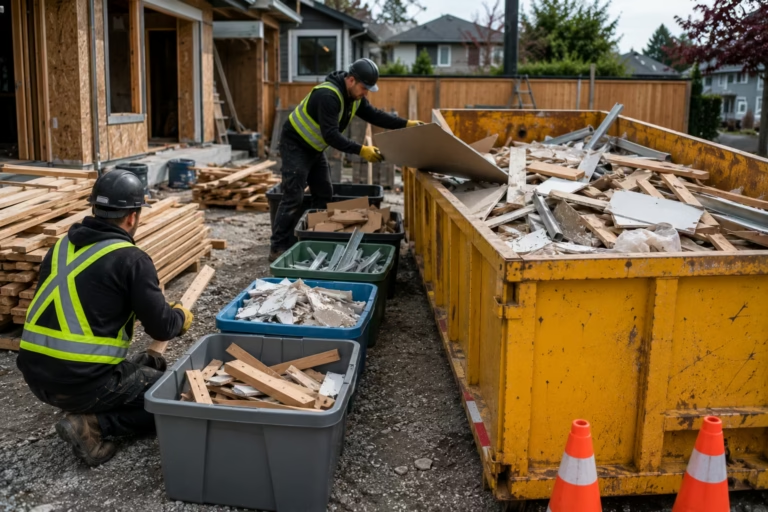
Once items are confirmed for removal, sort them into practical categories. Possible categories include garbage, donation-suitable items, recycling, appliances, scrap metal, mattresses, electronics, renovation debris, and restricted materials. This makes pickup more organized and reduces the risk of improper disposal.
If the job includes sensitive items such as documents, personal effects, medication, chemicals, or electronics with stored data, separate those before the junk removal crew arrives. Standard junk removal is not a substitute for legal review, privacy handling, hazardous disposal, or secure document destruction.
Direct Answer: What Is the Best Junk Removal Option for Property Managers?
The best junk removal option for property managers is the service that matches the property type, item list, access conditions, and timeline. For a single rental unit, crew-loaded junk removal may be the simplest option. For a large renovation or multi-unit cleanup, bin rental or staged hauling may be better. For a commercial turnover, scheduled loading dock pickup may be the cleanest solution.
Junk removal for property managers should be chosen based on the job, not only the price. A lower-cost option can become more expensive if it causes elevator delays, tenant complaints, extra staff time, or repeated trips. The most practical option is the one that clears the space safely and keeps the property schedule moving.
For urgent cleanups, same-day or next-day pickup may be useful when access is ready and the item list is clear. For larger cleanouts, a scheduled walkthrough, photo review, or staged plan may be more reliable.
Rental Unit Turnovers and Move-Out Cleanouts
Move-out cleanouts are one of the most common reasons to book junk removal for property managers. A tenant may leave behind furniture, mattresses, kitchen items, boxes, clothing, small appliances, garbage bags, broken shelving, or storage locker contents.
A clean turnover process starts with documentation. Property managers should photograph the unit, confirm what is being removed, and separate anything that needs special handling. Once the removal is approved, the crew can clear the items so cleaners, maintenance staff, and repair contractors can access the space.
Timing matters. If junk removal is delayed, painters may not be able to start. Cleaners may have to work around debris. New tenants may see an unfinished unit. Booking removal early in the turnover process can prevent several downstream delays.
For multi-unit portfolios, it may be useful to group non-urgent pickups by building or area. This can reduce repeated access coordination and keep maintenance teams focused on repair and inspection work.
Strata and Apartment Building Junk Removal
Strata and apartment buildings often need junk removal for garbage rooms, parkades, storage lockers, amenity spaces, corridors, move-out areas, and loading zones. Items may be left by residents, tenants, contractors, or unknown parties.
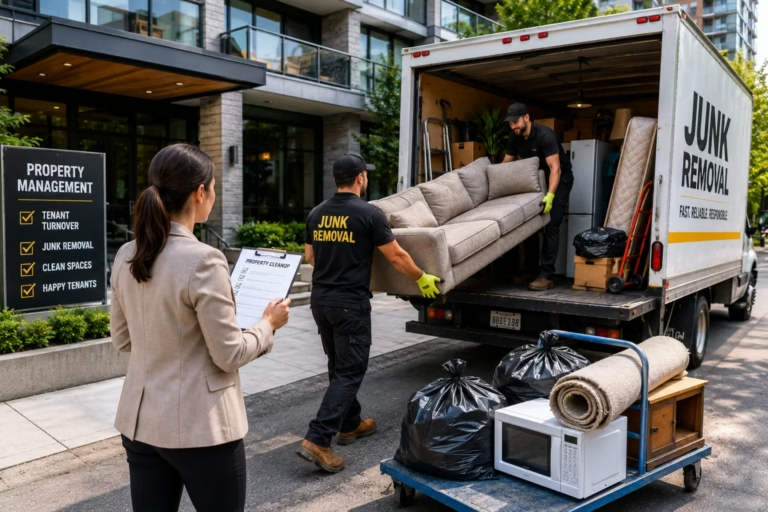
Junk removal for property managers in strata buildings should be coordinated with building rules. Some properties require notices before large pickups. Others require specific loading hours, elevator pads, concierge coordination, or service entrance use.
Common strata items include mattresses, couches, chairs, appliances, shelving, bicycles, boxes, abandoned renovation material, and broken household goods. If items appear repeatedly in the same area, managers may also need signage, tenant communication, or a recurring pickup plan.
City disposal resources can help residents understand what belongs where. The City of Vancouver’s waste disposal guide gives residents item-sorting direction for common household materials and special disposal categories. Property managers can use resources like this to support resident education, while using professional hauling for bulky items that require pickup.
Commercial Property Cleanouts and Tenant Improvements
Commercial properties create different removal needs. A retail tenant may leave shelving, displays, counters, racks, packaging, and stockroom clutter. An office tenant may leave desks, chairs, filing cabinets, partitions, electronics, and kitchen appliances. A warehouse tenant may leave pallets, racks, fixtures, scrap material, and general debris.
Junk removal for property managers in commercial spaces should be aligned with leasing, restoration, and tenant improvement schedules. Removing old fixtures early can help contractors begin work faster. Clearing clutter before showings can make the space easier to market.
Commercial cleanouts may require after-hours service, loading dock coordination, property security access, and communication with building operators. A clear scope of work helps avoid removing items that belong to the landlord, incoming tenant, or active building operations.
If the project includes construction debris from a tenant improvement or light demolition, Rocky Junk Removal’s construction debris removal services can support accepted non-hazardous waste from renovation and job-site cleanup.
Property Manager Junk Removal Checklist
Use this checklist before booking junk removal for property managers:
- Confirm the items are approved for removal, disposal, donation, or recycling.
- Review abandoned-property obligations before removing tenant belongings.
- Take photos of every room, pile, appliance, common area, or storage locker being cleared.
- Create a clear item list, including furniture, mattresses, appliances, boxes, debris, and special items.
- Identify heavy items, stairs, elevators, narrow hallways, parkade limits, and loading dock rules.
- Book elevator padding, service entrances, loading zones, or concierge access if required.
- Separate hazardous chemicals, asbestos, flammable products, biohazards, and unknown substances.
- Keep sensitive documents, personal effects, and electronics with data separate from junk loads.
- Confirm whether items may be suitable for donation or recycling.
- Tell the removal team if the job is time-sensitive because of a showing, move-in, inspection, or contractor schedule.
- Confirm whether bin rental, crew-loaded removal, or staged pickups are best for the property.
- Keep common areas clear while the pickup is being staged.
Safety and Compliance Considerations
Property managers should keep safety at the centre of every cleanup. Large items can damage walls, elevators, flooring, doors, and stairwells if they are moved without planning. Heavy lifting can also create injury risk for staff, residents, tenants, or untrained helpers.
Restricted materials are another concern. Rocky Junk Removal does not accept hazardous chemicals, asbestos, flammable products, or biohazard materials as part of standard junk removal. If a unit contains unknown containers, fuel, solvents, pesticides, contaminated material, or suspect construction material, separate those items and arrange proper handling.
Older buildings require extra caution when debris comes from renovation or demolition. Materials such as old drywall compound, flooring, insulation, ceiling texture, or pipe wrap may require assessment before disturbance or removal. Do not mix suspect materials into a general junk load.
Junk removal for property managers should support safe building operations. The loading path should be controlled, residents should be kept away from moving areas where practical, and the crew should know about stairs, tight corners, elevator rules, and fragile surfaces before removal begins.
When Same-Day Junk Removal Helps Property Managers
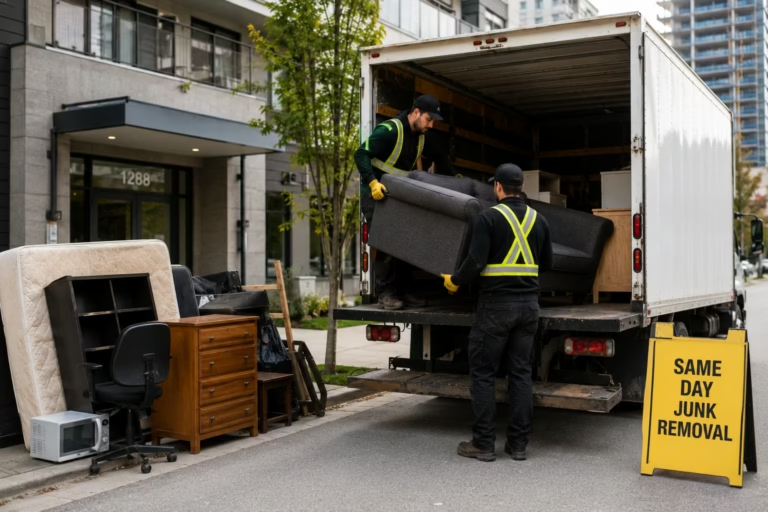
Same-day junk removal for property managers is useful when items block a turnover, inspection, repair, showing, move-in, or commercial handover. It can also help when abandoned items create complaints in a garbage room, lobby, parkade, alley, or loading area.
Same-day service works best when the item list is clear and access is ready. A pickup with photos, parking details, elevator instructions, and an on-site contact is easier to schedule than a vague request with unknown access.
Urgent jobs may include a couch left in a hallway, a mattress in a parkade, an appliance blocking installation, or a rental unit full of abandoned contents before cleaners arrive. In each case, the removal plan should still follow legal, safety, and building procedures.
If the job is large or complex, next-day or staged service may be more practical. The goal is not only speed. The goal is a clean removal that does not create new property, tenant, or compliance problems.
Bin Rental vs Crew-Loaded Removal for Managed Properties
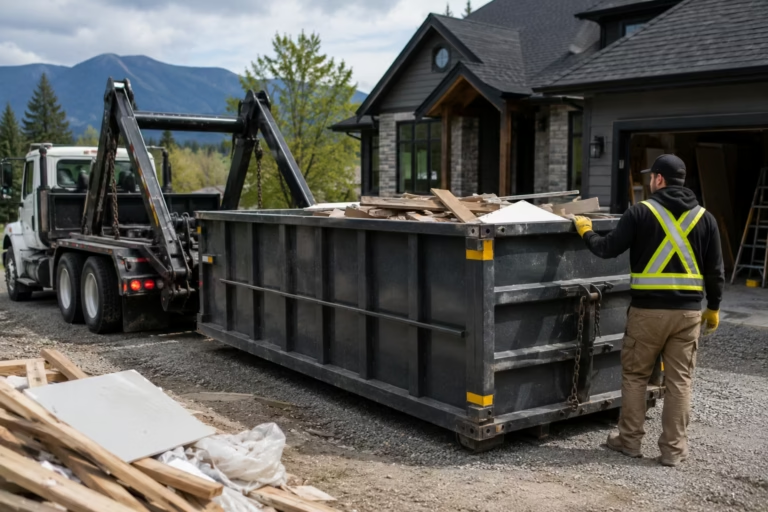
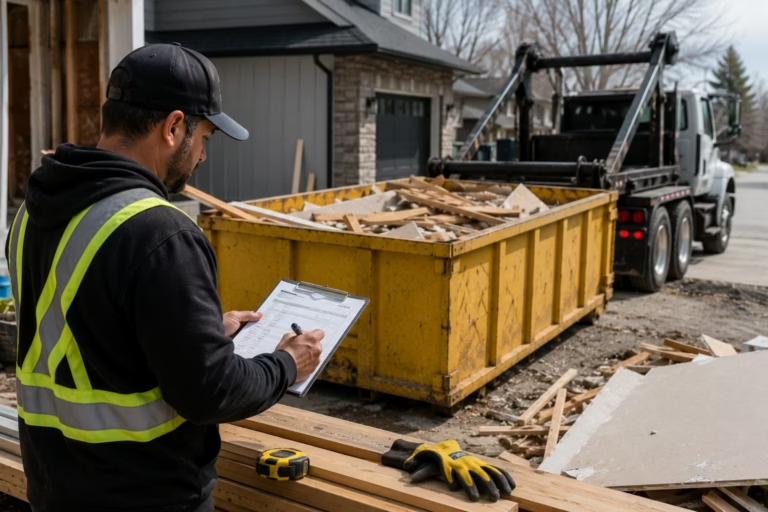
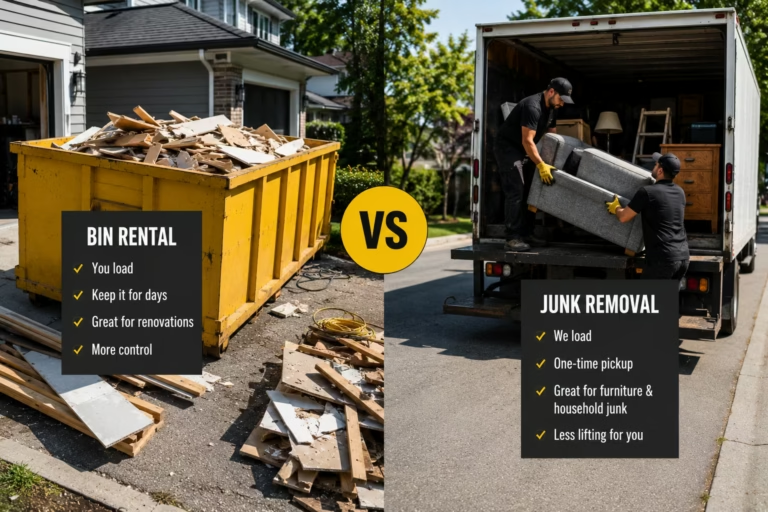
Bin rental can work well when a property has ongoing debris from renovation, maintenance, landscaping, or multi-unit cleanup. A bin gives staff and contractors a central place to load approved material over a defined period.
Crew-loaded junk removal is often better when property staff should not handle lifting, when a fast unit cleanout is needed, or when a bin cannot be left on-site. This is common in condo buildings, downtown properties, commercial loading zones, and buildings with tight parking.
Junk removal for property managers may also use live loading. In a live load, a truck or bin arrives, the material is loaded during a short window, and the container leaves immediately. This can help when a property cannot keep a bin on-site overnight.
For larger planned cleanups, Rocky Junk Removal’s garbage bin rental service may be appropriate. For smaller or more access-sensitive jobs, crew-loaded hauling may be the cleaner operational choice.
How Property Managers Can Reduce Repeat Junk Problems
Repeat junk problems usually need more than one pickup. If the same areas collect abandoned items, the property may need better signage, resident communication, move-out instructions, loading area rules, or a recurring removal schedule.
Property managers can reduce issues by including bulky-item rules in move-out packages. Tenants should know that mattresses, couches, appliances, and furniture cannot simply be left in garbage rooms or parkades. Clear instructions reduce confusion and make enforcement easier.
Building staff should also have a reporting process. When an item appears, staff should photograph it, note the location, check whether it creates a safety issue, and notify the property manager. This allows the manager to decide whether it should be stored, investigated, removed, or escalated.
Junk removal for property managers becomes more efficient when it is part of a broader building operations system. The goal is fewer emergency pickups, fewer complaints, and cleaner shared spaces.
What Affects Pricing for Property Management Junk Removal?
Pricing can depend on item volume, item weight, labour, access, stairs, elevator use, parking, disposal requirements, and whether the load includes furniture, appliances, mattresses, scrap metal, renovation debris, or commercial fixtures.
A small pickup from a ground-level storage room is different from a full apartment cleanout on an upper floor with elevator booking rules. A few pieces of furniture are different from a mixed commercial cleanout with shelving, desks, appliances, and construction debris.
Good photos help produce a better estimate. Property managers should include images of the items, the room, the hallway, stairs, elevator, loading dock, and parking area. This reduces uncertainty and helps the crew bring the right equipment and staffing.
For ongoing portfolios, it may also be useful to discuss repeat service needs. A property manager with multiple buildings may need move-out cleanouts, monthly common-area pickups, seasonal storage clearing, or support after renovation projects.
Local Service Planning Across Vancouver and the Lower Mainland
Junk removal for property managers depends heavily on local property conditions. Vancouver buildings may have tight loading zones and condo rules. Burnaby properties may include high-rise towers, older rental buildings, and mixed-use sites. Surrey, Langley, Delta, Richmond, Abbotsford, Maple Ridge, Chilliwack, and Pitt Meadows may involve larger sites, townhomes, warehouses, or commercial properties.
Each location has different access realities. A downtown tower may require concierge coordination. A suburban rental home may offer easier driveway access but more bulky contents. A warehouse may need loading dock timing. A strata complex may require council-approved cleanup scheduling.
Rocky Junk Removal serves Vancouver and the broader Lower Mainland with residential junk removal, commercial cleanouts, construction debris removal, bin rental, appliance pickup, furniture removal, and related hauling services. Property managers can review coverage on the Rocky Junk Removal service area page.
When requesting service, include the city, property type, access details, item list, photos, and preferred timing. This makes junk removal for property managers easier to schedule and more reliable on pickup day.
Book Property Management Junk Removal With Better Information
The fastest way to get a practical quote is to send the right details first. Include the property address or neighbourhood, item list, photos, access instructions, building rules, loading area, and any time restrictions. If the cleanup is connected to a move-in, move-out, repair, inspection, or showing, mention the deadline.
For abandoned items, confirm that they are cleared for removal before booking. For appliances, confirm whether they are disconnected. For renovation debris, confirm whether the material is accepted and non-hazardous. For commercial cleanouts, confirm which fixtures or contents are being removed and which must remain.
Rocky Junk Removal can support junk removal for property managers with one-time pickups, recurring cleanouts, unit turnover support, appliance removal, furniture hauling, commercial cleanouts, and construction debris removal. To plan a pickup, send the job details through the Rocky Junk Removal contact page.
Junk Removal for Property Managers: Final Takeaway
Junk removal for property managers is a practical part of operating clean, safe, and market-ready buildings. It helps clear abandoned furniture, appliances, mattresses, storage clutter, commercial fixtures, move-out debris, and accepted renovation material before they slow turnovers, create complaints, or block building operations.
The most reliable results come from clear documentation, proper abandoned-item handling, confirmed access, safe staging, and a removal plan matched to the property type. Rocky Junk Removal supports junk removal for property managers across Vancouver, Burnaby, Surrey, Richmond, Delta, Langley, Abbotsford, Maple Ridge, Chilliwack, Pitt Meadows, and the broader Lower Mainland with professional hauling, bin rental, residential cleanouts, commercial junk removal, and construction debris support.