Responsible Sorting Starts After the Truck Leaves
What happens to your junk after pickup depends on the type of material, the condition of the items, local facility rules, donation options, recycling options, and whether anything needs special handling. A professional junk removal job does not end when the truck pulls away from your driveway, loading bay, condo, office, or renovation site.
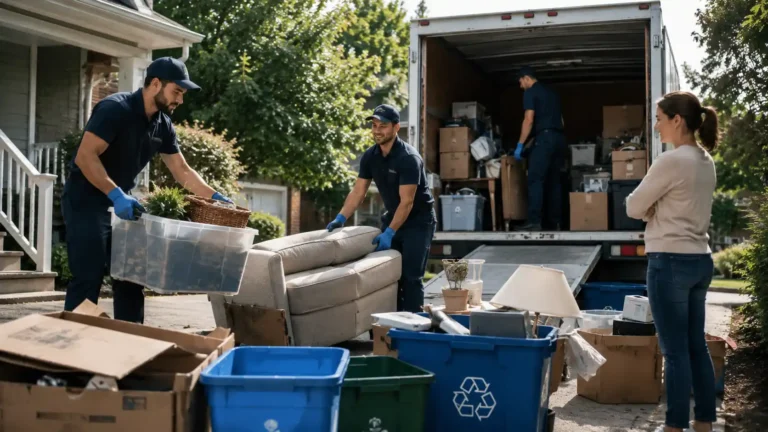
Many customers ask this question because they do not want everything treated as garbage. A couch may still be usable. Scrap metal may be recyclable. Clean cardboard may belong in a different stream. Appliances may contain recoverable materials. Renovation debris may need sorting before disposal. The right process starts with identifying what is actually in the load.
Rocky Junk Removal supports residential, commercial, construction, and property management clients across Vancouver, Burnaby, Surrey, Richmond, Delta, Langley, Abbotsford, Maple Ridge, Chilliwack, Pitt Meadows, and the broader Lower Mainland. This guide explains what happens to your junk after pickup, how sorting decisions are made, and why responsible handling matters.
Why Post-Pickup Sorting Matters
Junk removal is often seen as a simple service: items are loaded into a truck and taken away. In practice, the post-pickup process matters because different materials have different destinations. Treating every item the same can waste reusable goods, contaminate recyclable materials, and create problems at disposal facilities.
What happens to your junk after pickup matters for homeowners, landlords, contractors, business owners, and property managers. The items may have come from a move, renovation, tenant turnover, estate cleanout, office refresh, retail reset, or construction job. Each situation can produce a different mix of furniture, appliances, packaging, wood, metal, drywall, and general clutter.
A responsible hauling process starts with sorting. Items that appear similar at pickup may need different handling after the load is reviewed. For example, a broken particleboard dresser is different from a solid wood table in good condition. A working appliance is different from one that needs recycling. Clean scrap metal is different from mixed demolition debris.
Rocky Junk Removal’s approach is built around practical sorting, donation where suitable, recycling where available, and safe disposal for remaining accepted materials. The goal is not to make unrealistic promises. The goal is to handle each load in a responsible, organized, and locally appropriate way.
6 Smart Answers: What Happens to Your Junk After Pickup
The exact path depends on the load, but the same basic decision points apply. These six answers explain what happens to your junk after pickup and how a professional removal company thinks through the next step.
1. The load is reviewed by item type
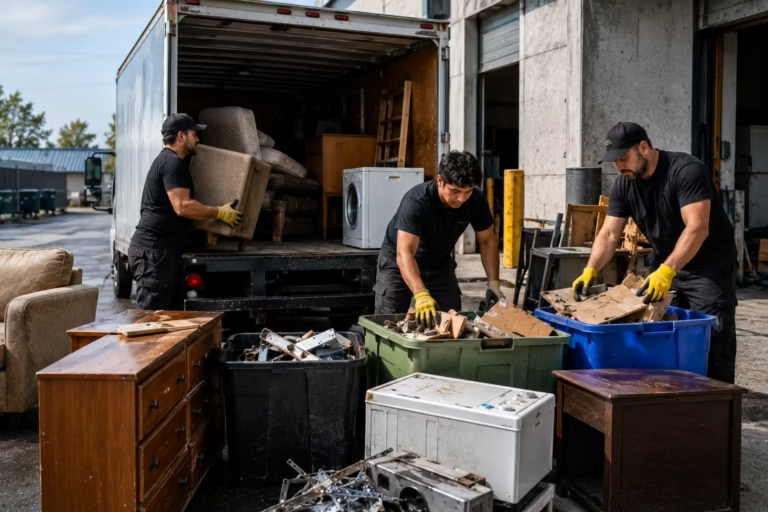
The first step is identifying the material mix. A truck may contain furniture, mattresses, appliances, cardboard, wood, scrap metal, renovation debris, office fixtures, household goods, or commercial items. A clean load is easier to direct than a mixed load with many material categories.
What happens to your junk after pickup starts with this review because the item type affects every later decision. Reusable furniture may be separated from broken items. Appliances may be kept apart from general junk. Construction debris may need a different disposal path than household clutter.
2. Reusable items are considered for donation or reuse
Some items may still have value if they are clean, functional, complete, and accepted by a local receiving organization. This can include certain furniture, household goods, shelving, office items, and working appliances. Donation is not automatic because charities and reuse centres have their own condition rules, space limits, and acceptance policies.
Still, reuse is an important part of what happens to your junk after pickup. If an item can be redirected for a second life, that is usually better than disposal. Rocky Junk Removal prioritizes local donation coordination where practical and where the item condition makes sense.
3. Recyclable materials are separated where possible
Many junk loads include materials that may be recyclable through the correct channels. Scrap metal, clean cardboard, certain appliances, electronics, some plastics, and clean wood may have better options than landfill disposal when they are separated properly.
The Recycling Council of British Columbia provides province-wide information about recycling, reuse, repair, and stewardship programs through its RCBC recycling resources. This type of resource helps customers and service providers understand that what happens to your junk after pickup can involve more than one destination.
4. Construction and renovation debris may follow a separate path
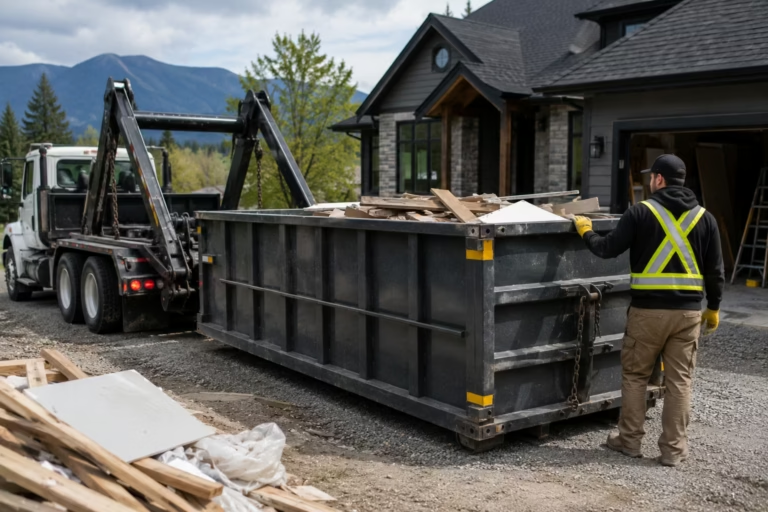
Renovation and construction debris can include wood, drywall, flooring, cabinets, doors, trim, scrap metal, tile, concrete, packaging, and mixed demolition waste. These materials often need different handling than normal household junk.
Metro Vancouver notes that construction, renovation, and demolition materials are a major regional waste stream and encourages recycling and reuse planning for building materials. Their construction and demolition waste guidance is useful for understanding why what happens to your junk after pickup is especially important on job sites and renovation projects.
5. Restricted materials are kept out of standard junk loads
Some materials should not be part of standard junk removal. Rocky Junk Removal does not accept hazardous chemicals, asbestos, flammable products, or biohazard materials as part of regular hauling. These materials require proper assessment, containment, handling, and disposal through the correct channel.
This is a safety issue, not just a disposal issue. What happens to your junk after pickup should never involve mixing hazardous or restricted material into a general load. Customers should identify suspect items before the crew arrives so they can be separated and handled appropriately.
6. Remaining accepted waste goes to proper disposal
After donation and recycling options are considered, some accepted material may still need disposal. Broken, contaminated, heavily damaged, incomplete, or non-recyclable items may not have a practical reuse or recycling path.
Responsible disposal is still part of what happens to your junk after pickup. The objective is to avoid careless dumping and use appropriate local facilities for accepted waste. A professional company should understand that hauling is only one part of the process; the final handling path matters too.
What Happens to Furniture After Junk Pickup?
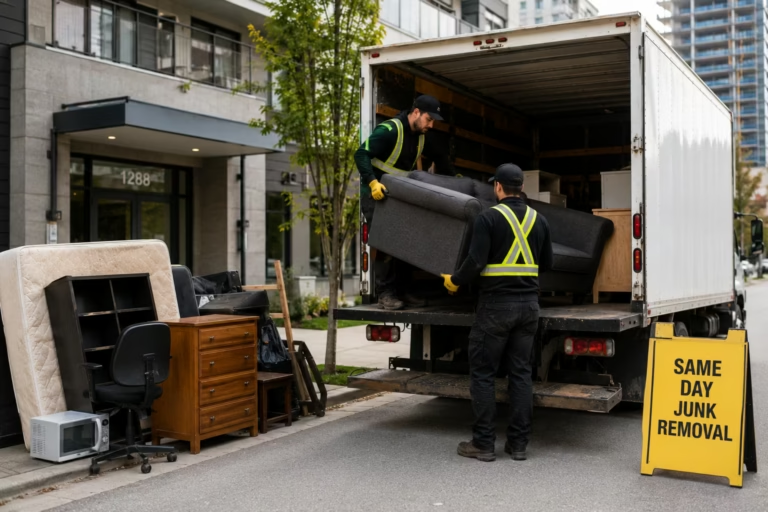
Furniture is one of the most common categories in junk removal. Couches, chairs, desks, tables, dressers, shelving, bed frames, mattresses, cabinets, and office furniture often come from moves, estate cleanouts, tenant turnovers, remodels, and commercial updates.
What happens to your junk after pickup depends heavily on furniture condition. A clean, solid, usable item may be considered for donation or reuse. A broken sofa, damaged mattress, cracked particleboard desk, or heavily worn item may not be accepted by donation organizations and may need disposal or material recovery where available.
Furniture is also bulky. Even when it is not extremely heavy, it takes up truck space and facility space. This is one reason donation cannot be guaranteed for every item. Reuse organizations may decline furniture because of stains, damage, missing parts, safety concerns, pests, fabric condition, or lack of storage space.
For customers, the best approach is to separate reusable furniture from damaged items before pickup. If you think an item may be suitable for donation, mention that when booking. Rocky Junk Removal’s furniture removal service can help remove bulky furniture and direct accepted items toward the most practical available handling path.
What Happens to Appliances After Pickup?
Appliances often require different handling than general junk. Refrigerators, freezers, washers, dryers, stoves, dishwashers, microwaves, and compact appliances may contain metal and components that can be recovered through recycling channels.
What happens to your junk after pickup is especially important for appliances because some items need careful handling. Refrigerators, freezers, air conditioners, and dehumidifiers can contain refrigerants or other components that should not be handled casually by customers.
Working appliances may be considered for reuse if they are clean, functional, and accepted by a receiving organization. Broken or outdated appliances may be directed toward recycling or proper disposal depending on the item type and local options.
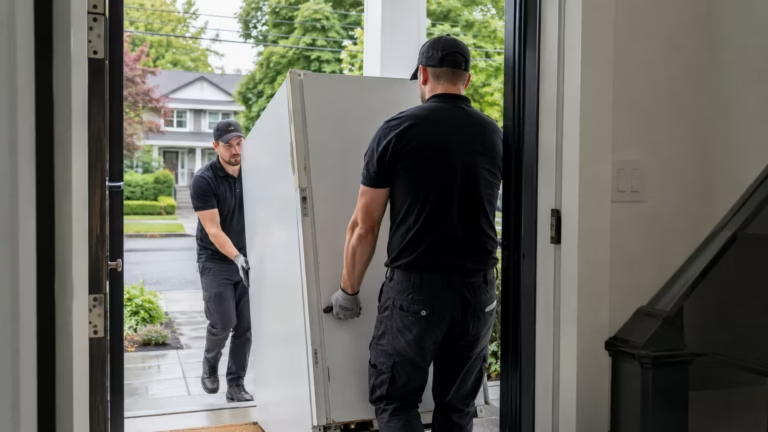
Customers should not dismantle appliances before pickup unless specifically instructed by the appropriate facility or qualified professional. Keep appliances intact, empty them, disconnect them safely, and tell the removal team what is included. Rocky Junk Removal’s appliance removal service can support old appliance pickup for homes, condos, rental properties, and commercial spaces.
What Happens to Construction Debris After Pickup?
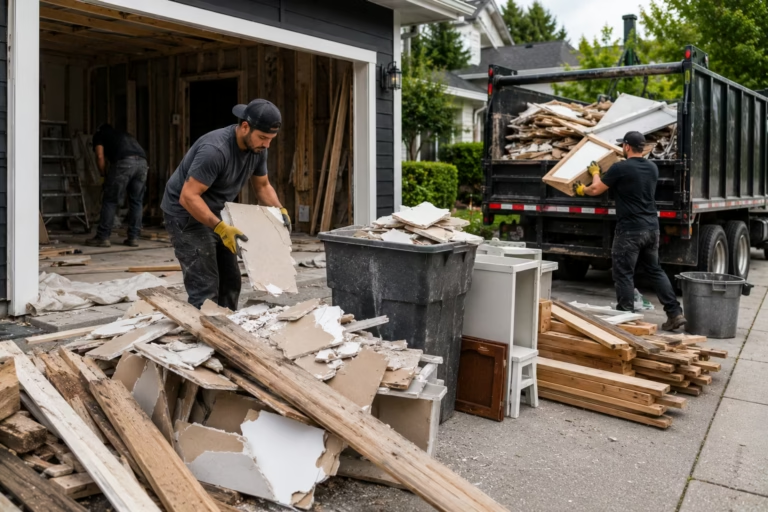
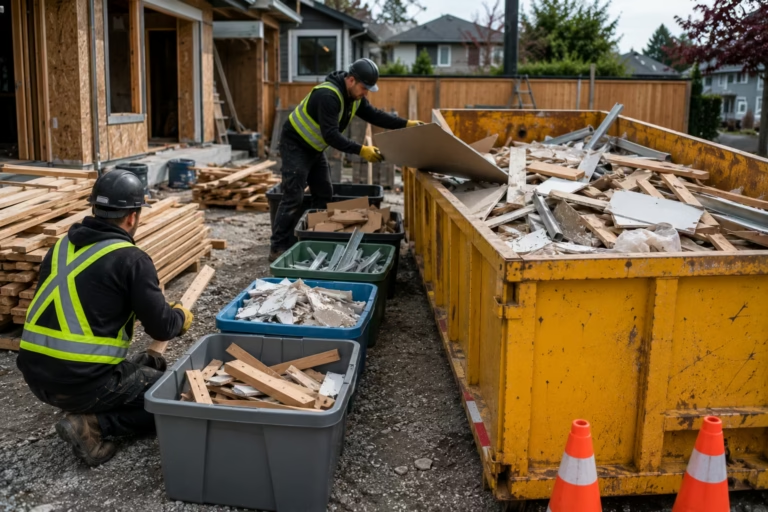
Construction debris can be more complicated than household junk because it often includes multiple material types in one load. Wood offcuts, drywall, flooring, cabinets, doors, trim, scrap metal, cardboard, tile, concrete, and fixtures may all come from the same project.
What happens to your junk after pickup depends on whether the debris was sorted before loading. Clean wood is easier to handle than mixed demolition debris. Scrap metal is easier to recover when separated. Cardboard is easier to recycle when it is clean and not buried under wet or dusty materials.
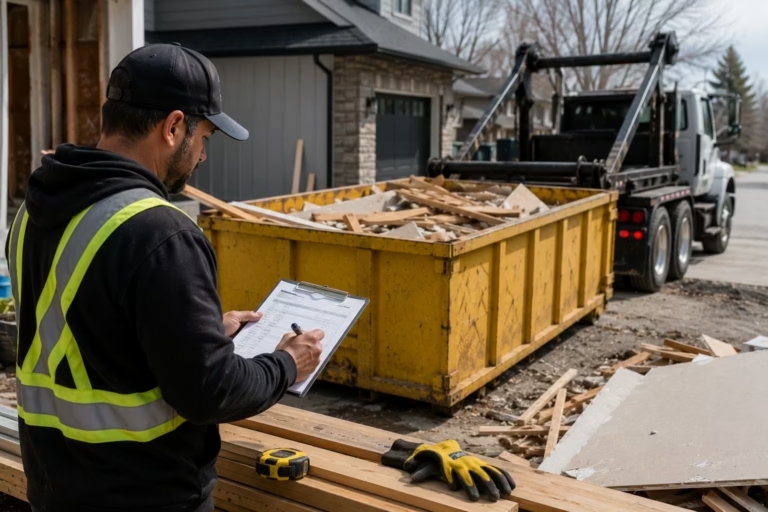
Drywall, tile, concrete, soil, roofing, and other dense materials should be discussed before pickup or bin rental. Weight, facility rules, and safety requirements can affect how the load is handled. Older building materials may also require caution if asbestos or other hazardous materials are suspected.
For contractor and renovation jobs, a planned debris strategy can improve the post-pickup process. Rocky Junk Removal provides construction debris removal services for accepted non-hazardous construction and renovation materials across the Lower Mainland.
What Happens to Commercial Junk After Pickup?
Commercial junk can include office furniture, shelving, displays, fixtures, warehouse contents, packaging, pallets, outdated equipment, retail debris, and storage room clutter. These jobs often happen during tenant improvements, business moves, lease endings, renovations, or inventory changes.
What happens to your junk after pickup depends on whether the load includes reusable office furniture, recyclable metal shelving, cardboard, mixed junk, or renovation material. A clean commercial load can often be sorted more efficiently than a last-minute mixed pile.
Businesses should separate sensitive documents, electronics with stored data, active inventory, landlord fixtures, and items that should not be removed. Standard junk removal is not a substitute for secure document destruction, data handling, hazardous waste disposal, or specialized recycling requirements.
Rocky Junk Removal’s commercial junk removal service can help offices, retail stores, warehouses, and commercial properties clear accepted non-hazardous items while keeping reusable and recyclable materials in mind where practical.
How Donation Decisions Are Made
Donation is based on condition, demand, safety, cleanliness, transport logistics, and acceptance rules. A removal company can identify items that look donation-suitable, but the final decision often depends on the organization receiving the goods.
What happens to your junk after pickup may include donation when items are clean, useful, and accepted. Examples may include certain tables, chairs, shelving, dressers, small household goods, or working appliances. Items with stains, odours, damage, missing parts, safety concerns, or heavy wear may be declined.
Customers can improve donation potential by keeping reusable items separate and clean before pickup. If everything is thrown into one mixed pile, reusable items may be damaged or contaminated before they can be considered.
Donation is not always possible, but it is worth considering. When practical, keeping functioning items in circulation can reduce waste and support local reuse pathways.
How Recycling Decisions Are Made
Recycling depends on material type, cleanliness, separation, local facility rules, and program availability. Scrap metal, cardboard, some electronics, appliances, and clean wood may have established recycling paths. Mixed or contaminated material is harder to recycle.
What happens to your junk after pickup can be more efficient when materials are separated before they enter the truck. For example, a pile of clean cardboard is easier to direct than cardboard mixed with food waste, wet debris, broken glass, or dusty construction material.
Some products fall under stewardship programs or specialized recycling networks. Others may require drop-off at specific facilities. This is why a responsible junk removal company does not treat every item as ordinary garbage.
Customers can help by identifying electronics, appliances, scrap metal, cardboard, clean wood, and special items during booking. That gives the crew better information and improves the chance of practical sorting after pickup.
What Items Should Not Be Included in Standard Junk Pickup?
Some materials should be kept out of standard junk removal loads. These include hazardous chemicals, asbestos, flammable products, biohazards, fuels, solvents, pesticides, medical waste, and unknown dangerous substances.
What happens to your junk after pickup should never involve unsafe mixing of restricted materials. If a customer includes hazardous material in a general load, it can create risk for workers, the property, the truck, transfer facilities, and the public.
Older renovation debris also needs caution. Drywall compound, ceiling texture, vinyl flooring, insulation, adhesives, and pipe wrap may require assessment depending on building age and condition. If material may contain asbestos, stop and arrange the proper process before pickup.
If you are unsure about an item, ask before the crew arrives. It is better to identify restricted material early than to discover it after the truck is loaded.
Post-Pickup Sorting Checklist
Use this checklist to understand what happens to your junk after pickup and how to prepare items before the crew arrives:
- Separate reusable furniture from broken or damaged furniture where practical.
- Identify working appliances before pickup.
- Keep scrap metal, cardboard, and clean wood separate if possible.
- Tell the crew about electronics, appliances, mattresses, and large furniture.
- Separate renovation debris from household junk where practical.
- Do not include hazardous chemicals, asbestos, flammable products, or biohazards.
- Keep unknown containers, fuel, solvents, paint, and pesticides out of standard junk loads.
- Do not dismantle appliances or suspect materials without proper guidance.
- Keep donation-suitable items clean and dry.
- Take photos before booking so the removal team can identify material categories.
- Label anything that must stay so it is not removed by mistake.
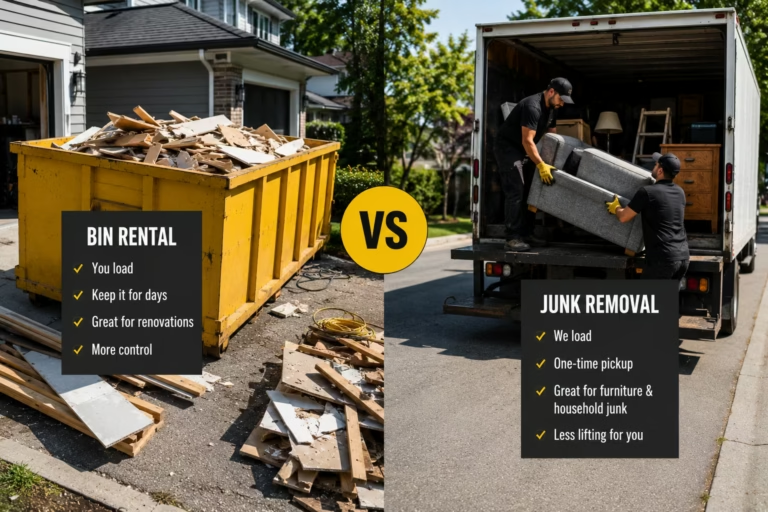
- Ask whether bin rental, crew-loaded removal, or staged pickup is best for mixed loads.
Why Sorting Before Pickup Helps
Customers can influence what happens to your junk after pickup by preparing items before the truck arrives. Sorting does not need to be complicated. Even basic separation can make a meaningful difference.
Place reusable items together. Keep scrap metal away from upholstered furniture. Separate clean cardboard from wet debris. Keep appliances accessible. Do not bury special items under general junk. These small steps make the post-pickup review faster and cleaner.
For construction or renovation jobs, separate wood, drywall, metal, cardboard, and general debris where practical. If the site is too tight for full sorting, take photos and explain the material mix before booking.
The cleaner the load, the more options there may be after pickup. Mixed loads can still be handled responsibly, but sorting before pickup improves visibility and reduces the chance that useful material becomes disposal-bound.
How This Process Supports Local Customers
What happens to your junk after pickup is especially relevant in the Lower Mainland because disposal options, recycling facilities, donation capacity, building access, and local rules can vary by community. A pickup in Vancouver may have different logistics than a job in Surrey, Burnaby, Langley, or Chilliwack.
Rocky Junk Removal works across residential homes, condos, apartments, commercial spaces, warehouses, retail stores, renovation sites, and contractor jobs. The post-pickup process must be flexible enough to handle furniture one day, construction debris the next, and commercial shelving after that.
For customers, the benefit is practical. You do not need to know every facility rule before requesting pickup, but you should provide clear information about the items, condition, access, and timing. This helps the team plan the best removal and sorting route.
You can review Rocky Junk Removal’s broader local coverage through the service area page before booking a pickup in Vancouver, Burnaby, Surrey, Richmond, Delta, Langley, Abbotsford, Maple Ridge, Chilliwack, Pitt Meadows, or nearby communities.
Book Junk Removal With Responsible Handling in Mind
When you book junk removal, ask more than “how fast can it be picked up?” Ask what information helps the team sort the load correctly. Item lists, photos, building access notes, donation interest, and material categories can all improve the process.
What happens to your junk after pickup is easier to manage when the crew understands the load before arrival. A single couch, a garage cleanout, a tenant turnover, a commercial office cleanup, and a construction debris pile all need different planning.
Rocky Junk Removal can help with residential junk removal, commercial cleanouts, construction debris removal, renovation debris hauling, appliance pickup, furniture removal, and bin rental. To schedule service, send photos, item details, access notes, and preferred timing through the Rocky Junk Removal contact page.
What Happens to Your Junk After Pickup: Final Takeaway
What happens to your junk after pickup depends on the item type, condition, material mix, local recycling options, donation acceptance, safety requirements, and disposal rules. Reusable items may be considered for donation, recyclable materials may be separated, appliances may follow specific handling paths, construction debris may need different sorting, and remaining accepted waste may go to proper disposal.
Rocky Junk Removal serves Vancouver and the broader Lower Mainland with a practical, sorting-aware approach to junk removal. If you want to improve what happens to your junk after pickup, start by preparing the load clearly: separate reusable items, identify appliances and recyclable materials, keep restricted items out, and share accurate photos before booking.