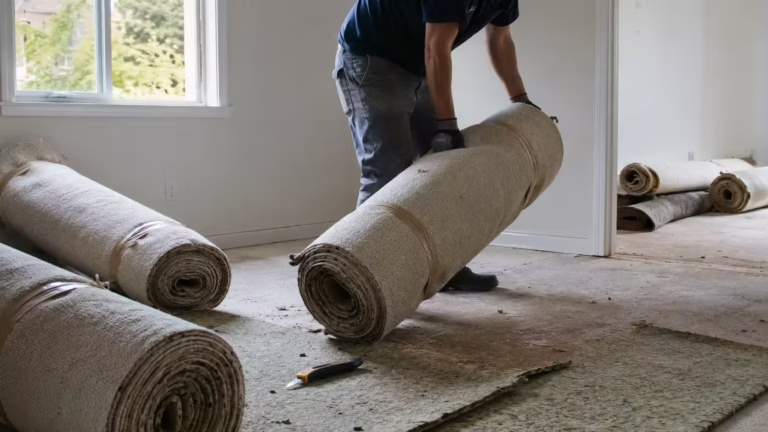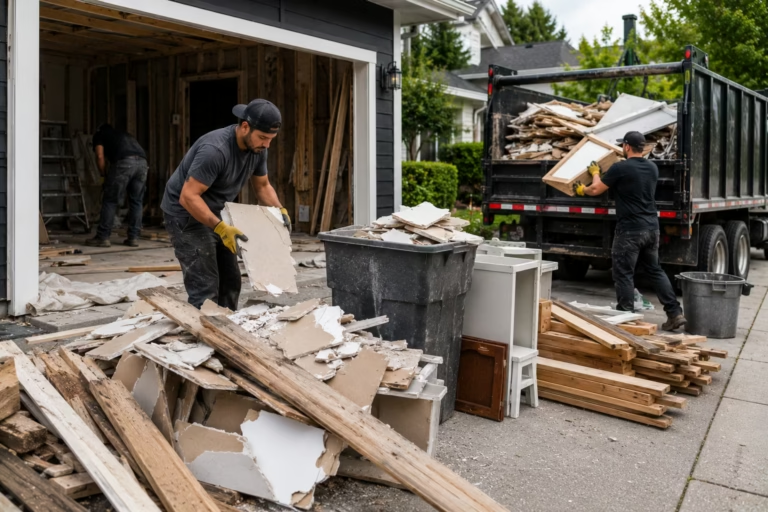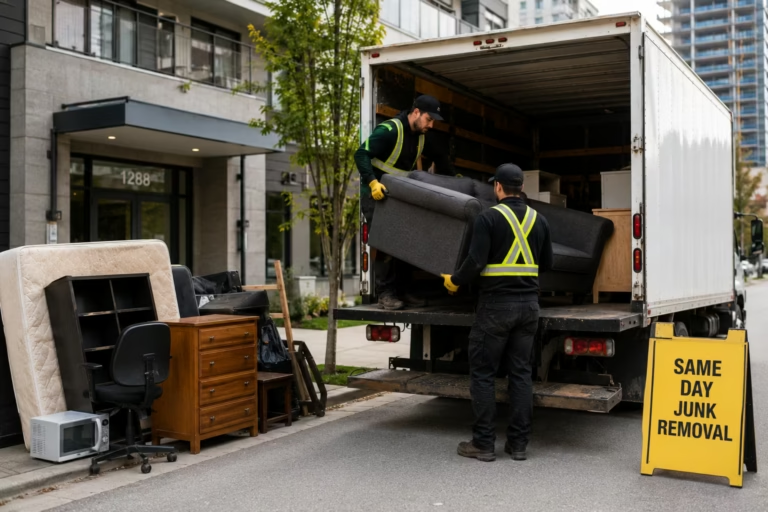

Getting rid of a worn-out sofa or bulky dining table is rarely as simple as carrying it outside. Large furniture can be difficult to move, may not fit in a regular vehicle, and should not be abandoned beside a building or in an alley.
Fortunately, residents have several options for furniture disposal Vancouver BC, including donation, resale, recycling, self-hauling, and professional pickup. The right choice depends on the furniture’s condition, your building access, the number of items, and how quickly the space needs to be cleared.
This guide from Rocky Junk Removal explains how to choose a practical, responsible, and cost-effective solution.
Furniture Disposal Options in Vancouver
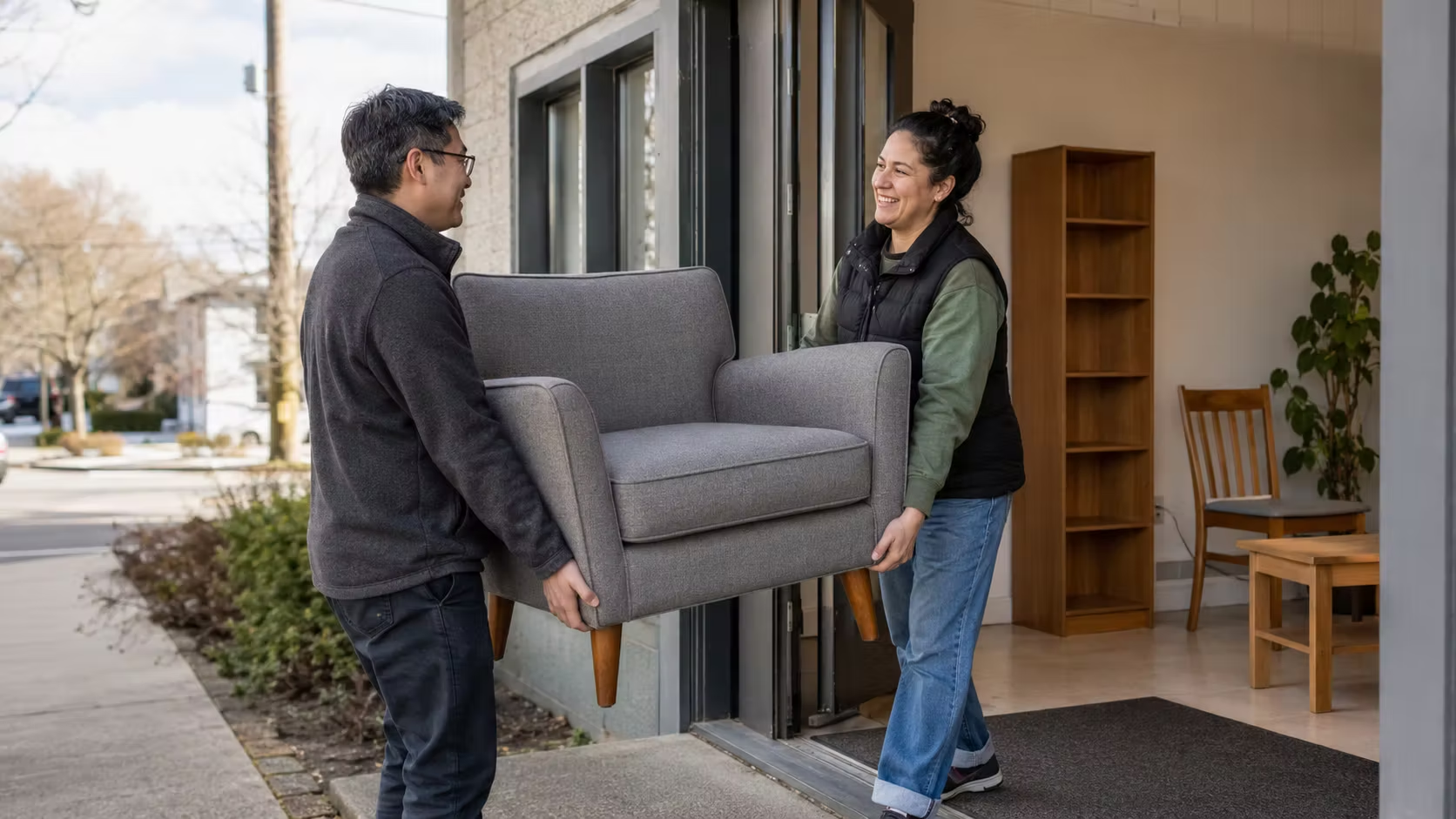
Before deciding where your furniture should go, inspect its condition honestly. A clean, functional table may be useful to another household, while a broken particleboard desk or stained couch will likely require recycling or disposal.
Donate or Sell Usable Furniture
Donation and resale should generally be considered first when furniture is still safe, clean, and functional. Extending an item’s useful life keeps it out of the waste stream and may help another family furnish its home affordably.
Furniture may be suitable for reuse if it:
- Is structurally stable
- Has no broken frames or exposed hardware
- Is clean and free from strong odours
- Has no signs of mould, moisture damage, or pests
- Can be moved safely without falling apart
- Includes all essential parts and hardware
You can list usable furniture through local online marketplaces, neighbourhood groups, or community “buy nothing” networks. Clear photos, accurate measurements, and an honest description make it easier to find a new owner.
Some charities and reuse organizations also accept furniture, but their rules vary. Upholstered items may be refused if they are stained, damaged, recalled, or difficult to resell. Pickup is not always available, so confirm the organization’s acceptance requirements before moving anything.
If a sofa or mattress may have bed bugs, do not donate or sell it. Wrap or contain the item when possible and tell the removal provider about the infestation before pickup.
Recycle Damaged Furniture
A damaged item may contain several recoverable materials, including:
- Solid wood
- Steel frames and springs
- Aluminum components
- Certain plastics
- Clean, untreated lumber
- Cardboard backing
However, furniture is usually made from mixed materials. A couch may combine fabric, foam, wood, metal, glue, and plastic, making it unsuitable for regular curbside recycling.
Do not assume that placing an entire chair or table in a recycling area means it will be recycled. Check how the item must be separated and which facility accepts each material. The Metro Vancouver Recycles database can help residents find current donation and recycling options by item type and location.
Furniture made with particleboard, laminate, painted wood, or attached upholstery may need to be treated as garbage when it cannot be separated. Acceptance rules differ among facilities, so confirm them before loading your vehicle.
Use a Professional Furniture Pickup Service
Professional pickup is often the simplest solution when furniture is heavy, located upstairs, or part of a larger cleanout. A removal crew can handle lifting, disassembly, loading, transportation, and sorting.
This option is especially practical when:
- You are removing a sectional sofa or bedroom set
- Furniture must be carried through stairs or narrow hallways
- You live in a condo with booking or elevator restrictions
- Several rooms need to be cleared
- You do not have access to a truck
- Pickup must be coordinated with a move or renovation
- You want reusable and recyclable items sorted when possible
Rocky’s furniture removal service handles sofas, chairs, beds, mattresses, tables, wardrobes, desks, and other bulky household or office furniture. The service is intended for medium-to-large loads and currently requires at least half a bin, so residents with only one small item may find donation, resale, or self-hauling more economical.
If you are unsure whether professional help is necessary, this guide on when to hire a junk removal company explains the situations in which labour, equipment, and transportation provide the most value.
Where to Dispose of Old Furniture in Vancouver
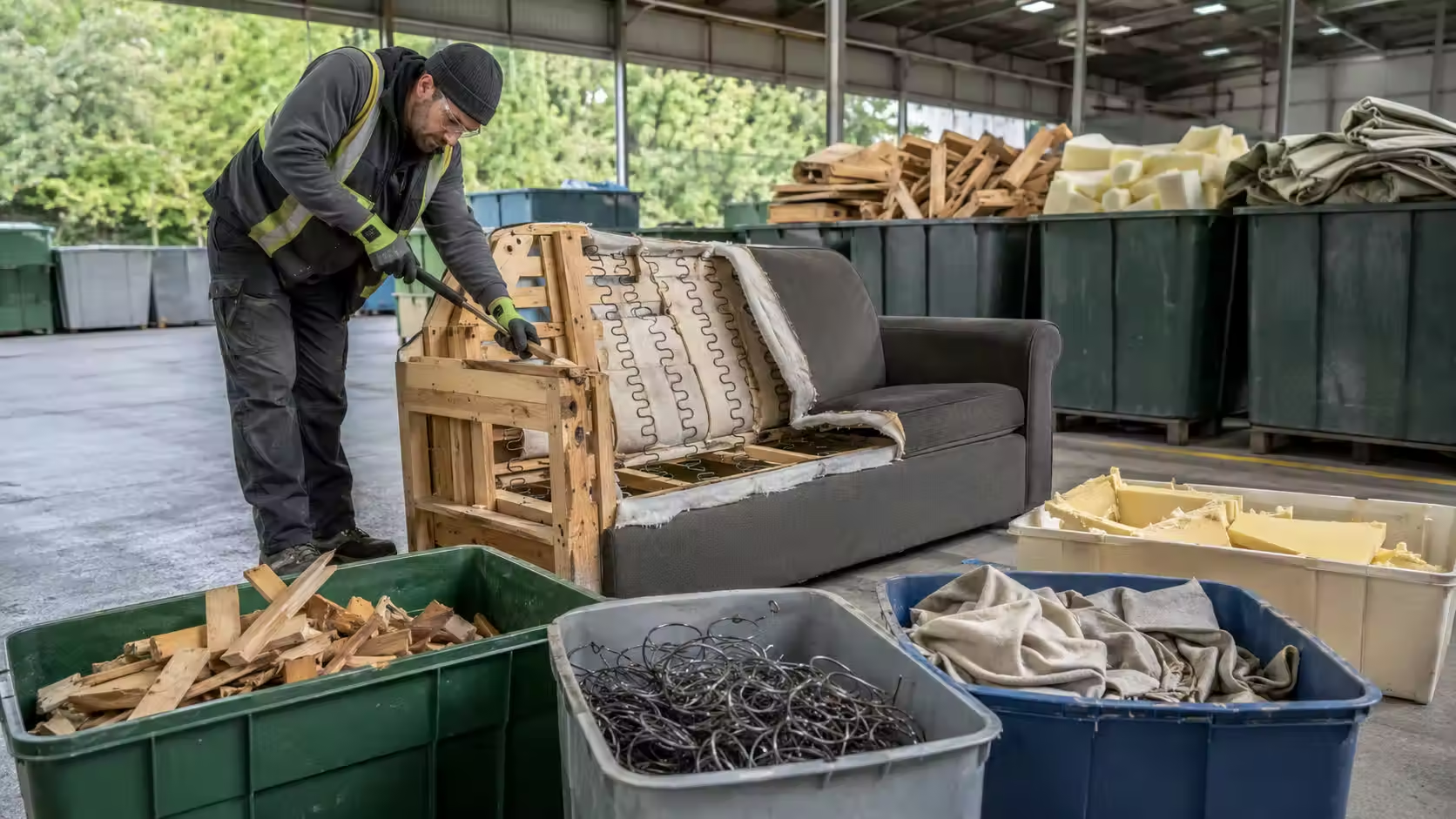
The correct destination depends on whether the furniture can be reused, recycled, or must be disposed of as garbage.
Common options include:
- A new owner: Sell or give away clean furniture that is still functional.
- A local charity or reuse organization: Confirm condition requirements and pickup availability first.
- A specialized recycling facility: Suitable for materials that can be separated and recovered.
- Vancouver South Transfer Station: Accepts oversized items and garbage from residential and commercial customers.
- Vancouver Landfill: Accepts garbage and certain recyclable materials under its current facility rules.
- A professional pickup company: Suitable for bulky furniture, multiple items, or difficult building access.
The Vancouver South Transfer Station is located at 377 West Kent Avenue North. The facility accepts oversized waste, but fees and material restrictions apply. The City recommends checking its disposal guidance before arriving. City of Vancouver facility information should be reviewed for current hours, rates, load requirements, and accepted materials.
The Vancouver Zero Waste Centre is located nearby at 8588 Yukon Street, but it does not accept every type of unwanted furniture as free recycling. Use the City’s Waste Wizard to check the specific item rather than assuming a sofa, mattress, or mixed-material cabinet qualifies.
If your cleanout also includes refrigerators, washers, or other large household equipment, follow the separate handling recommendations in this guide to appliance disposal in Vancouver.
Can You Leave Furniture at the Curb in Vancouver?
In most situations, you should not leave unwanted furniture on a sidewalk, boulevard, lane, or beside a communal garbage area unless a confirmed collection provider has specifically instructed you to place it there.
Regular municipal garbage collection is not a general bulky-furniture pickup service. A sofa placed beside a garbage cart may remain uncollected and can create accessibility, safety, and pest problems. Leaving furniture in a public place without arranging collection may also be considered illegal dumping.
The City of Vancouver advises residents to take non-reusable large items such as furniture and mattresses to an appropriate waste or recycling facility, where fees may apply. The City’s residential waste disposal guide provides current instructions for oversized items.
For condo and apartment residents, placing furniture beside the building’s dumpsters can also violate strata or property-management rules. Before scheduling removal:
- Ask whether the elevator must be reserved
- Confirm permitted moving hours
- Request loading-zone access if necessary
- Protect walls, flooring, and elevator interiors
- Avoid blocking hallways or fire exits
Only move the item to the collection area shortly before a confirmed pickup. Do not leave it unattended overnight.
How Much Does Furniture Disposal Cost?
The cost of furniture disposal in Vancouver varies depending on the size and number of items, their weight, the pickup location, and the level of work required.
Factors that may affect the final cost include:
- The volume of furniture being removed
- The number and size of items
- Stairs, elevators, and carrying distance
- Disassembly requirements
- Parking and loading accessibility
- Mattress or box spring disposal
- Same-day or urgent pickup requests
Because every removal project is different, the most accurate way to determine the cost is to request a personalized estimate. Providing photos of the furniture and details about the property’s access can help the removal team assess the job more accurately.
For current pricing and detailed information, call Rocky Junk Removal at (604) 808-0308. The team can review your furniture removal needs and provide a clear estimate based on your specific load.
How to Prepare Furniture for Removal
Good preparation makes pickup safer and reduces the risk of damage to doors, walls, and flooring.
Before the crew or recipient arrives:
- Empty the furniture. Remove clothing, papers, dishes, electronics, and personal items from drawers and cabinets.
- Check hidden spaces. Look under cushions and inside storage compartments for keys, money, documents, remotes, or medication.
- Remove detachable parts. Take out drawers, shelves, glass panels, legs, and loose cushions when safe to do so.
- Secure moving components. Close doors and tape or tie them only if the material will not damage the finish.
- Measure the exit route. Compare the furniture dimensions with doors, stairways, elevators, and tight corners.
- Clear a safe path. Move rugs, shoes, toys, plants, and other tripping hazards.
- Reserve building access. Arrange elevators, loading areas, and parking with the property manager.
- Identify special conditions. Tell the removal company about broken glass, sharp edges, mould, pests, or unusually heavy components.
- Keep children and pets away. Heavy furniture can shift suddenly during disassembly and loading.
Do not attempt to move an oversized item alone. Improper lifting can cause injury, and dragging furniture may damage floors or doorframes. If an item cannot pass through the doorway intact, ask whether the removal crew can disassemble it safely.
Why Choose Eco-Friendly Furniture Disposal?
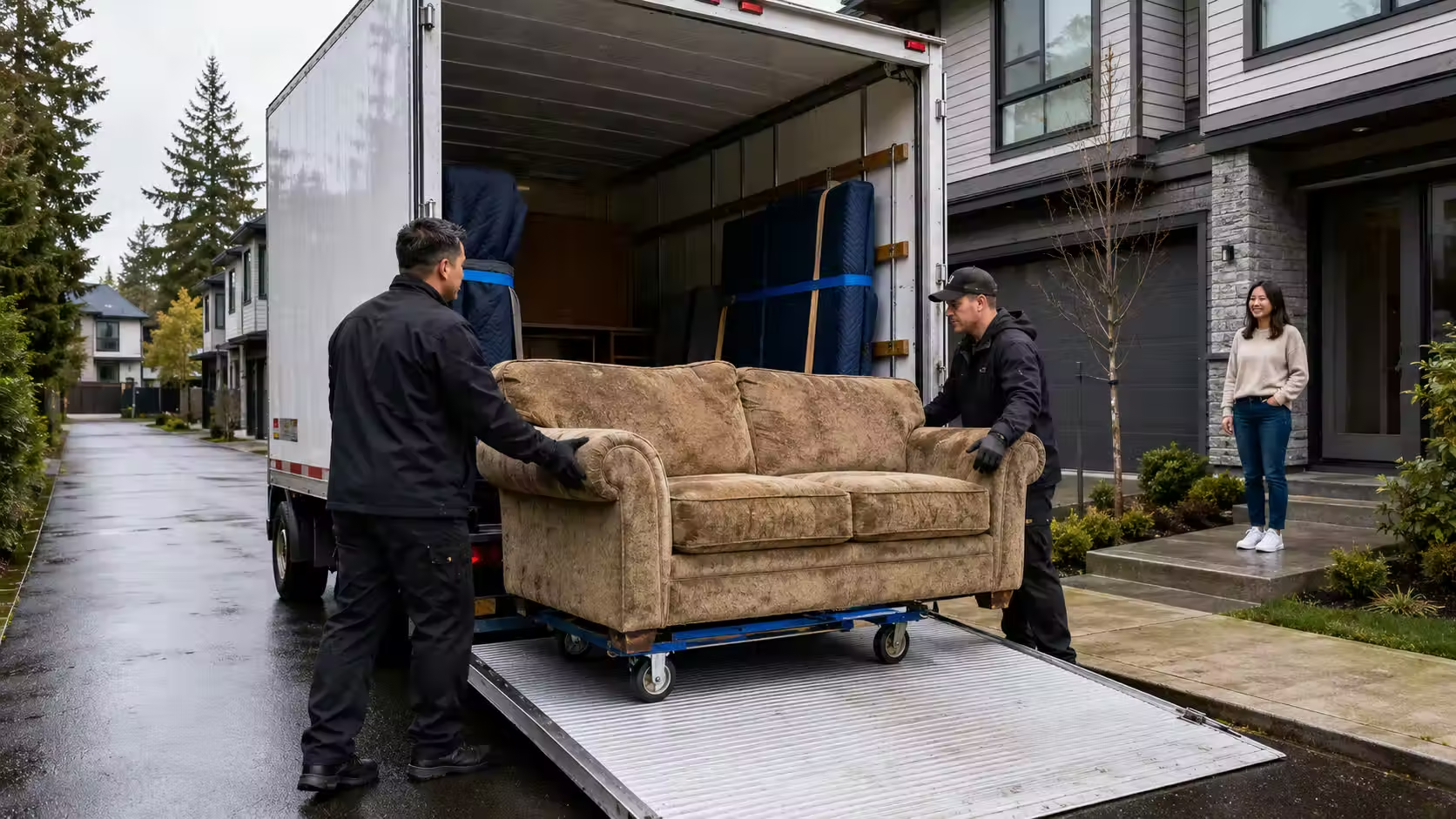
Eco-friendly furniture disposal is not simply about claiming that an item will be recycled. It requires checking its condition, separating materials where practical, and choosing the most appropriate destination.
A responsible order of priority is:
- Keep and repair
- Sell or give away
- Donate for reuse
- Recycle recoverable materials
- Dispose of what cannot be reused or recycled
This approach offers several benefits:
- Usable furniture remains in circulation longer
- Metal and wood may be recovered
- Fewer bulky items enter disposal facilities
- Local charities and households may receive useful goods
- Hazardous or contaminated items are handled more carefully
- Illegal dumping and neighbourhood clutter are reduced
Not every piece can be saved. Water-damaged cabinets, unstable furniture, heavily stained upholstery, and pest-infested items may need disposal. Honest sorting is more responsible than donating an item that creates a safety or sanitation problem for someone else.
Choose the Right Furniture Disposal Method
The best furniture disposal method depends on the item, not just how quickly you want it gone. Sell or donate clean furniture, recycle recoverable materials when a suitable facility is available, and use proper disposal for items that are no longer safe or usable.
Self-hauling can work well for a small load when you have a suitable vehicle and can move everything safely. Professional pickup is usually more practical for multiple pieces, heavy furniture, upper-floor units, and time-sensitive cleanouts.
Before making a decision, consider the complete job: lifting, building access, transportation, sorting, disposal fees, and cleanup. Choosing the right option from the beginning can save time, prevent injuries, and ensure your unwanted furniture is handled responsibly.
Furniture Disposal Vancouver FAQs
1. Who Picks Up Old Furniture in Vancouver?
Professional junk removal companies pick up old furniture from houses, apartments, condos, offices, and rental properties. Some charities may also collect reusable pieces, but pickup depends on the item’s condition, location, and current demand.
For professional removal, provide photos, the item count, your neighbourhood, and access details when requesting a quote. Mention stairs, elevators, restricted parking, or required disassembly in advance.
2. Can I Dispose of a Sofa for Free?
Possibly. If the sofa is clean, safe, and in usable condition, you may be able to sell it or offer it through a local giveaway group. A recipient willing to collect it can make removal free.
Donation pickup may also be available, but acceptance is not guaranteed. Damaged, stained, pest-infested, or heavily worn sofas usually require paid transportation and disposal. Never leave a sofa at the curb simply because an online listing did not find a recipient.
3. Can Mattresses Be Removed with Furniture?
Yes, many professional furniture removal services accept mattresses and box springs with other household furniture. Rocky lists beds, mattresses, and box springs among the items its furniture service can remove.
Tell the provider how many mattresses you have because separate recycling fees may apply. Mattresses with bed bugs, mould, or other contamination must be disclosed before pickup so the company can confirm whether it can accept them and explain the required preparation.
4. Is Same-Day Furniture Pickup Available?
Same-day furniture pickup may be available depending on crew capacity, location, load size, and disposal-facility hours. Availability is not guaranteed, particularly during weekends, month-end moves, or busy renovation periods.
For the best chance of urgent service, contact the company early, send clear photos, provide your complete pickup address, and explain all building-access restrictions. Rocky states that same-day service may be offered when scheduling allows.