Know the Rules Before You Load the Bin
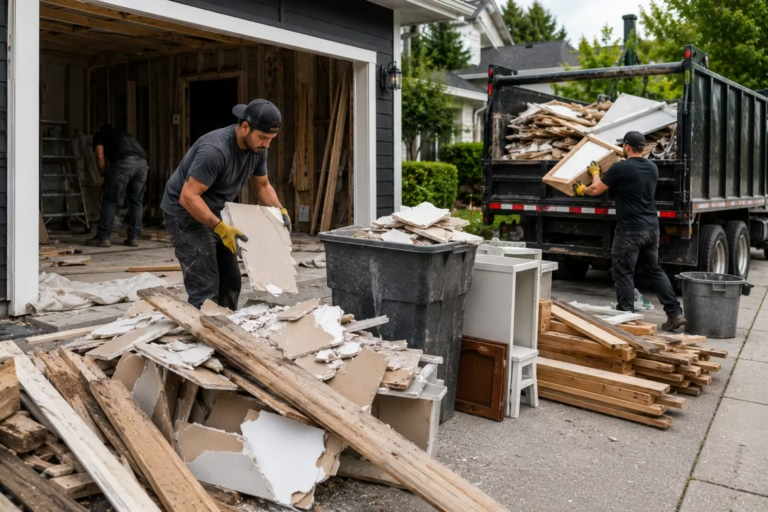
Before renting a construction bin in BC, it is important to know what can and cannot go inside. Renovation and demolition projects can produce wood, drywall, cabinets, flooring, tile, concrete, fixtures, packaging, scrap metal, and general debris. However, not every material belongs in a standard bin.
The wrong item can create safety issues, rejected loads, extra handling, disposal delays, or environmental risk. Hazardous chemicals, asbestos, flammable products, biohazards, and some regulated materials need separate handling. Older building materials may also require assessment before they are disturbed or loaded.
Rocky Junk Removal supports homeowners, contractors, property managers, and commercial clients with bin rental, construction debris removal, renovation cleanup, and junk removal across Vancouver and the Lower Mainland. This guide explains how to use a construction bin in BC correctly, what materials are usually accepted, what should stay out, and when to ask before loading.
Quick Answer: What Can Go in a Construction Bin in BC?
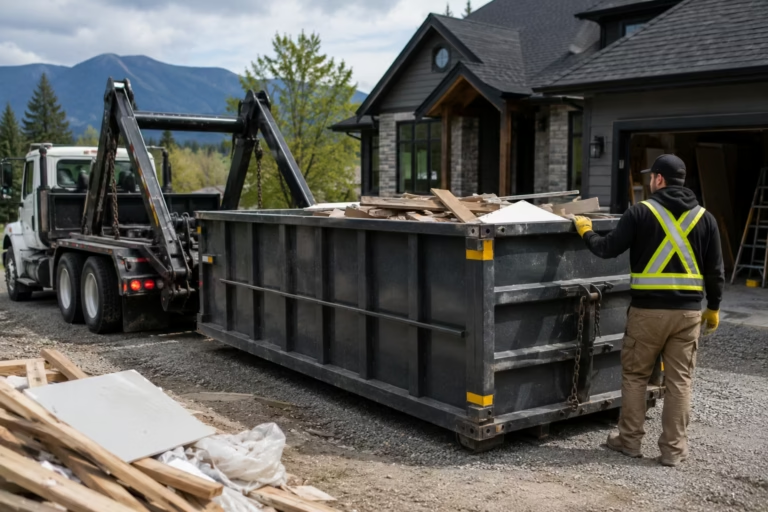
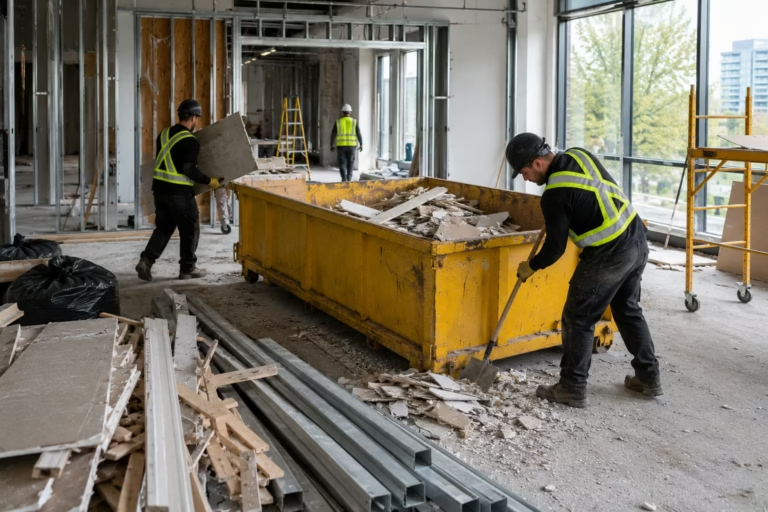
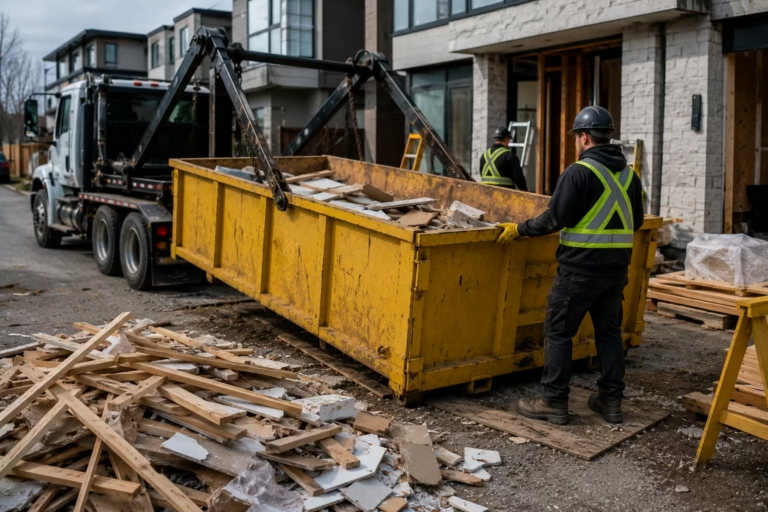
A construction bin in BC can usually take accepted non-hazardous renovation and construction debris. Common examples include clean wood, doors, trim, cabinets, some flooring, cardboard, packaging, scrap metal, non-hazardous demolition debris, and general renovation waste that has been approved by the bin provider.
Some materials may be accepted only with conditions. Drywall, concrete, tile, brick, soil, roofing, appliances, and heavy debris should be discussed before loading because they can affect weight, sorting, recycling, or disposal rules.
A construction bin in BC should not be used for hazardous chemicals, asbestos, flammable products, fuel, solvents, biohazards, pesticides, unknown liquids, medical waste, or suspect older building materials that have not been assessed. These materials require proper handling through the correct channel.
The practical rule is simple: if the material is heavy, hazardous, older, dusty, chemical, flammable, wet, contaminated, or unknown, ask before putting it in the bin.
9 Essential Rules for a Construction Bin in BC
Every project is different, but these rules help homeowners, contractors, and property managers use a construction bin in BC more safely and predictably.
1. Put accepted non-hazardous construction debris in the bin
Most standard construction bins are designed for non-hazardous renovation and construction waste. This may include wood offcuts, baseboards, doors, cabinets, trim, flooring, packaging, cardboard, small fixtures, and general job-site debris.
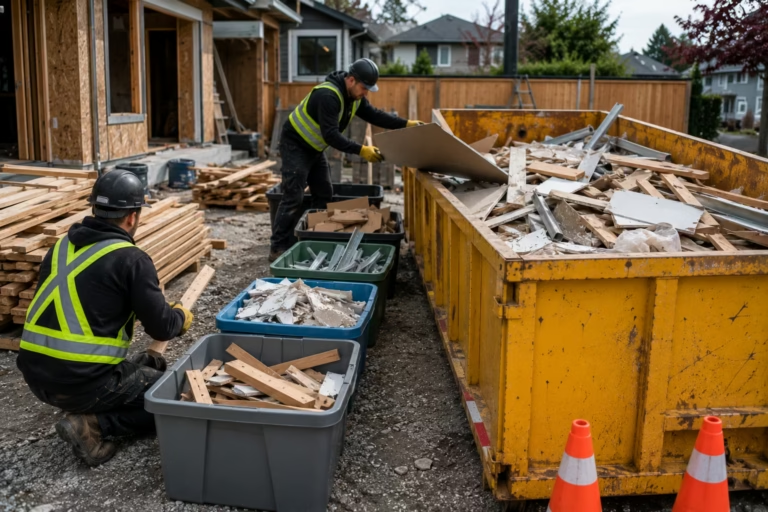
For cleaner loading, keep materials organized. Place wood with wood, metal with metal, and cardboard away from wet or dusty debris where practical. A cleaner load is easier to review and direct toward the right disposal or recycling path.
2. Ask before loading drywall or used gypsum
Drywall is one of the most misunderstood materials. New drywall cutoffs, used drywall, painted drywall, mudded drywall, and older drywall may all be handled differently. A construction bin in BC should not be loaded with drywall unless the bin provider has confirmed the correct handling path.
The City of Vancouver’s drywall disposal guidance separates new drywall from used drywall. Metro Vancouver also provides a used gypsum disposal program for residents, while noting that used gypsum from contractors and businesses is not accepted through that residential program.
3. Keep asbestos and suspect older materials out
Asbestos does not belong in a standard construction bin in BC. Older buildings can contain asbestos in drywall compound, ceiling texture, flooring, pipe wrap, insulation, adhesives, siding, and other materials. The risk cannot be confirmed by appearance alone.
WorkSafeBC’s asbestos safety information warns that anyone repairing, renovating, or demolishing older buildings in B.C. may be exposed to asbestos fibres if materials are disturbed. If asbestos may be present, arrange proper assessment and handling before demolition or bin loading.
4. Separate hazardous chemicals and flammable products
Hazardous chemicals, solvents, fuel, oil, pesticides, paint products, flammable liquids, propane cylinders, unknown containers, and similar materials should not go into a standard construction bin in BC. These products can create fire, exposure, spill, and facility risks.
Product Care Recycling provides household hazardous waste disposal information for British Columbia, including accepted and not-accepted product categories. For commercial or contractor materials, confirm the correct disposal route before handling.
5. Discuss concrete, tile, brick, stone, and soil before loading
Heavy materials can be accepted in some cases, but they require planning. Concrete, tile, brick, stone, soil, mortar, and plaster can make a bin too heavy before it looks full. A large bin is not always the right container for dense debris.
If a construction bin in BC will contain heavy material, tell the provider before delivery. A smaller bin, separate load, staged pickup, or different service plan may be safer and more cost-effective than loading dense material into a mixed bin.
6. Keep recyclables and banned materials in mind
Some materials may be recyclable, reusable, or banned from disposal as garbage at certain facilities. Scrap metal, clean cardboard, clean wood, appliances, mattresses, electronics, and stewardship items may need different handling depending on location and condition.
Metro Vancouver’s disposal ban program explains that loads are inspected for banned materials, including recyclable materials, product stewardship materials, and hazardous materials. Sorting before loading can reduce disposal problems.
7. Do not overfill the bin
A construction bin in BC should not be filled above the allowed line or loaded with material hanging over the sides. Overfilled bins may be unsafe to transport and may require unloading or adjustment before pickup.
Overfilling often happens when customers choose a bin that is too small or load bulky materials inefficiently. Long wood, drywall sheets, cabinets, and fixtures should be placed carefully so the bin remains safe to haul.
8. Keep liquids, wet waste, and contaminated material out
Standard construction bins are not designed for liquids, sludge, wet contaminated material, unknown residues, or leaking containers. These materials can create spills during transport and may not be accepted at regular disposal facilities.
If a project involves water damage, mold concerns, chemicals, contaminated soil, sewage, animal waste, or unknown substances, do not assume a standard construction bin in BC is appropriate. Ask for the correct handling process before loading.
9. Confirm rules before mixing materials
Mixed loads are common, but they should still be planned. A bin with wood, flooring, cabinets, cardboard, and general debris may be fine. A bin mixed with drywall, concrete, appliances, chemicals, and suspect older materials may create problems.
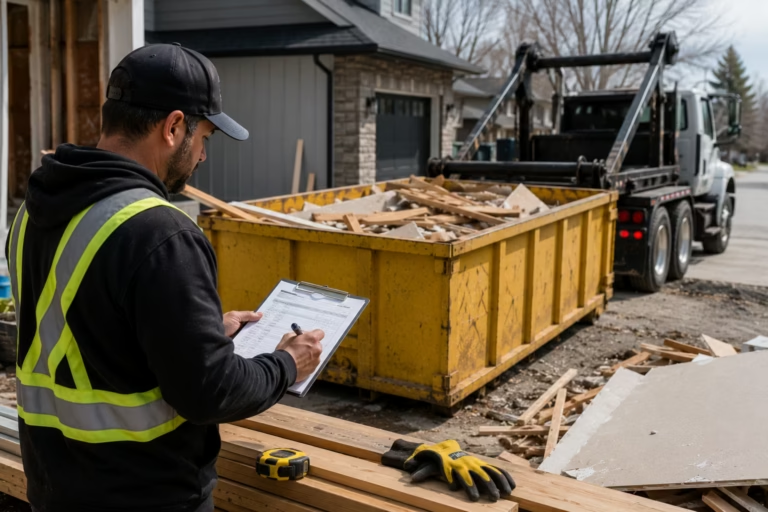
Before using a construction bin in BC, send photos and a material list. This helps the provider confirm what is accepted, what should be separated, and whether bin rental, live loading, or crew-loaded construction debris removal is the better option.
Common Items You Can Usually Put in a Construction Bin
Accepted items vary by provider and facility, but a construction bin in BC commonly handles approved non-hazardous construction and renovation debris. This may include dimensional lumber, plywood, trim, doors, cabinets, shelving, laminate flooring, carpet, underlay, cardboard, packaging, scrap metal, non-hazardous fixtures, and general cleanout debris.
Kitchen renovations may produce cabinets, counters, backsplash material, flooring, wood, packaging, and fixtures. Bathroom renovations may produce vanities, fixtures, doors, trim, and flooring. Basement renovations may produce mixed wood, shelving, old doors, flooring, and general debris.
Contractor projects may include framing offcuts, millwork scraps, packaging, doors, trim, and non-hazardous demolition material. For accepted debris from active job sites, Rocky Junk Removal provides construction debris removal services across Vancouver and the Lower Mainland.
If the item is sharp, heavy, dusty, or awkward, it may still be accepted, but the loading method matters. Keep the bin below the fill line and avoid creating unstable piles.
Items You Should Not Throw in a Construction Bin
Do not throw hazardous chemicals, asbestos, flammable products, fuel, solvents, pesticides, propane tanks, biohazards, medical waste, unknown liquids, or contaminated materials into a standard construction bin in BC. These materials require specialized disposal routes.
Do not place suspect asbestos-containing building materials in the bin. This includes older drywall compound, ceiling texture, vinyl flooring, pipe insulation, vermiculite insulation, old adhesives, siding, or other materials from older buildings unless they have been properly assessed and cleared.
Do not place unapproved drywall, used gypsum, large appliances, electronics, mattresses, or heavy materials into the bin without checking first. These materials may have separate handling requirements or better recycling options.
Rocky Junk Removal does not accept hazardous chemicals, asbestos, flammable products, or biohazard materials as part of standard bin rental or junk removal. Keeping these items out protects workers, customers, facilities, and the public.
Can Drywall Go in a Construction Bin in BC?
Drywall may be allowed only when the bin provider confirms the material type, source, condition, and disposal path. New drywall cutoffs from new construction are different from used drywall removed from a wall or ceiling.
Used drywall may include tape, mud, paint, texture, dust, fasteners, and unknown material history. Older drywall systems can also raise asbestos concerns. Because of this, do not place drywall into a construction bin in BC without confirming the rules first.
Homeowners and contractors should also understand that homeowner disposal programs may not apply to contractor or business-generated drywall. The source of the material matters.
If you have drywall, send photos and explain whether it is new, used, painted, mudded, old, or contractor-generated. That information determines whether standard bin rental is appropriate.
Can Concrete, Tile, or Soil Go in a Construction Bin?
Concrete, tile, brick, stone, soil, mortar, and plaster may be accepted only under specific conditions. These materials are heavy, and a bin can exceed hauling limits before it looks full.
If your construction bin in BC will include heavy debris, confirm limits before loading. A smaller bin may be better for dense material. In some cases, separate loading or a dedicated heavy-material plan is required.
Do not mix heavy debris with light debris without asking. A mixed load can become difficult to price, sort, and haul safely. Heavy material also affects truck capacity and disposal fees.
The safest approach is to describe the project clearly: tile removal, concrete breakup, brick disposal, soil cleanup, or bathroom demolition. The provider can then recommend the correct bin or hauling method.
Can Wood, Cabinets, and Flooring Go in the Bin?
Wood, cabinets, trim, doors, plywood, shelving, and some flooring materials are commonly accepted in a construction bin in BC when they are non-hazardous and approved. Clean wood may also have recycling or recovery options depending on facility rules.
However, not all wood is the same. Treated wood, painted wood, contaminated wood, glued products, and mixed demolition wood may follow different handling paths. If the wood is old, coated, chemically treated, or contaminated, mention that before loading.
Flooring should also be reviewed. Laminate, carpet, underlay, hardwood, tile, vinyl, and old adhesive-backed flooring can have different disposal concerns. Older flooring may require assessment if asbestos is possible.
For renovation projects, Rocky Junk Removal’s renovation debris removal service can help with accepted non-hazardous wood, flooring, cabinets, and remodeling debris when bin rental is not the best fit.
What About Appliances, Furniture, and Household Junk?
Some construction projects also include appliances, furniture, mattresses, and household junk. These items may not belong in the same bin as renovation debris without approval. Appliances and mattresses may have specific recycling or disposal paths.
If a construction bin in BC is being used during a renovation, separate old fridges, stoves, dishwashers, washers, dryers, couches, mattresses, and furniture from construction debris until the provider confirms the correct handling method.
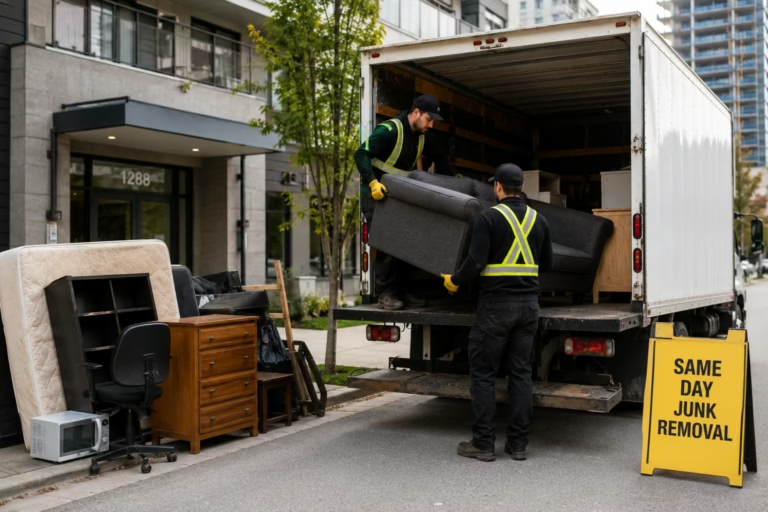
For furniture, appliances, and household items, full-service junk removal may be easier than bin rental. A crew can load bulky items and sort them toward donation, recycling, or disposal where practical.
Rocky Junk Removal provides residential junk removal and appliance removal for projects where household items need to be cleared before, during, or after renovation work.
Construction Bin Checklist Before Loading
Use this checklist before loading a construction bin in BC:
- List every major material going into the bin.
- Separate wood, metal, cardboard, drywall, heavy debris, and general junk where practical.
- Ask before loading drywall, used gypsum, tile, concrete, soil, roofing, appliances, or mattresses.
- Keep hazardous chemicals, asbestos, flammable products, fuels, solvents, and biohazards out of the bin.
- Check older building materials before disturbing drywall compound, ceiling texture, flooring, insulation, or adhesives.
- Do not load liquids, leaking containers, wet contaminated material, or unknown substances.
- Do not fill above the bin’s allowed line.
- Keep heavy material below safe loading limits.
- Take photos of the debris before booking.
- Confirm whether the quote includes delivery, pickup, disposal, rental period, and weight allowance.
- Ask whether a separate pickup is better for appliances, furniture, or commercial items.
- Confirm truck access before the bin is delivered.
Common Mistakes to Avoid With Construction Bins
The first mistake is treating the bin as an all-purpose dumping container. A construction bin in BC is not for every material. Restricted, hazardous, heavy, or special-category items must be reviewed before loading.
The second mistake is mixing drywall into a general load without asking. Drywall rules can be specific, especially when the material is used, older, painted, mudded, or contractor-generated.
The third mistake is overloading the bin with heavy debris. Concrete, tile, soil, brick, and plaster can exceed safe hauling limits quickly. A bin does not need to be visually full to be too heavy.
The fourth mistake is waiting until the bin is full to ask about questionable material. Once an item is buried, it is harder to remove or redirect. Ask before loading.
The fifth mistake is ignoring access and pickup safety. A bin placed badly or overfilled can delay pickup and create avoidable project problems.
When Bin Rental Is Not the Best Option
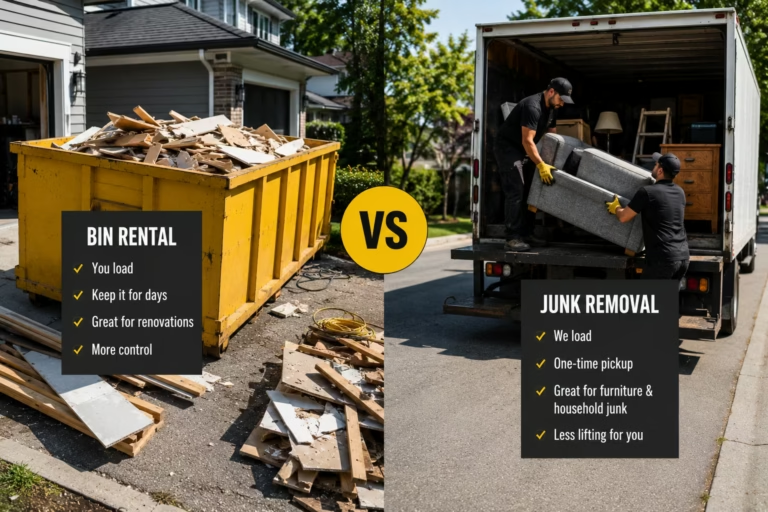
A construction bin in BC is useful when debris will build over time and the site has room for a container. However, bin rental is not always the right service.
If the debris is already staged and ready to leave, crew-loaded construction debris removal may be faster. If the property cannot keep a bin on-site, live loading may be better. If the job includes furniture, appliances, or household junk, junk removal may be more practical.
If the material is hazardous, asbestos-containing, chemically contaminated, flammable, or biohazardous, standard bin rental is not appropriate. Those materials need the correct specialized process.
The best cleanup plan matches the material, site access, project timing, and safety requirements. Rocky Junk Removal can help customers compare bin rental, construction debris removal, residential junk removal, and commercial junk removal based on the actual job.
Local BC and Lower Mainland Considerations
Rules can vary by region, facility, and waste source. A construction bin in BC should be planned with local disposal requirements in mind, especially around drywall, asbestos-risk materials, recyclables, product stewardship items, and hazardous waste.
In Metro Vancouver, disposal facilities inspect loads and maintain disposal bans for certain categories. In other B.C. regions, local transfer stations and regional districts may have their own acceptance rules, forms, appointments, or testing requirements.
For Vancouver, Burnaby, Surrey, Richmond, Delta, Langley, Abbotsford, Maple Ridge, Chilliwack, Pitt Meadows, and surrounding communities, site access also matters. Narrow lanes, strata rules, commercial loading docks, and tight driveways can affect whether a bin is practical.
You can review Rocky Junk Removal’s local coverage through the service area page before booking a bin or debris removal service.
Book a Bin With the Right Material Plan
The safest way to use a construction bin in BC is to plan the load before delivery. Send the material list, photos, project type, site access, and timing details before booking. Mention drywall, heavy debris, appliances, older building materials, or anything unknown.
Clear information helps the bin provider recommend the right size, pricing model, rental period, and disposal path. It also reduces the risk of extra handling, rejected material, or unsafe loading.
Rocky Junk Removal can support bin rental, construction debris removal, renovation debris hauling, residential junk removal, commercial cleanouts, and appliance removal across Vancouver and the Lower Mainland. To request service, send details through the Rocky Junk Removal contact page.
Construction Bin in BC: Final Takeaway
A construction bin in BC can usually handle accepted non-hazardous renovation and construction debris, including wood, cabinets, flooring, packaging, scrap metal, and general job-site waste. However, drywall, concrete, tile, soil, appliances, mattresses, and heavy debris should be discussed before loading.
Do not throw hazardous chemicals, asbestos, flammable products, biohazards, liquids, unknown substances, or suspect older building materials into a standard construction bin in BC. The right approach is simple: sort what you can, ask before loading questionable material, keep restricted items separate, and choose a bin or hauling service that matches the project.